
Ridley Scott’s Blade Runner is a landmark of science fiction cinema, combining film noir aesthetics with futuristic dystopian themes. Released in 1982 and based on Philip K. Dick’s novel Do Androids Dream of Electric Sheep?, the film explores the boundaries of humanity through the lens of artificial intelligence, corporate power, and existential identity. Despite its initially mixed reception, Blade Runner has since become a cult classic and one of the most influential science fiction films ever made.

Set in a grim, rain-soaked Los Angeles in 2019, the story follows Rick Deckard (Harrison Ford), a “blade runner” tasked with retiring rogue replicants – bioengineered beings designed to serve humans. The central plot revolves around Deckard’s pursuit of a group of fugitive replicants led by Roy Batty (Rutger Hauer), who are seeking to extend their artificially limited lifespans. The film’s narrative gradually blurs the line between human and machine, challenging viewers to consider what it truly means to be alive or possess a soul.
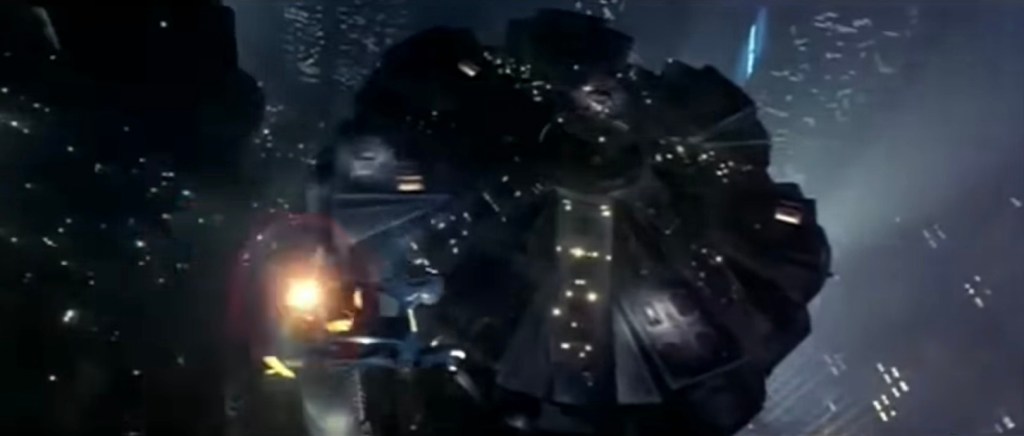
Visually, Blade Runner is a masterclass in production design and atmosphere. The cityscape, filled with towering skyscrapers, perpetual darkness, and neon glow, evokes a sense of claustrophobic decay and corporate domination. Scott’s use of light, shadow, and colour enhances the film’s noir elements, while the electronic score by Vangelis adds an emotional and ethereal tone, reinforcing the film’s philosophical themes.
One of Blade Runner’s greatest strengths is its thematic depth. It raises profound questions about identity, memory, and morality. The replicants, though artificial, often display more humanity than the humans around them. Roy Batty’s final monologue, in which he laments the loss of his memories “like tears in rain,” is a poignant meditation on mortality and the transient nature of existence. The film invites viewers to question the ethics of creating sentient beings and disposing of them when they become inconvenient or obsolete.
However, the film is not without its ambiguities and controversies. The nature of Deckard’s own humanity is left deliberately unresolved, with director Ridley Scott later asserting that Deckard is a replicant, while Harrison Ford disagreed. This ambiguity adds to the film’s enduring appeal, encouraging debate and multiple interpretations. Blade Runner also stands out for its foresight into issues such as AI ethics, corporate monopolies, climate collapse, and identity politics, topics that are even more relevant today than at the time of the film’s release.

Blade Runner is a must-watch for fans of science fiction, philosophical storytelling, and visually rich cinema. Its slow pace and abstract themes may not appeal to everyone, especially viewers expecting a conventional action movie. However, for those willing to engage with its thought-provoking narrative and atmospheric style, the film offers a deeply rewarding experience. Ultimately, Blade Runner is not just a science fiction film, it’s a reflection on what it means to be human in an increasingly artificial world. Its influence can be seen in countless films, TV shows, and books that followed, and its relevance only continues to grow. For anyone interested in cinema that challenges, intrigues, and lingers in the mind, Blade Runner is essential viewing.

 The Screen Scribe
Leave a comment