For a franchise that’s made a habit of mistaking spectacle for storytelling, Andor continues to be the quiet rebellion. Season 2 picks up with Cassian knee-deep in espionage and guilt, and concludes with the inevitable: the desperate, costly push toward open resistance. No Skywalkers. No mysticism. Just the grinding machinery of oppression — and the few who risk getting crushed trying to jam the gears.
It’s not trying to be the best Star Wars show. It’s trying to be the best show, full stop. And for the most part, it succeeds.
Andor is a show where tension builds through glances, not blasters. The most lethal weapon on screen is usually a data pad. And if there’s a joke, it’s probably unintentional — like Syril Karn’s ongoing attempt to become the Empire’s most underwhelming zealot.
It’s not that the show lacks humour. It’s just that its idea of levity is a droid having an existential crisis or Mon Mothma passive-aggressively dismantling a marriage over a cocktail. This is prestige sci-fi with a heavy lean on the “prestige.” Sometimes it forgets people might want to have fun. Sometimes, so do we.
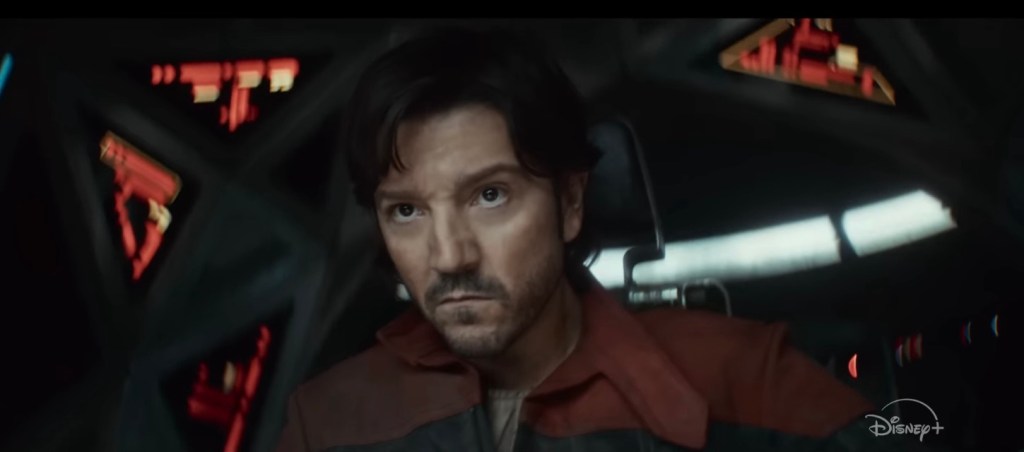
Season 2 is structured in time jumps, moving steadily toward Rogue One. Cassian is now working full-time for the cause, infiltrating supply routes, sabotaging Imperial logistics, and questioning whether the ends still justify the increasingly murky means.
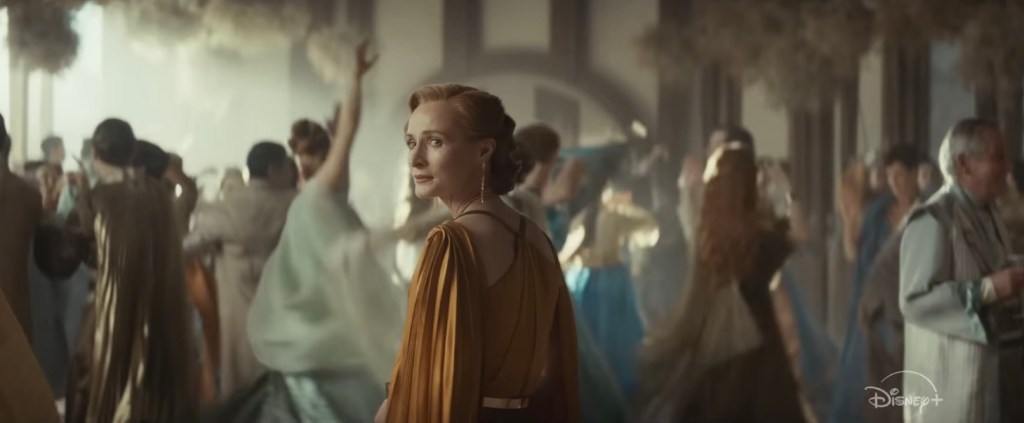
Mon Mothma, meanwhile, spends most of the season cornered — politically, financially, and emotionally. She’s laundering funds, sacrificing family, and slowly realising that revolution isn’t clean — it’s personal.
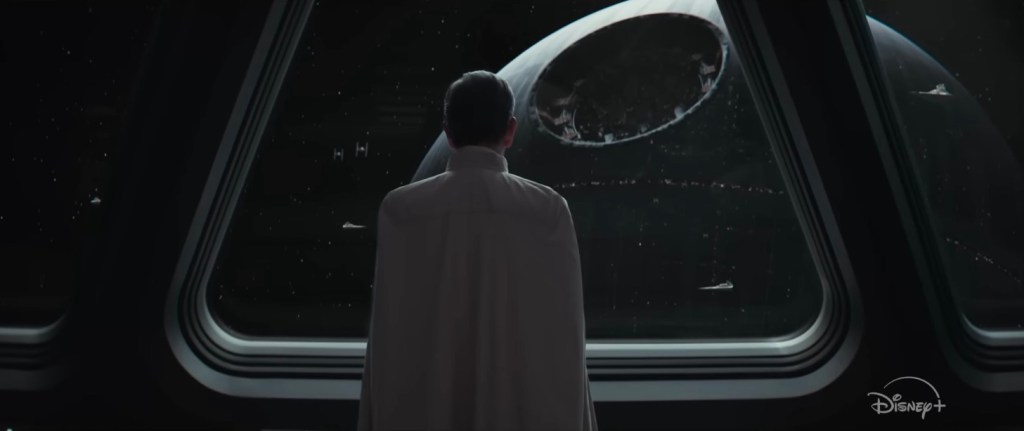
Elsewhere, Dedra Meero tries to control the rising tide of insurgency, only to find that the Empire’s biggest weakness is its arrogance. Syril stalks through the periphery, still desperate for purpose. Bix suffers in the wake of torture. And the show’s new rebel factions — each more ideologically fragmented than the last — show us just how chaotic the path to unity really is.
The fuse burns steadily. The explosion, we already know.
Andor’s refusal to cater to franchise expectations is its greatest strength — and, at times, its flaw.
Season 2’s time jumps create a sense of forward momentum but come at the cost of emotional continuity. Some character arcs, particularly Bix’s, feel undercooked despite strong setups. A few plotlines — including a rebel splinter cell introduced in the second act — don’t get the payoff they seem to promise.
And the tone, while admirably consistent, is relentlessly grim. Even Shakespeare knew when to let the gravediggers crack wise.
That said, this is still a masterclass in slow-burn storytelling.
Diego Luna plays Cassian like a man hollowed out and slowly filling back up with conviction. It’s a quiet, internal performance that anchors the chaos around him. Genevieve O’Reilly, again, elevates Mon Mothma into one of the franchise’s most nuanced characters — all brittle poise and buried rage.
Visually, the show remains unmatched. Real sets. Thoughtful compositions. A soundscape that evokes tension better than any musical cue ever could. And the writing? Sharp. Adult. Unapologetically political. Andor doesn’t just depict rebellion — it dissects it. The show’s central thesis is simple: people don’t rise because it’s noble. They rise because there’s no other choice.
Andor Season 2 delivers a conclusion as uncompromising as the world it portrays. It’s not for everyone — and it doesn’t want to be. But for those tired of space magic and destiny-driven storytelling, it offers something rare in this universe: a grounded, intelligent narrative about the price of freedom.
If you want hope, it’s here. But it’s earned. And it hurts.
4 / 5 ✨ from the Screen Scribe.
(Images courtesy of and owned by Youtube)

 The Screen Scribe
Leave a comment