There’s a fine line between bold storytelling and clumsy ambition and The Last of Us Season 2 spends a lot of time wobbling along that line. After the near-universal acclaim of its debut, expectations were understandably sky-high. But where Season 1 felt tightly crafted and emotionally precise, Season 2 lands with less sure footing. It’s brutal, yes. It’s bold, certainly. But it’s also burdened by uneven writing, awkward pacing, and a central performance that still doesn’t quite sell the character it needs us to care about.

We rejoin Ellie and Joel five years after the events of the first season, living in the relative calm of Jackson, a town that’s doing its best impression of civilization. But, as is tradition in this world, peace is fleeting. A traumatic event sends Ellie down a path of revenge, pushing her far from the safety of Jackson and deeper into both the infected-infested wilderness and her own emotional wreckage. As the season unfolds, the narrative splits its focus, introducing Abby, a new and complex player in this already loaded deck. Her presence reframes the conflict and attempts to muddy the moral waters but whether this gamble pays off will depend heavily on the viewer’s patience and willingness to shift loyalties.
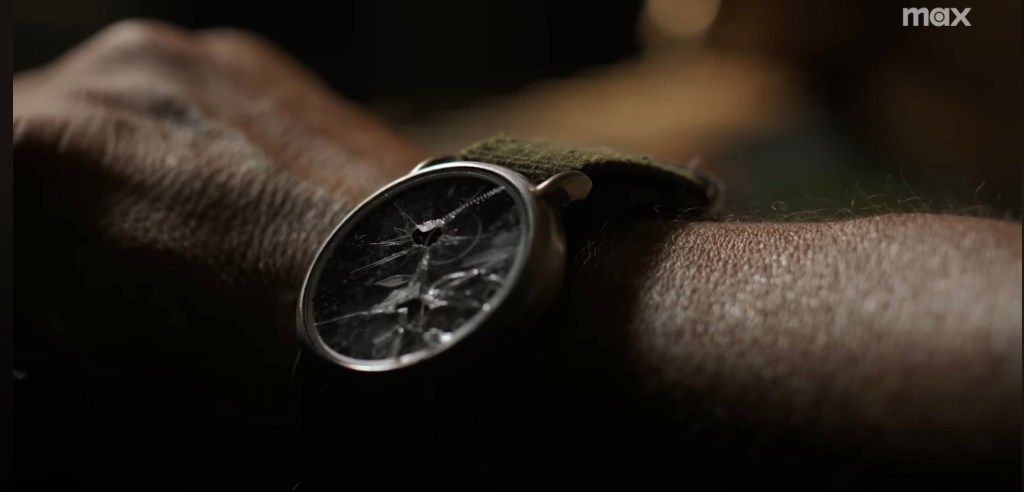
Let’s get to it: the pacing this season is a slog. Episodes often feel stretched too thin, with scenes dragging on long past their emotional expiration date. Where Season 1 moved with lean efficiency—every beat hitting with intention—Season 2 meanders. It’s not that there’s a lack of material; it’s that the structure feels oddly stitched together, like the writers knew where they wanted to end up but weren’t entirely sure how to get there. The writing itself lacks the elegance and emotional precision that defined the show’s early success. Dialogue occasionally dips into melodrama or, worse, exposition. Key emotional beats are rushed or undercooked, while others are overplayed to the point of losing their impact.
But perhaps the biggest issue, one that’s carried over from Season 1, is Ellie herself. The character has become increasingly difficult to root for, and the performance does little to offset that. There’s no denying Bella Ramsey’s commitment, but in my view, she remains miscast in the role. Ellie, at her best, should be volatile but magnetic, fierce yet vulnerable, frustrating yet deeply human. I haven’t even played the games but this is the impression I get of the character from chatting with friends who have. But regardless of the game version of the character, Ramsey’s version leans far too heavily on the former qualities and rarely delivers the nuance required to earn back the audience’s empathy. What comes through most consistently is petulance and impulsivity, not layered emotional conflict. This disconnect becomes especially problematic in a season that demands we walk with Ellie through a very dark, very personal journey. If we can’t connect with her, the emotional weight simply doesn’t land the way it should.
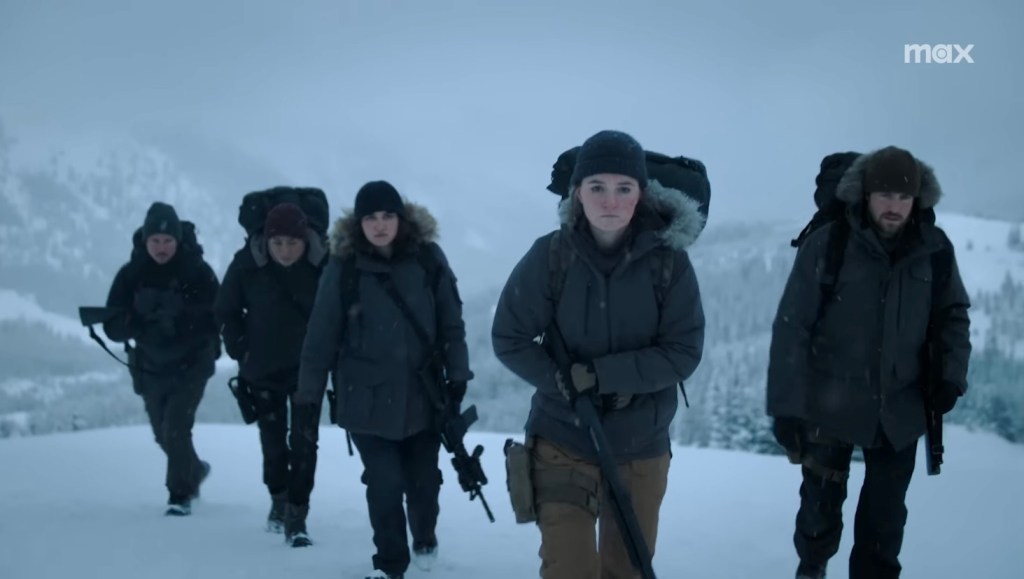
That said, not all is lost in the wasteland. Visually, the show remains top-tier. The overgrown ruins of Seattle are beautifully grim, soaked in atmosphere, danger, and decay. Every location feels thoughtfully realized, from flooded subways to abandoned stadiums. The cinematography and sound design do a lot of heavy lifting, creating a world that feels both lived-in and on the brink of collapse.
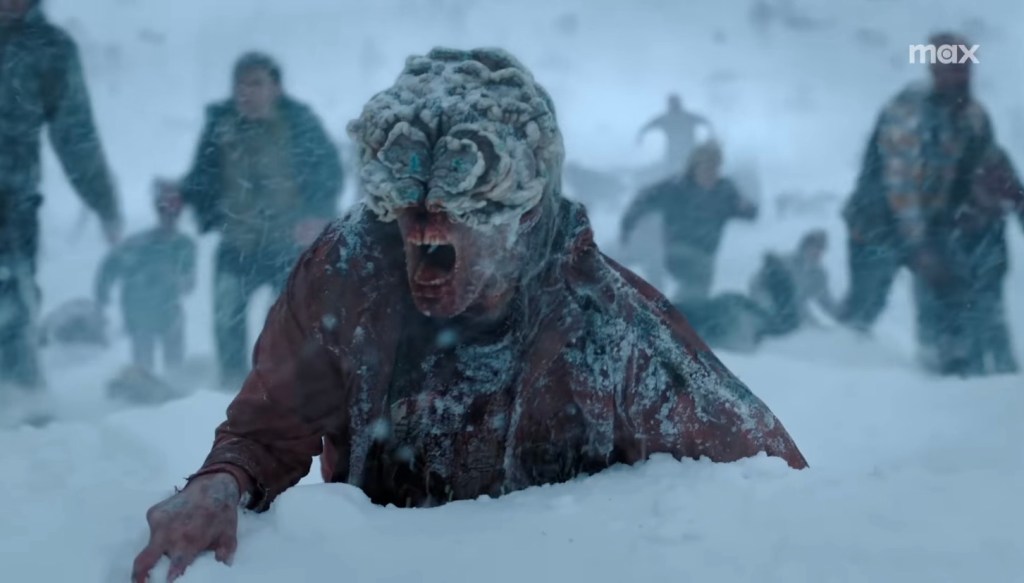
The action, too, remains as tight and terrifying as ever. When the infected show up (less often than you might expect), the sequences are gripping, messy, and filled with panic. The human-on-human violence is just as disturbing, captured with a stark intimacy that makes every swing and shot feel sickeningly real.
Kaitlyn Dever’s Abby is a much-needed injection of complexity. Her arc is more focused and, frankly, more compelling than Ellie’s this time around. Her physicality, restraint, and moments of quiet heartbreak make for a richer viewing experience, and when the show shifts to her perspective, it often finds a pulse that had been missing. It’s no small irony that the newcomer ends up being the emotional anchor and to be quite honest, she would have been a far better fit for the role of Ellie.
Season 2 of The Last of Us is an ambitious, often admirable follow-up that wants to say something profound about grief, vengeance, and the consequences of violence. But it fumbles its delivery. The pacing is off. The writing is less sharp. And the emotional centre—Ellie—feels misjudged, both on the page and in performance. For those already invested in this world, there are still moments of raw power, visual splendour, and thematic weight. But for newcomers or the cautiously curious, it may prove a harder sell. Season 1 was a triumph of adaptation. Season 2 feels more like a struggle to keep hold of the spark.
3 out of 5 clickers from the Screen Scribe. The fire’s still burning—but it’s starting to flicker.
(Images are courtesy of and owned by Youtube)

 The Screen Scribe
Leave a comment