Pirates of the Caribbean: The Curse of the Black Pearl, directed by Gore Verbinski and released in 2003, is a swashbuckling fantasy adventure that revived the pirate genre for modern audiences. Inspired by the Disney theme park ride of the same name, the film blends action, comedy, supernatural elements, and romance into a high-energy cinematic experience. With standout performances, most notably Johnny Depp’s Captain Jack Sparrow, it became an unexpected box office hit and launched a successful franchise.
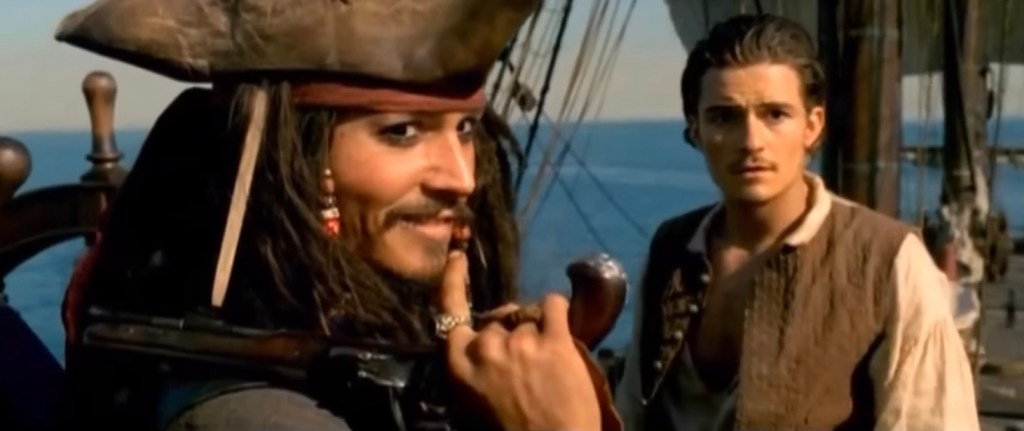
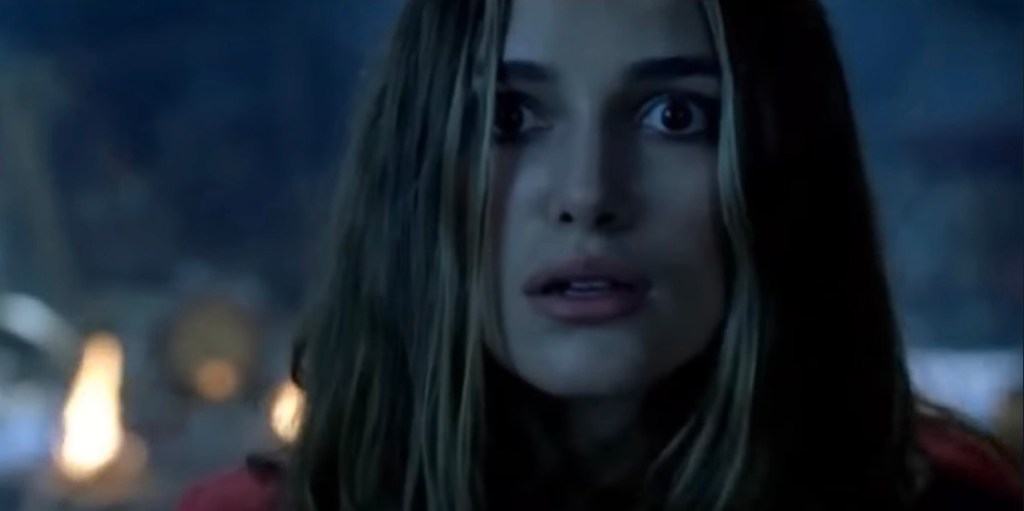
Set in the Caribbean during the 18th century, the story centres on Elizabeth Swann (Keira Knightley), the daughter of a British governor, who is kidnapped by the cursed crew of the Black Pearl, led by the fearsome Captain Barbossa (Geoffrey Rush). The crew is afflicted by a supernatural curse that renders them undead in moonlight, a punishment for stealing Aztec gold. Blacksmith Will Turner (Orlando Bloom), in love with Elizabeth and unaware of his secret pirate heritage, teams up with the eccentric and unpredictable Captain Jack Sparrow to rescue her and stop the cursed pirates.
The film’s greatest asset is its tone, light-hearted yet thrilling, humorous yet dramatic. It balances these elements with surprising finesse, never taking itself too seriously while still delivering moments of genuine tension and emotional depth. The screenplay, written by Ted Elliott and Terry Rossio, is clever and fast-paced, filled with witty dialogue and memorable lines that contribute to the film’s enduring popularity.
Johnny Depp’s portrayal of Captain Jack Sparrow is arguably the film’s defining feature. Depp subverts traditional hero expectations by creating a character who is both absurd and charismatic, stumbling through conflict with drunken bravado and unpredictable cunning. His performance earned an Academy Award nomination and redefined the modern cinematic pirate. Captain Jack Sparrow is neither a villain nor a straightforward hero—he’s a morally ambiguous trickster whose self-interest often aligns with doing the right thing, albeit unintentionally.
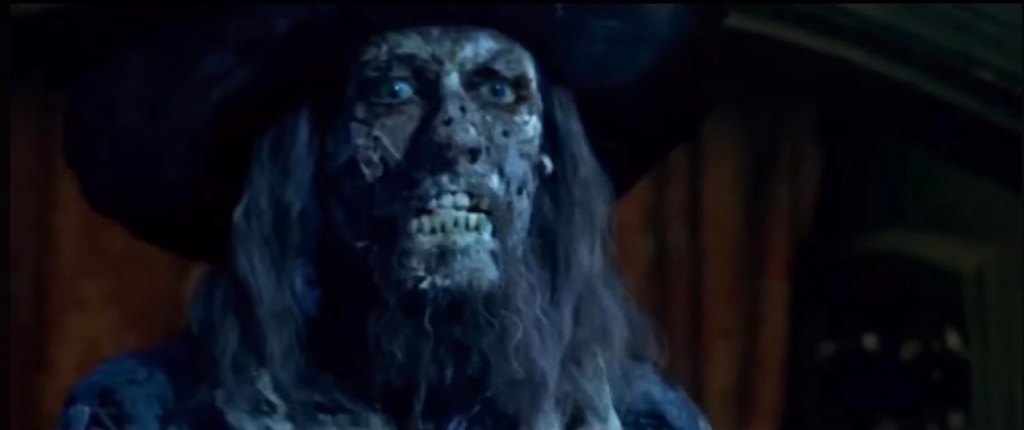
Geoffrey Rush’s Barbossa provides a perfect counterbalance. Menacing, theatrical, and obsessed with lifting the curse, Barbossa is both a villain and a tragic figure, haunted by greed and regret. The dynamic between Barbossa and Sparrow adds complexity to the conflict, as both characters manipulate those around them while pursuing their own agendas.
Visually, the film is stunning. From moonlit sea battles to cursed skeletal pirates revealed in eerie light, the special effects (which were cutting-edge for the time) still hold up today. Klaus Badelt’s iconic musical score, especially the main theme, gives the film an unforgettable auditory identity, elevating every sword fight and chase with swells of orchestral energy.
The Curse of the Black Pearl is a highly entertaining film that appeals to a wide range of audiences. With its mix of adventure, comedy, romance, and supernatural intrigue, it’s a fun, fast-paced story that rewards repeat viewings. Whether you’re a fan of action, fantasy, or character-driven storytelling, this film offers a satisfying and memorable experience. Above all, it redefined what a pirate movie could be in the 21st century: witty, thrilling, and deeply enjoyable. It’s a must-watch for anyone who loves imaginative, well-crafted entertainment. Savvy?
(Images courtesy of and owned by Youtube)

 The Screen Scribe
Leave a comment