
Remember when every studio exec seemed convinced the future of cinema was a web of interconnected franchises, each movie a thread in a glorious tapestry of IP synergy? Those were the days. Not necessarily good days, but certainly loud, shiny, and full of hope—at least in boardrooms. The shared cinematic universe, once Hollywood’s golden goose, is now limping around the henhouse, feathers missing and looking vaguely embarrassed. And at the centre of this boom-and-bust saga? Marvel Studios, the architect, pioneer, and possibly the final casualty of its own invention.
Let’s rewind.
The Marvel Cinematic Universe (MCU) wasn’t born with a bang, but with a risk. Iron Man (2008) had no guarantee of success. Tony Stark was a B-lister outside the comic book faithful, and Robert Downey Jr. was more cautionary tale than comeback king. But then came that now-mythic post-credits scene: Nick Fury stepping out of the shadows to mutter something about “The Avengers Initiative.”
And with that, the game changed.
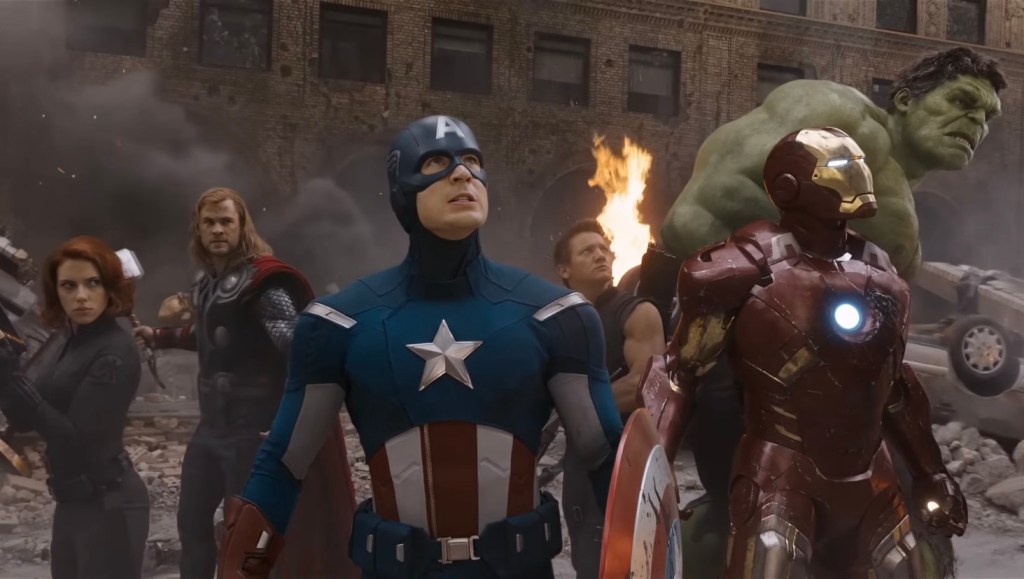
It’s easy to forget now just how revolutionary that moment was. Films had flirted with continuity before—Universal Monsters had dabbled, and Star Wars certainly had its trilogy structure—but this was something else entirely. Separate heroes, separate storylines, crossing over organically into one grand narrative. It wasn’t just clever. It was intoxicating. Marvel’s Phase One delivered the goods: Iron Man and Iron Man 2, Thor, Captain America, The Incredible Hulk (yes, even that one), all leading to The Avengers in 2012, a cinematic crossover so seamless and celebratory it made everyone else in Hollywood immediately lose their minds.
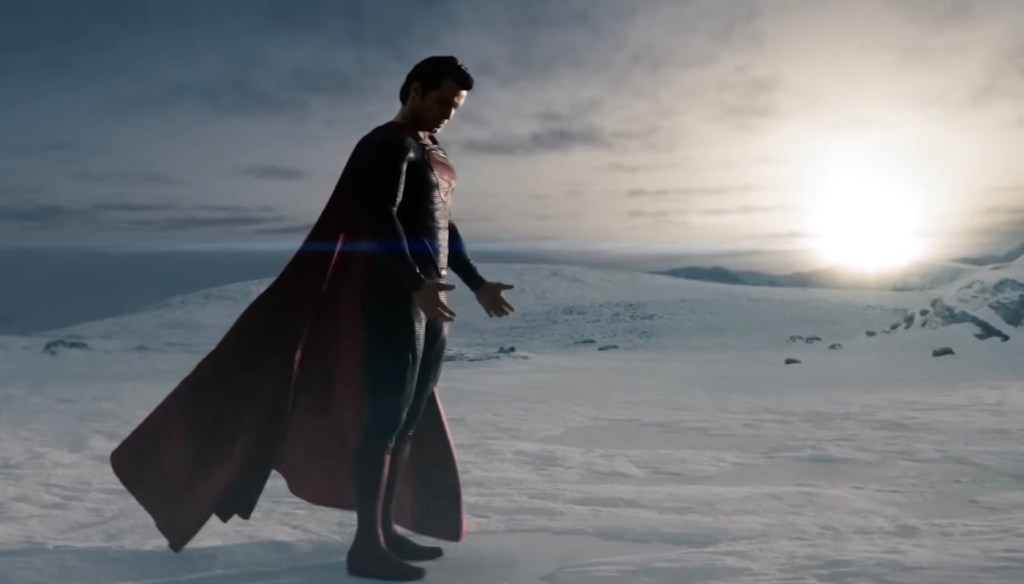
With The Avengers breaking box office records and audience expectations, every studio scrambled to find its own universe. Warner Bros. tried to fast-track a DC equivalent, starting with Man of Steel and rushing headlong into Batman v Superman. Universal dusted off The Mummy for a doomed “Dark Universe.” Even Sony, not content with just one Spider-Man, plotted entire spin-offs about Aunt May and obscure rogues gallery members with five lines of dialogue between them. But the MCU’s secret sauce wasn’t just IP. It was patience. Marvel took its time introducing characters, building arcs, letting the audience invest. Other studios wanted Avengers-level success without doing the homework.
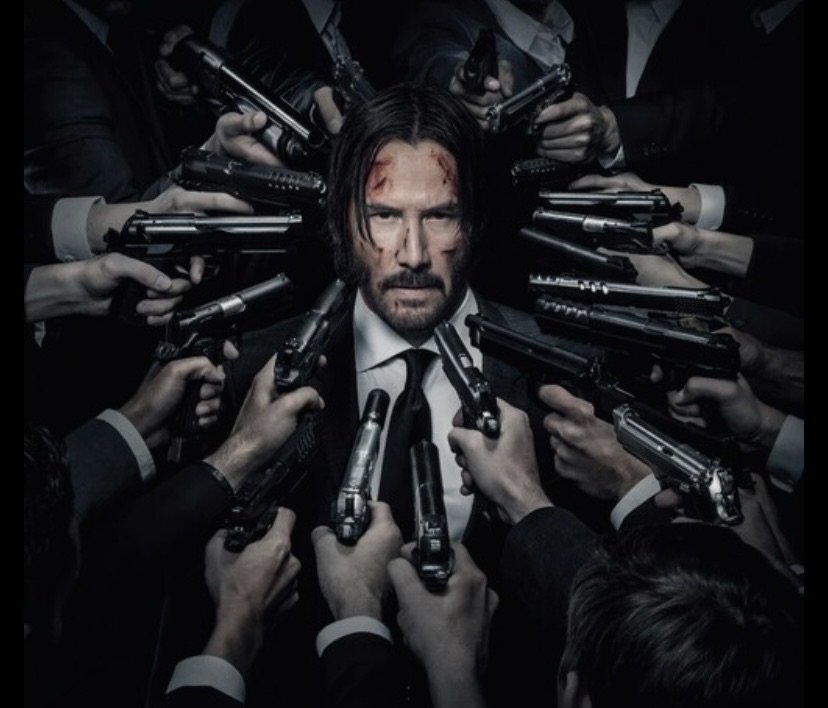
The result? A string of half-baked “cinematic universes” that fizzled faster than a wet sparkler. For every interconnected success (like John Wick’s slow-burn worldbuilding), there were three or four “first chapters” that turned out to be the only chapter (The Mummy, King Arthur: Legend of the Sword, Dracula Untold, etc.). Marvel, meanwhile, just kept climbing. Phase Two and Three refined the formula, culminating in the absurd yet glorious one-two punch of Infinity War and Endgame. It was a decade-long experiment that actually paid off: fans emotionally invested, critics mostly onboard, and the cultural conversation laser-focused on what came next.
At its height, the MCU wasn’t just a movie brand—it was an event schedule. A semi-annual pilgrimage to the multiplex. You didn’t miss a Marvel movie, not because they were all great (they weren’t), but because skipping one meant missing context for the next. It was brilliant. It was exhausting. And inevitably, it became unsustainable. After Endgame, Marvel entered what we’ll politely call its “spreadsheet era.” With the original Avengers retired, dead, or de-powered, new characters flooded in—Shang-Chi, Eternals, Moon Knight, Ms. Marvel, She-Hulk, et al. The movies multiplied. The Disney+ shows exploded. Suddenly, keeping up with the MCU felt less like entertainment and more like homework. Even diehards began asking: “Do I really need to watch six episodes of Secret Invasion to understand The Marvels?” The answer, increasingly, was “No, but they’ll pretend you do.”
The law of diminishing returns kicked in hard. Box office numbers softened. Critical consensus wobbled. And once-sacred names like “Kevin Feige” were being questioned, if not outright roasted. The shared universe model, once organic and inspired, had become a spreadsheet-driven behemoth. Each story was no longer a story, it was a puzzle piece, and not even a fun puzzle. One of those 5,000-piece grey-mountain ones that makes you question your life choices halfway through. It’s telling that the most successful post-Endgame Marvel entries, Spider-Man: No Way Home and Guardians of the Galaxy Vol. 3, succeeded by being more self-contained, more emotionally grounded, and less burdened by worldbuilding.
Which brings us to the present. The MCU isn’t dead, but it’s definitely bruised. Projects are being delayed or quietly cancelled. Star power doesn’t guarantee ticket sales anymore and the once-envied model of the interconnected universe is now a cautionary tale in overextension. Will Marvel bounce back? Maybe. Never underestimate the brand’s ability to course-correct, X-Men ’97 and Deadpool & Wolverine suggest the embers still burn. But even if they do recover, the era of the shared cinematic universe as a dominant storytelling mode feels over.
And maybe that’s a good thing.
There’s something to be said for a film that’s just a film. No homework. No Easter eggs. Just a good story, told well. In chasing the dragon of endless interconnectivity, Hollywood forgot that the best universes start small—not with a roadmap, but with a spark. Iron Man wasn’t trying to launch a universe. It was trying to tell a great story.
Maybe it’s time to do that again.

 The Screen Scribe
Leave a comment