Top Gun: Maverick, directed by Joseph Kosinski and released in 2022, is a rare sequel that not only lives up to its predecessor but arguably surpasses it in emotional depth, storytelling, and technical achievement. Coming 36 years after Tony Scott’s Top Gun (1986), the film reintroduces audiences to Pete “Maverick” Mitchell (Tom Cruise) while embracing themes of legacy, redemption, and change in a modern military landscape. It balances high-octane aerial action with grounded human drama, offering both nostalgia and fresh relevance.
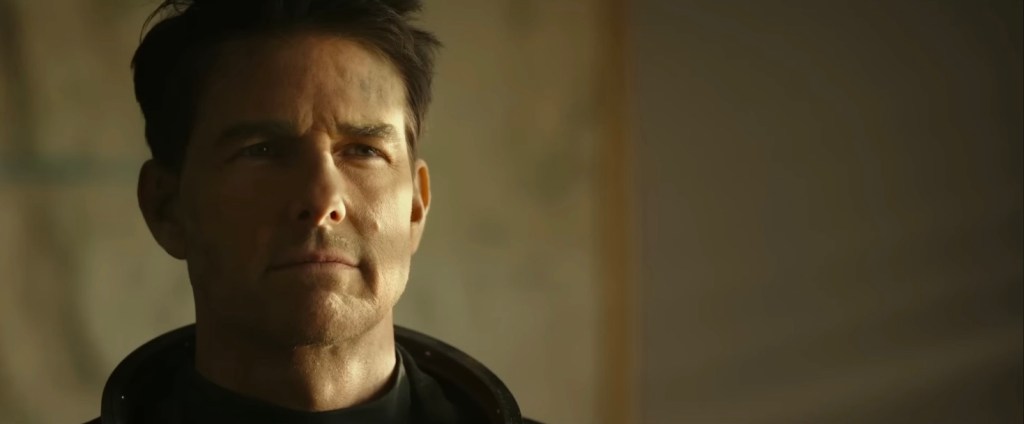
The story picks up decades after the original film, with Maverick still a captain in the Navy, having deliberately avoided promotion to stay close to the cockpit. He’s called back to the Navy’s elite Top Gun program, not as a pilot, but as an instructor. His mission: train a new generation of the best fighter pilots to carry out a nearly impossible combat mission. Among the recruits is Bradley “Rooster” Bradshaw (Miles Teller), the son of Maverick’s late best friend and radar intercept officer, Goose. Their strained relationship forms the emotional core of the film, as Maverick wrestles with the past, guilt, and the burden of making life-and-death decisions for the next generation.
The film’s greatest achievement lies in its ability to blend breathtaking, realistic aerial sequences with character-driven storytelling. Tom Cruise, known for his commitment to practical effects, insisted on real flight training for the cast, and it shows. The aerial cinematography is immersive, visceral, and exhilarating. Viewers can feel the g-forces, the danger, and the skill required in every manoeuvre. These sequences avoid CGI overload and instead ground the action in real-world physics and intensity, giving the film a sense of authenticity and urgency.
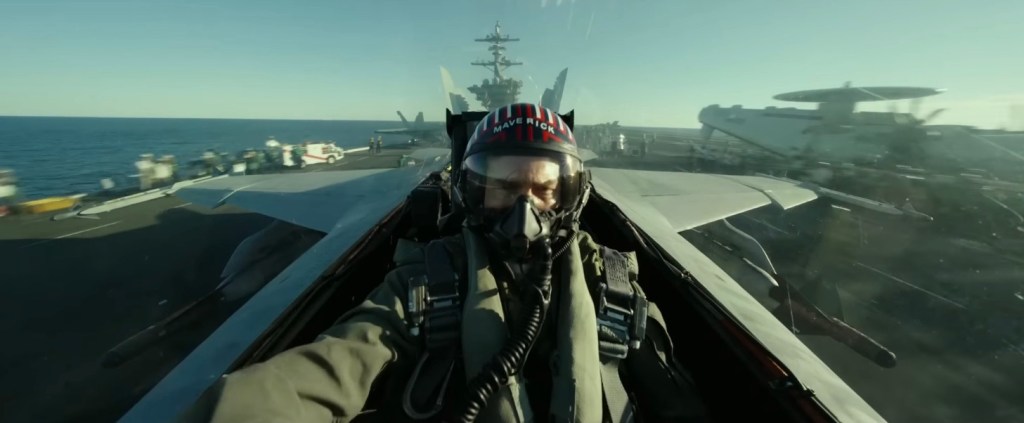
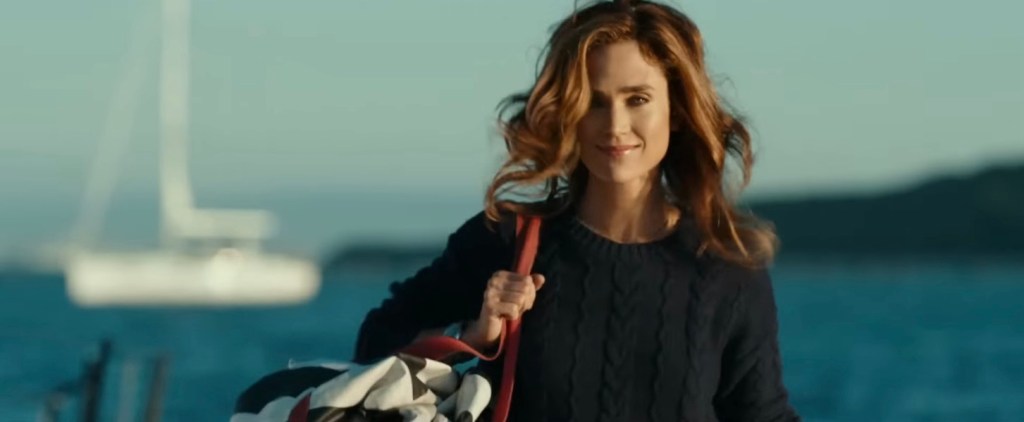
Beyond the technical spectacle, Top Gun: Maverick shines in its exploration of aging, relevance, and mentorship. Maverick is no longer the hot-headed rule-breaker of the original film. He’s older, battle-hardened, and reflective, yet still willing to defy orders for the sake of doing what’s right. Cruise’s performance adds new layers to the character, showing vulnerability beneath the confidence. The supporting cast, particularly Miles Teller, Glen Powell, and Jennifer Connelly, bring charisma and emotional nuance, creating a strong ensemble that complements Cruise’s central performance.
The film also benefits from its pacing and structure. It builds tension steadily, culminating in a final mission that is both narratively satisfying and cinematically thrilling. The score, composed by Lorne Balfe with contributions from Harold Faltermeyer, Hans Zimmer, and Lady Gaga, blends modern and classic sounds, reinforcing the film’s themes of bridging past and present.
Top Gun: Maverick is more than just a sequel, it’s a film that respects its roots while boldly forging its own identity. It’s a must-watch for fans of action, aviation, and character-driven drama. Whether or not you’ve seen the original, the film stands on its own as a thrilling, emotionally resonant experience. With stunning visuals, authentic performances, and a powerful emotional core, Top Gun: Maverick is one of the finest action films of the decade, a soaring tribute to legacy, courage, and the enduring human spirit.
(Images courtesy of and owned by Youtube)

 The Screen Scribe
Leave a comment