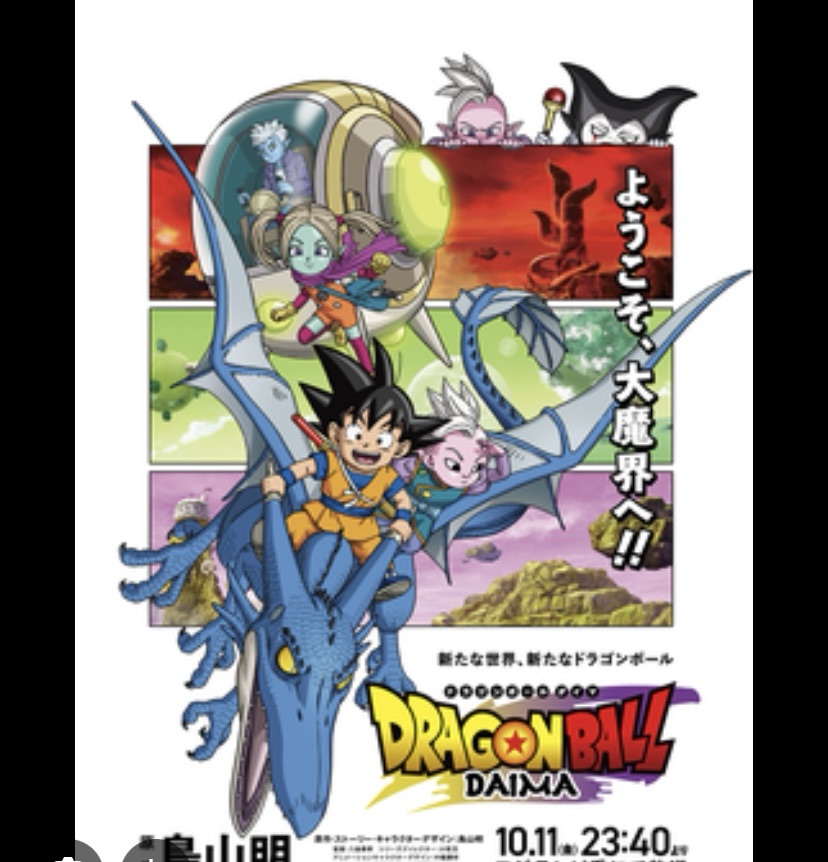
After an energetic start and a wildly inventive midseason, Dragon Ball Daima stumbles a little on the home stretch. The final arc, spanning episodes 13 through 20, attempts to blend old-school zaniness with high-stakes drama, but in trying to serve both gods, it occasionally satisfies neither. While there’s plenty here for franchise devotees, more transformations, more Demon Realm antics, and a big bad with a flair for monologuing, the show’s tonal inconsistency and undercooked payoffs leave this final arc feeling more like a flashy encore than a true climax.
With the gang now fully entrenched in the Demon Realm, the last eight episodes see Goku, Panzy, and their pint-sized pals journey deeper into enemy territory. Their goal? Confront Supreme Demon King Gomah, put an end to his twisted crusade, and find a way to restore their adult forms. Along the way, they’ll face possessed warriors, ancient curses, and yet another band of eccentric villains, this time, the Gendarmerie Force, a spiritual successor to the Ginyu squad in both colour and camp. As expected, things escalate quickly. The battles get bigger. The power-ups get louder. And the stakes? Supposedly cosmic. But whether it all sticks the landing is another matter entirely.

Let’s get this out of the way: Daima’s sense of momentum falters down the stretch. While Episodes 13 and 14 keep things moving with a mix of humour and lore-building, subsequent entries often lose themselves in excessive setup. Episode 15, in particular, takes a detour into character introspection that might’ve worked earlier in the series but here feels like a last-minute stall. When your show’s barrelling toward a final battle with a demon emperor, you’d hope it wouldn’t pause to explain the mechanics of a magical collar.
One of Daima’s defining traits has been its eagerness to throw fresh concepts at the wall: the bug crystals, the Third Demon World, the cursed transformations. But in its final act, the series buckles under its own weight. Gomah’s final form, enhanced by the “Evil Third Eye,” is a visually interesting upgrade but lacks narrative heft. His motivations, already murky, remain vague right up to his last breath.
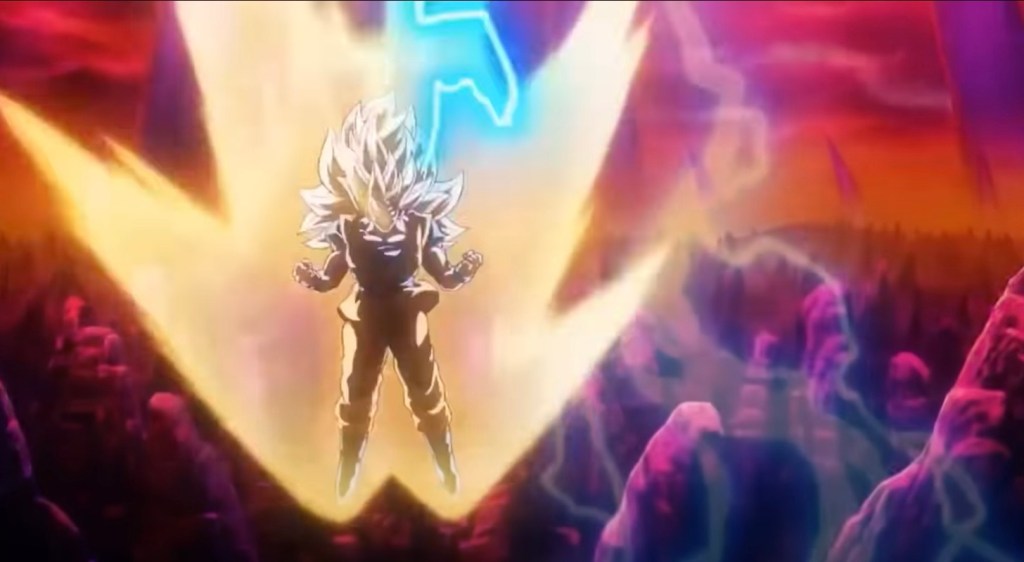
More frustratingly, key players are left adrift. Piccolo is all but benched. Panzy, who started the show strong, is reduced to comic relief. And while she gets a few good moments, it’s clear the writers didn’t quite know what to do with her, or Bulma, once the action ramped up. Even the long-teased Super Saiyan 4 transformation, when it finally drops, feels like a checkbox ticked more than a character beat earned. And i’m not quite sold on the new Suer Saiyan 4 design either.
One minute we’re watching Goku crack jokes about lunchboxes, the next we’re knee-deep in Demon Realm destruction and prophecies of doom. The tonal whiplash isn’t new to Dragon Ball, but Daima pushes it to an uncomfortable extreme. Episodes 16 and 17 swing wildly from slapstick to melodrama without much connective tissue. It’s not that the show can’t be silly, it’s that it never decides how silly, or when to pull the trigger on serious stakes.
Toei’s animators continue to earn their pay. Even when the storytelling lags, the visuals sing. The final clash between Goku and Gomah is a feast of rapid-fire choreography, dazzling energy blasts, and creative staging. Goku’s new form, while narratively flimsy, is (despite my reservations on design) a visual animated treat, with glowing fur textures and red-eyed menace that recall GT’s better moments. Episode 19’s sky battle might just be the season’s finest in terms of spectacle.
The music continues to punch well above its weight. Whether underscoring dramatic beats or comedic detours, the score threads emotional tone far more effectively than the writing does. The final battle themes in particular hit the right notes of desperation and triumph, elevating even the flattest scenes.
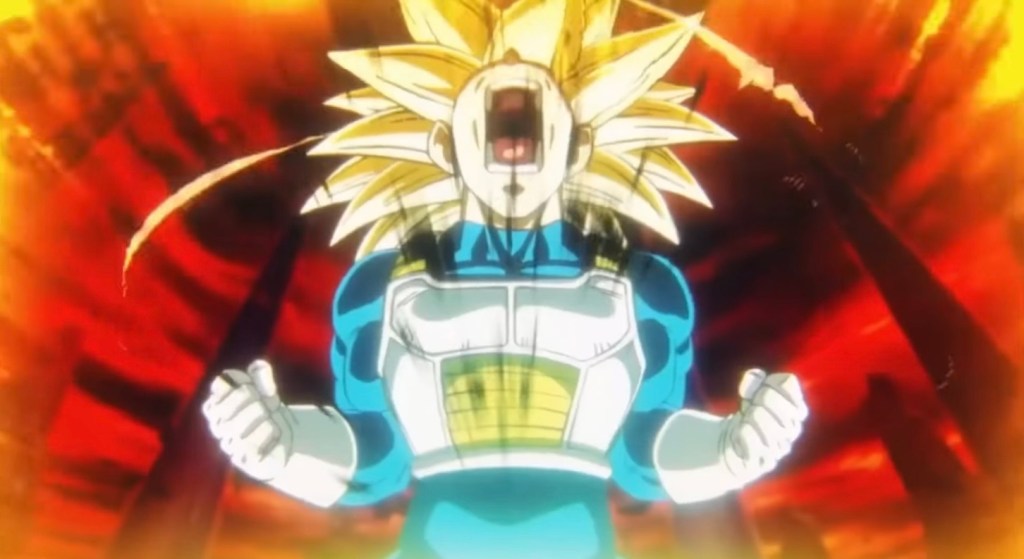
Easily one of the arc’s biggest crowd-pleasers is Vegeta’s long-awaited transformation into Super Saiyan 3, in his adult body, no less. After a season spent mostly frowning from the sidelines, Vegeta gets a proper spotlight, and it’s glorious. His SSJ3 debut isn’t just fan service—it’s executed with raw grit and fury, reminding everyone why he’s still one of the best-written characters in the franchise. It’s a rare moment where the show gives its secondary lead both the power-up and the emotional payoff he deserves. More of this, please.
There’s undeniable joy in seeing the show revisit ideas from earlier Dragon Ball eras. The Gendarmerie Force, goofy as they are, channel the chaotic fun of DBZ’s side villains without overstaying their welcome. And callbacks to Goku’s childhood, his tail, his mischief, his boundless energy, add a layer of warmth that’s hard to resist. At its best, Daima feels like a playful love letter to Dragon Ball’s long, weird history.
Dragon Ball Daima Episodes 13–20 are a colourful, chaotic send-off to a series that’s always been more about vibes than plot. The finale arc delivers some stellar visuals, a few solid laughs, and one heck of a final fight, but it also exposes the show’s weak bones. The pacing stutters, the character arcs fray, and the emotional payoff never quite arrives. Still, for fans of the franchise, there’s enough here to warrant the ride. Just don’t expect every thread to tie up neatly, or every transformation to mean something.
3 / 5 ✨from the Screen Scribe.
(Images are courtesy of and owned by Youtube)

 The Screen Scribe
Leave a comment