
There was a time when action movies weren’t just about superheroes saving the world or billion-dollar CGI spectacles. They were about two people, usually men, forced to work together despite hating each other’s guts, dodging bullets, hurling insults, and learning a little something about friendship along the way. Welcome to the golden age of the 90s action buddy comedy, a cinematic era so potent we’re still trying (and mostly failing) to replicate its magic today.
Take Bad Boys (1995), for example. Michael Bay’s directorial debut wasn’t just a high-octane Miami cop flick. It was the distillation of everything the genre promised: two charismatic leads, explosive set pieces, comedic banter, and a paper-thin plot that exists purely to get from gunfight A to car chase B as stylishly as possible. Will Smith and Martin Lawrence weren’t just actors playing detectives; they were avatars for the audience’s collective craving for swagger, comedy, and chaos.
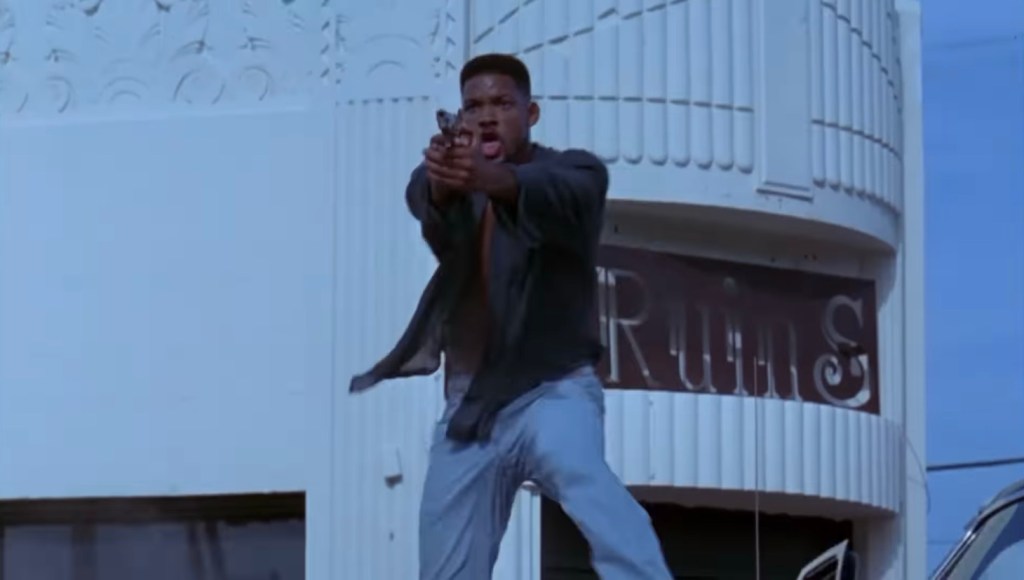
But Bad Boys was far from alone. The 90s action buddy comedy was a genre unto itself, delivering hit after hit with a simple formula: take two stars with different comedic or dramatic energies, give them a dangerous mission, let them bicker like an old married couple, and surround them with explosions and cheesy synth guitar riffs. Rush Hour, Lethal Weapon 3 & 4, Men in Black, Tango & Cash, the list goes on.
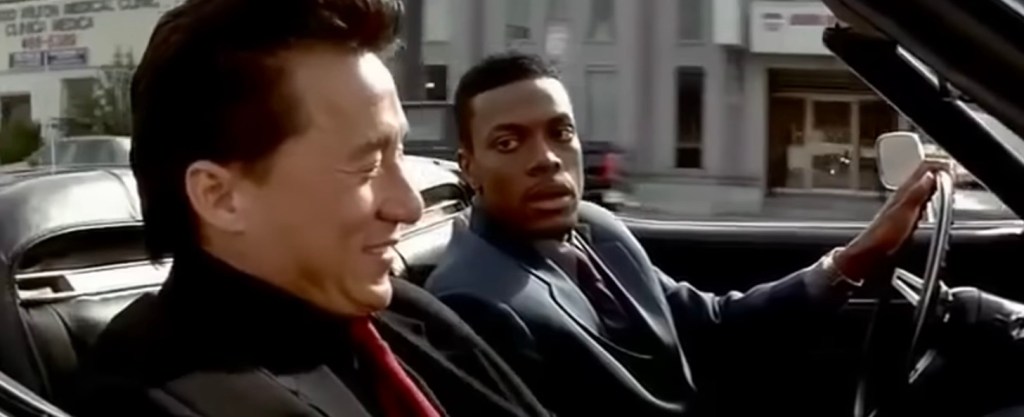
Why did it work so well? Firstly, casting. These films were built on chemistry. Will Smith’s laid-back cool played off Martin Lawrence’s anxious energy. Jackie Chan’s martial arts brilliance balanced Chris Tucker’s rapid-fire comedic chaos. Mel Gibson’s unhinged intensity paired perfectly with Danny Glover’s weary straight man routine. Without that dynamic contrast, these films would have collapsed under their own clichés.
Secondly, tone. The 90s buddy action comedy didn’t care about realism. Physics? Who cares. Procedural accuracy? Forget it. These movies thrived on spectacle and humour, blending the catharsis of explosions with the familiarity of sitcom banter. The world was a simpler place then, or at least it felt that way on screen. Post-Cold War optimism meant villains were often cartoonishly evil or vaguely defined syndicates, freeing our heroes to cause absolute mayhem without moral ambiguity or political baggage.
Thirdly, pacing and structure. These films understood the value of escalation. They began with a comedic cold open to establish character dynamics, transitioned into a mid-film emotional rift where the duo breaks up (only to reunite dramatically), and climaxed in an overblown action set piece involving helicopters, warehouses, or exploding docks. Sprinkle in a snarky end-credits freeze frame and you had yourself a Friday night blockbuster.
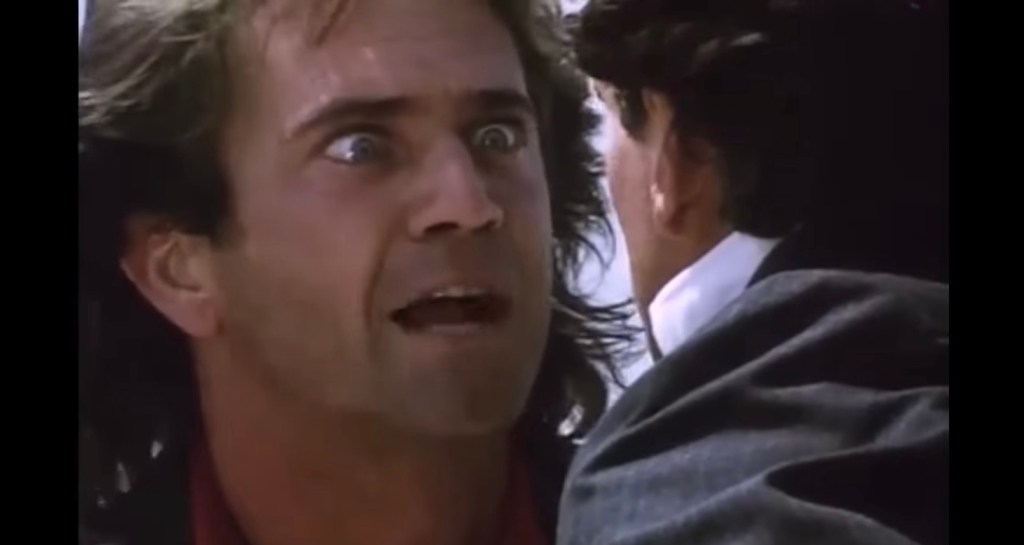
But beyond formula, the 90s buddy comedy had something modern action often lacks: heart. For all their quips and machismo, these films were about partnership. The best of them didn’t just show two heroes saving the day, they showed two flawed humans learning to trust each other, becoming family in a world determined to tear them down. As silly as Bad Boys gets, it’s that final scene, Marcus bleeding out while Mike refuses to leave his side, that gives the chaos weight. Their insults are shields for vulnerability, their bickering a cover for unspoken loyalty.
So why can’t we replicate it now? Hollywood’s attempts to reboot the formula (The Hitman’s Bodyguard, Central Intelligence, Ride Along) often feel engineered rather than organic. They miss the effortless chemistry that came from casting stars with genuine off-screen rapport. Modern scripts lean too heavily on improv riffing instead of sharp character-based writing, while action scenes are smothered in CGI instead of practical stunts that feel dangerous and immediate.
Moreover, the genre’s simplicity has been undercut by Hollywood’s obsession with shared universes and franchise building, and we all know how that ended up. Buddy comedies used to exist as standalone stories, you watched for the characters, not because it was Chapter Five in an eight-film saga. That narrative freedom allowed filmmakers to prioritise punchlines over worldbuilding and to let their heroes be messy without worrying about franchise canon.
There are glimmers of hope, of course. 21 Jump Street modernised the formula with meta humour and Bullet Train attempted a frenetic ensemble approach, while Bad Boys for Life managed to recapture some of its original charm by embracing middle-aged vulnerability alongside explosions. But these are the exceptions, not the rule.
We’re still chasing that high because those films gave us something pure: action and comedy in equal measure, anchored by human connection. They were popcorn entertainment without cynicism, a reminder that sometimes all you need is two idiots with guns, a decent villain to shoot at, and the unspoken promise that no matter how bad things get, your partner’s got your back. In a world of invincible caped heroes, the buddy cop comedy remains refreshingly human, and if Hollywood ever figures out how to recreate that magic formula, we’ll be there, popcorn in hand, ready to watch two mismatched fools save the world one sarcastic insult at a time.
(Images owned by and courtesy of Youtube)

 The Screen Scribe
Leave a comment