There are shows that demand your attention with explosive spectacle, and then there are shows like The Sandman that whisper your name in the dark and invite you into a world of dreams, stories, and shadows. Season 2, Part 1 arrives after what felt like an eternity of waiting, and while the binge model and split release might frustrate some viewers, what matters is this: The Sandman remains one of the most visually intoxicating and narratively sophisticated series ever adapted from comics. It is not perfect, but perfection was never the point. Neil Gaiman’s universe is about wonder and dread, beauty and terror, and this season captures that balance with a quiet, confident grace.
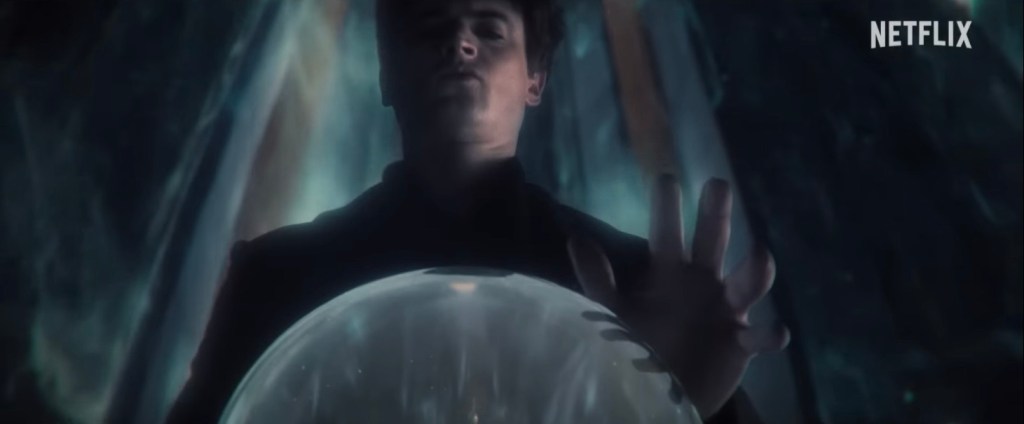
Season 2, Part 1 adapts two major arcs from Gaiman’s original run: Brief Lives and Season of Mists. Picking up after Morpheus has re-established his dominion over the Dreaming, we follow Dream as he is pulled into family drama when his reckless younger sister Delirium (Cassie Clare) convinces him to help find their missing brother Destruction, who abandoned his Endless duties centuries ago. This road trip through realms forces Dream to confront the limitations of his stoic detachment and his fear of change.
Simultaneously, Season of Mists unfolds as Dream returns to Hell to right a wrong against his former lover Nada, only to find Lucifer (Gwendoline Christie) has abdicated the throne, leaving Dream with the key to Hell itself. Gods, demons, and faerie royalty descend upon the Dreaming to bargain for its ownership, and Morpheus must navigate cosmic politics while confronting the emotional wounds that define his existence.
For all its beauty and ambition, The Sandman continues to wrestle with pacing issues. The split release structure amplifies this problem. Part 1 feels incomplete by design, ending on a narrative pause rather than a satisfying climax. While faithful to the comics’ episodic nature, it risks frustrating casual viewers expecting traditional season arcs.
Some subplots, particularly those involving minor denizens of the Dreaming, feel like narrative padding rather than essential worldbuilding. They are atmospheric but can undercut momentum during otherwise propulsive arcs like Season of Mists. Additionally, while Tom Sturridge remains an inspired casting choice as Dream, his performance is at times so restrained it borders on monotone. Gaiman’s Morpheus is cold and distant, yes, but he also simmers with an unspoken rage and sorrow that only occasionally flickers to life here.
Finally, while the visual effects remain strong by TV standards, certain CG-heavy scenes, particularly involving gods and cosmic realms, lack the seamless polish of larger-budget fantasy competitors. For a show built on the ethereal and impossible, any technical seams stand out starkly.
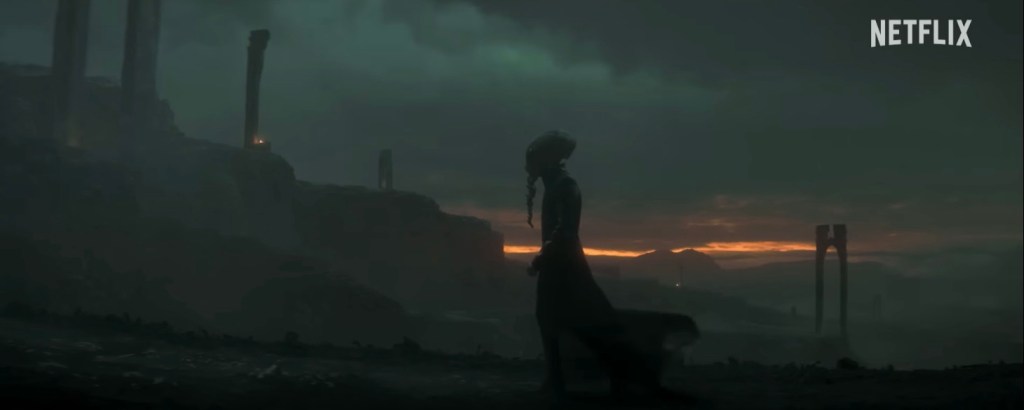
Yet The Sandman is not defined by its flaws, but by its audacity. Very few series have the courage to adapt Gaiman’s labyrinthine storytelling with this level of reverence and visual imagination.
The Brief Lives arc is a highlight, giving Cassie Clare’s Delirium room to shine as a chaotic, heartbreaking embodiment of innocence fractured by eternity. Her dynamic with Sturridge’s Dream is both funny and deeply melancholic, revealing new shades of Morpheus’ rigid personality. The quest for Destruction brings philosophical weight, questioning the nature of change, art, and mortality with a maturity few shows would dare attempt.
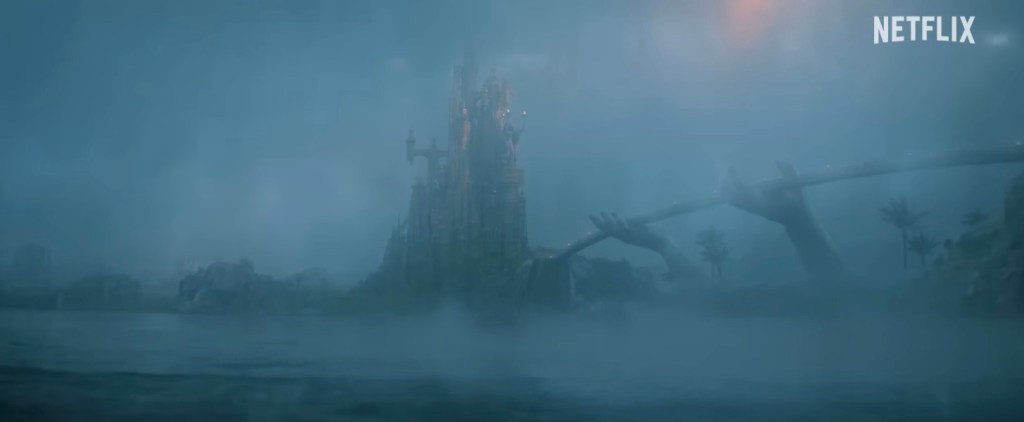
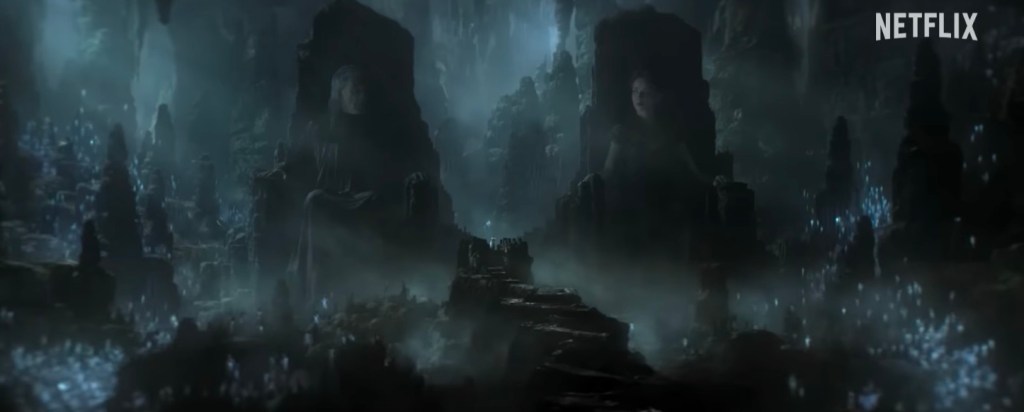
Season of Mists remains the show’s standout. Gwendoline Christie’s Lucifer is as magnetic as ever, blending regal poise with quiet fury, and the political bidding war over Hell’s key is staged with Shakespearean elegance. The show’s production design continues to impress, from the cavernous halls of Hell to the intricate beauty of the Dreaming’s architecture. Each frame feels composed with painterly care, aided by David Buckley’s haunting score that weaves melancholy piano with swelling orchestral dread.
Supporting performances are uniformly strong. Mason Alexander Park continues to own every scene as Desire, radiating sly menace and amused detachment. Kirby Howell-Baptiste’s Death remains the franchise’s moral compass, her brief scenes reminding viewers of the tender humanity at the core of this cosmic saga.
Most importantly, The Sandman remains a show unafraid to be literary. It revels in language, in metaphor, in conversations about myth, meaning, and the stories that bind human life together. For viewers seeking empty spectacle, it will feel slow. But for those willing to sink into its dream logic, it remains spellbinding.
The Sandman: Season 2, Part 1 is not a show for everyone, nor does it try to be. It is slow, poetic, and often refuses traditional narrative payoffs. But it remains one of the most ambitious adaptations in television history, capturing the aching beauty, cosmic dread, and wry humanity of Neil Gaiman’s masterpiece. It may stumble with pacing and visual seams, but when it soars, it reminds you why stories matter. In the age of formulaic content, The Sandman remains a lucid dream you will never want to wake from.
3 / 5 ✨ from the Screen Scribe.
(Images owned by and courtesy of Netflix / Youtube)

 The Screen Scribe
Leave a comment