Modern cinema has developed a peculiar obsession. It is not enough anymore for beloved legacy heroes to return to the screen and remind us why we loved them. No, now they must be deconstructed. They must be bitter, broken, and wrinkled shadows of their former selves, limping across the narrative as cautionary tales rather than icons of hope. From Luke Skywalker tossing aside his lightsaber in nihilistic despair to Indiana Jones drinking himself to irrelevance, Hollywood seems determined to show us that heroes age, fail, and fade. But is this narrative trend courageous realism, lazy writing, or simply the collective midlife crisis of an industry terrified of its own mortality?
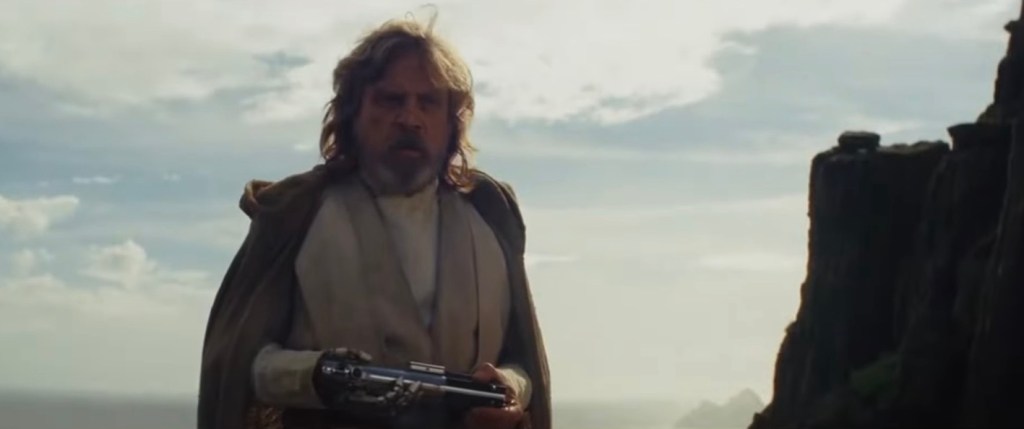
Take Luke Skywalker. For decades he was the farm boy turned galactic saviour, a symbol of unbreakable hope. Then The Last Jedi arrived and gave us a Luke who had abandoned his faith, lived in self-imposed exile, and believed the Jedi should end. For some, it was a powerful portrayal of trauma, guilt, and disillusionment. For others, it felt like a betrayal of everything Luke stood for. Regardless of where you land, the choice reflects a cultural impulse to strip away heroic mythology and replace it with weary resignation.
Han Solo suffered a similar fate in The Force Awakens. The roguish smuggler who grew into a reluctant war hero is reintroduced as a deadbeat dad running away from responsibility, still owing people money, still flying around with Chewie as if the last thirty years never happened. The tragic irony of losing his son to darkness adds weight, yes, but it also erases the arc of a man who overcame selfishness to become a leader. Instead, we see a hero regressed back to square one, redefined by failure.
Indiana Jones limped into Dial of Destiny as a relic out of time, divorced, alone, and teaching in empty classrooms as students ignore his lectures. There is poignancy in seeing heroes age, but the film leans so heavily into his irrelevance that when he finally dons the fedora and rides again, it feels like hollow nostalgia rather than triumphant return.

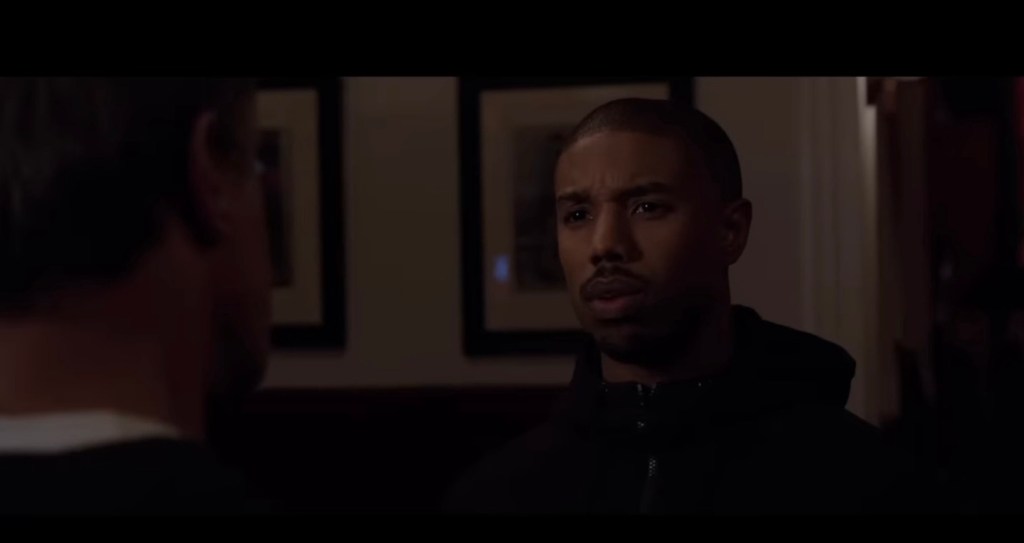
Sarah Connor was reintroduced in Dark Fate as a bitter, broken alcoholic hunting Terminators out of obsession rather than purpose. Rocky Balboa in the Creed era became a lonely, cancer-ridden widower estranged from his son, clinging to the past while training Apollo’s offspring to reclaim a fragment of his own lost glory.
Why this fixation on deconstructing our heroes into sad, disillusioned wrecks? Part of it is realism. Time destroys all legends. Seeing heroes age grounds them in relatable human frailty. But there is a fine line between realism and nihilism. Too often, these films strip away hope without offering meaningful catharsis in return. It is not enough to break them down; a story must build them back up with earned redemption. Otherwise, what is the message? That all victories are meaningless because failure inevitably follows?
Another reason for this trend is the rise of the legacy sequel. Studios need older heroes to pass the torch to younger leads. What better way to do that than to portray the originals as tired, obsolete, or morally compromised, paving the way for the fresh face to inherit the mantle? This is narrative efficiency, but often at the cost of character integrity. Han Solo dies to elevate Rey’s arc. Luke Skywalker vanishes to empower the Resistance. Rocky Balboa fades so Adonis Creed can rise. It is the circle of Hollywood life, driven by commercial necessity rather than organic storytelling.
There is also a meta element at play. Audiences today are more cynical. We crave subversion of myth, moral complexity, and psychological realism. Films mirror this cultural mood, replacing aspirational heroes with damaged antiheroes or traumatised mentors. In moderation, this approach adds depth. But when every hero returns as a broken shell, it reveals an artistic bankruptcy of ideas. It is easier to deconstruct than to reconstruct. Easier to strip away myth than to create new ones.
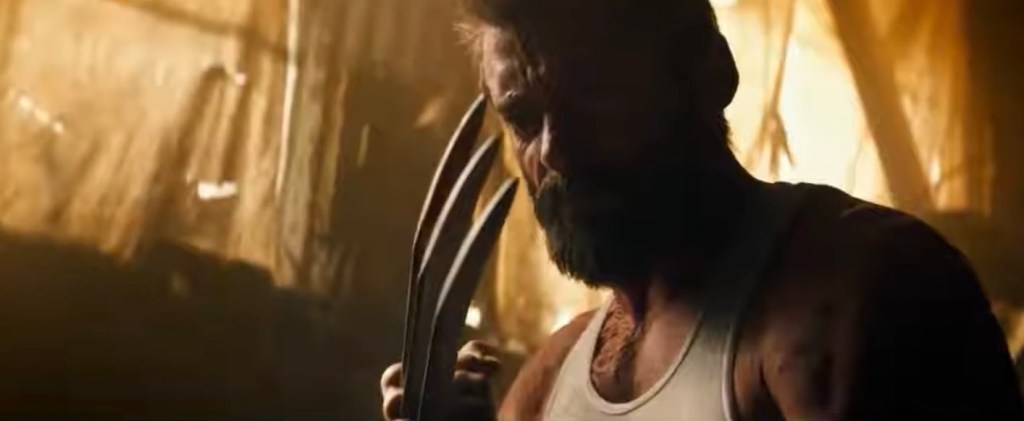
That said, not all deconstructions fail. Logan gave us an old, bitter Wolverine dying of adamantium poisoning and haunted by past violence. But it earned its tragedy with profound emotional payoffs. Logan’s sacrifice felt cathartic rather than bleak, rooted in redemption and love. The problem is not showing heroes age and suffer; it is doing so without honouring who they were.
Because at their core, legacy heroes are myths. They exist to embody hope, courage, rebellion, and resilience. Deconstruction has value, but it should illuminate deeper truths, not merely tear down what once inspired. If every hero ends up old, broken, and useless, what does that say about us? That hope is foolish? That fighting for something greater only leads to failure?
In the end, perhaps the answer lies in balance. Show us their flaws, their ageing bodies, their emotional scars. But do not forget what made them heroes in the first place. Let them stumble, let them fall, but let them rise one final time so we remember why we believed in them. Because cinema needs myths, not just mirrors. And sometimes, we need to see the old heroes pick up the sword one last time and remind us that though the world may break us, courage never truly dies.

 The Screen Scribe
Leave a comment