
There are anime hits, and then there is Demon Slayer. In an era where anime franchises often fight tooth and nail for mainstream relevance, Demon Slayer sliced through cultural barriers with the precision of Tanjiro’s Water Breathing forms. Its rise from a well-regarded manga adaptation to the highest-grossing anime film of all time is nothing short of extraordinary. But as the series approaches its final act, the long-awaited Infinity Castle Trilogy, one question looms larger than any Upper Moon demon: can Demon Slayer stick the landing?

First, it is worth understanding just how seismic its impact has been. When Demon Slayer: Kimetsu no Yaiba debuted in 2019, it immediately caught the attention of anime fans for its fluid animation, striking character designs, and emotional storytelling. Studio Ufotable took Koyoharu Gotouge’s manga panels and elevated them with their trademark digital compositing, creating a visual feast that felt almost cinematic even in episodic form. Then came Mugen Train.
Released in 2020, Demon Slayer: Mugen Train grossed over $500 million worldwide, surpassing Spirited Away to become the highest-grossing anime film of all time. Think about that. A shonen battle movie sequel to a one-season anime beat Miyazaki’s magnum opus. It was a moment that solidified Demon Slayer as not just a popular series but a cultural juggernaut. It proved anime cinema could dominate the box office alongside Marvel and Fast & Furious.
Critically, the series has maintained remarkable consistency. It is praised for its tight pacing, accessible storytelling, and refusal to pad arcs with filler episodes. Each season builds logically from the last, avoiding the mid-series fatigue that plagues even beloved franchises like Naruto or Bleach. Its emotional sincerity is another core strength. Tanjiro’s kindness and empathy ground the story, offering a protagonist driven not by power-lust or revenge alone, but by compassion for both humans and demons. This simple but powerful moral core resonates widely, especially among newer anime fans.
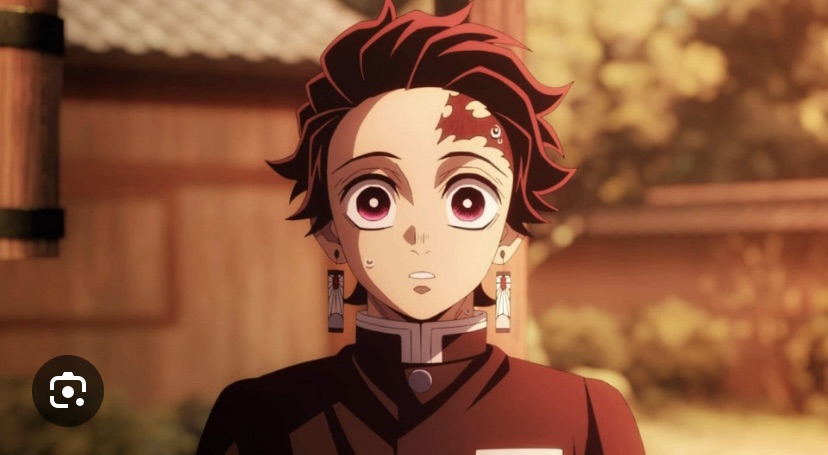
And that accessibility is no small feat. Demon Slayer has become an anime gateway drug for millions. Its vibrant animation, relatable characters, and clear stakes make it easy for newcomers to embrace without needing years of genre familiarity. Unlike One Piece, it does not require a thousand-episode commitment. Unlike Attack on Titan, it is not drenched in nihilistic dread and dense lore. Instead, it offers a self-contained world with understandable rules, escalating stakes, and just enough darkness to feel mature without alienating casual viewers.
But accessibility and popularity bring their own burdens. As Demon Slayer moves towards its conclusion with the upcoming Infinity Castle Trilogy, expectations are astronomical. These final arcs will adapt some of the manga’s most ambitious material: a sprawling multi-floor labyrinth of demon battles leading to the ultimate confrontation with Muzan Kibutsuji. If done right, they will deliver everything fans have hoped for, cathartic payoffs, heart-shattering sacrifices, and visually overwhelming spectacle.
Yet therein lies the risk. The manga’s final act, while widely praised, was not without criticism. Some fans felt it rushed character resolutions and undercut emotional moments with rapid battle pacing. Translating such dense material into three feature films will be a delicate balancing act. Studio Ufotable has proven its technical prowess time and again, but can it maintain narrative clarity and emotional focus when the action reaches maximalist heights?

There is also the broader question of anime cinema fatigue. Mugen Train succeeded partly because it felt essential, a direct continuation of the series that could not be skipped. But will audiences maintain that enthusiasm across three separate films concluding the same story? Or will the novelty wear thin as viewers wait years between releases for a single narrative resolution?
Then again, Demon Slayer has repeatedly defied expectations. Each season has elevated its source material, and the Entertainment District Arc’s climax remains one of the most thrilling anime sequences ever aired. The Swordsmith Village Arc, while narratively quieter, showcased Ufotable’s continued commitment to visual excellence and thematic character development.
In the end, the franchise’s greatest asset remains its emotional core. Tanjiro’s journey is not just about defeating demons. It is about grief, love, and forgiveness. As long as the films maintain that focus, as long as each breathtaking blade technique and bombastic battle is anchored in human emotion, Demon Slayer will almost certainly stick the landing.
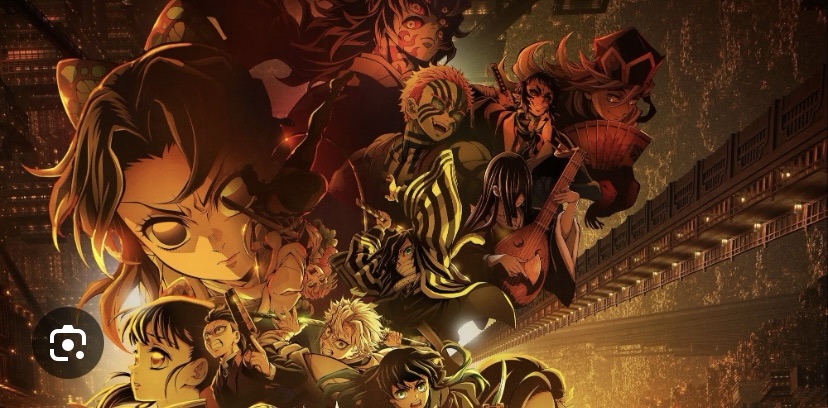
Because Demon Slayer is not just an anime phenomenon. It is proof that sincerity still matters in storytelling. That kindness can exist alongside darkness. That popular success does not require abandoning artistic ambition, and if the Infinity Castle Trilogy closes Tanjiro’s story with the same heart that made fans fall in love with it in the first place, then Demon Slayer will remain what it already is:
A legend forged in steel, blood, tears, and the unbreakable bonds of family.

 The Screen Scribe
Leave a comment