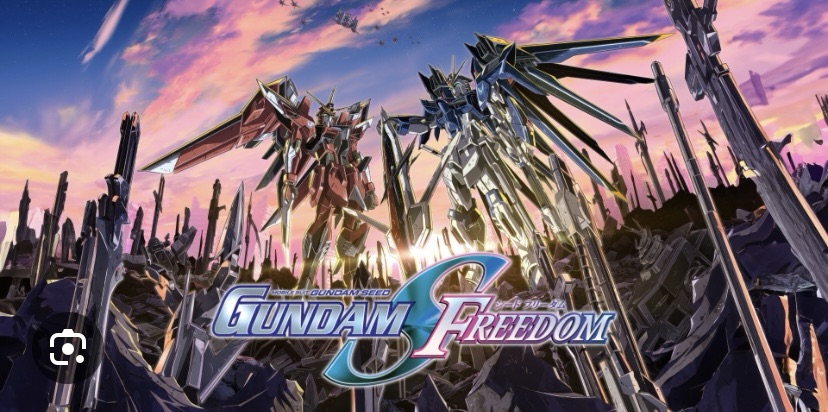
Returning to the Cosmic Era felt like coming home, only to find the furniture rearranged, the wallpaper peeling, and half the family acting like strangers. Revisiting a beloved world is always a gamble. For those of us who grew up with Gundam Seed and Destiny, the Cosmic Era was a delicate balance of politics, war, and human emotion. Gundam Seed Freedom arrives decades later carrying the weight of that legacy and promptly drops it.
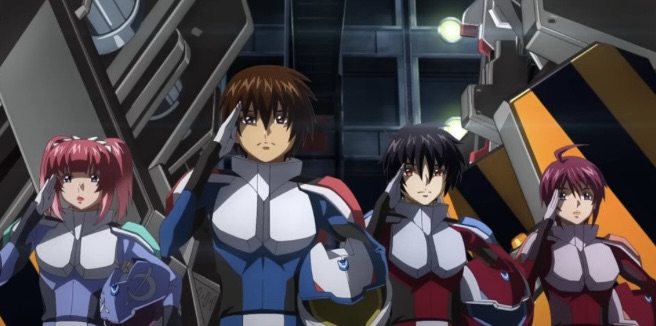
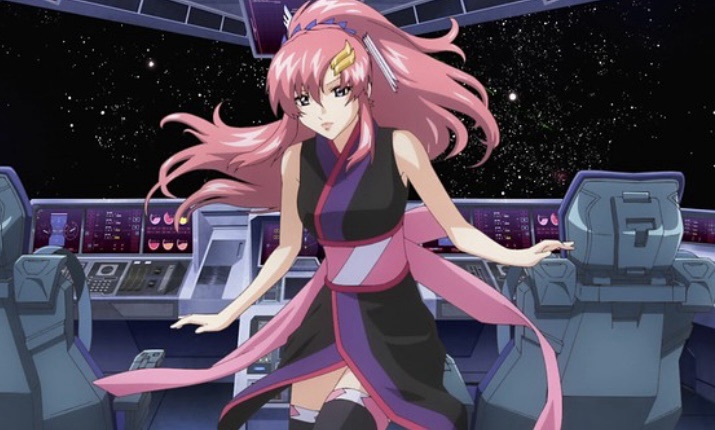
Set a year after Destiny, the world is supposedly at peace. Lacus Clyne leads COMPASS, a global peacekeeping initiative, and Kira Yamato pilots the Rising Freedom. From the first scene, though, the film signals trouble. The Strike Freedom is missing with no explanation, the Rising Freedom appears with no context, and the audience is expected to simply go along for the ride. It is a metaphor for the movie itself: new elements are thrown at us without explanation, leaving even seasoned fans lost in the shuffle.
The plot centres on the emergence of the Foundation, a shadowy faction obsessed with genetic supremacy. Potentially gripping conflicts, political manoeuvring, ideological clashes, the cost of freedom, are buried beneath a relentless tide of romance. Every major event seems filtered through jealousy, miscommunication, or unrequited love. What was once subtle and earned in Seed and Destiny is here loud and insistent, sometimes to the point of distraction.
Returning characters fare unevenly. Kira is burdened by angst but stripped of the quiet strength that once defined him. Lacus feels less a leader and more a pawn of narrative convenience. Shinn, once a tragic and compelling figure, has been neutered into little more than reactive melodrama. Only Athrun and Cagalli retain their essence, providing rare moments that feel genuinely familiar and earned. Even so, the complete recast of the voice actors makes reconnecting emotionally a frustrating exercise in imagination.
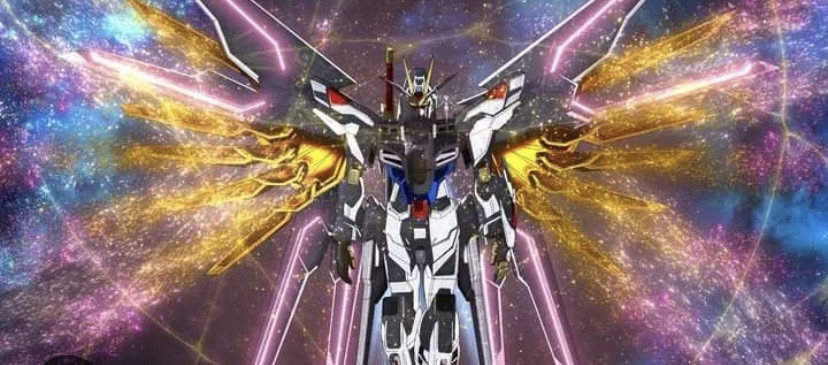
Mobile suit design, normally a highlight of any Gundam production, fails to impress. The Rising Freedom and Immortal Justice are competent but lack the inventiveness and character that made earlier suits iconic. Battles are passable but never exhilarating; the mecha serve as props for melodrama rather than extensions of the pilot’s personality or ideology. It is action without resonance, spectacle without soul.
There are moments that hint at what could have been. The philosophical undercurrent, free will versus genetic destiny, lurks beneath the surface. A quiet reflection here, a fleeting laugh there, a visual flourish or two, these brief sparks remind viewers that the writers were aiming for more than shallow fan service. Yet, the film never gives them the room to breathe.
At its core, Gundam Seed Freedom feels less like a continuation and more like a cash-in. It tosses nostalgia at the audience and expects that to substitute for coherent storytelling. Characters behave inconsistently, romance is dialled to eleven, and subplots arrive and vanish without resolution. It is a film of ambitious ideas executed poorly, a reminder that lightning does not strike twice, no matter how familiar the battlefield.
For fans of the original series, Freedom may offer glimpses of recognition but little satisfaction. It is a reminder that the characters we loved were more than their roles in a story, they were carefully constructed personalities within a carefully built world. Strip that away, and what remains is hollow.
2 / 5 ✨ from the Screen Scribe

 The Screen Scribe
Leave a comment