
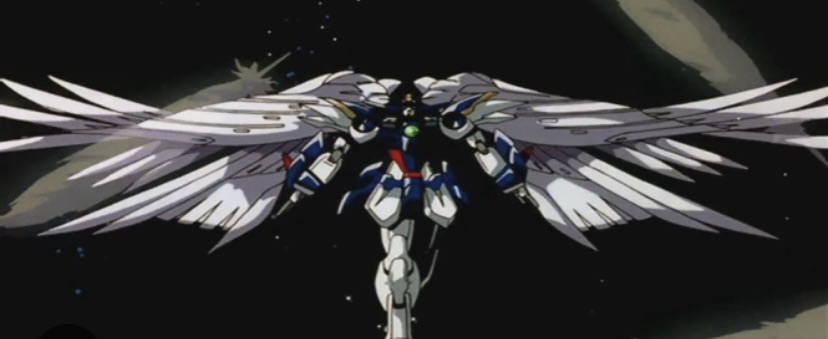
Few images are as synonymous with anime as a towering robot striding into battle. For many Western fans, Gundam Wing was the first real exposure to this tradition, myself included. While it aired alongside the likes of Dragon Ball Z on Toonami, it stood apart in tone and focus. Where DBZ was about superhuman strength and explosive battles, Gundam Wing offered something more political, more grounded, even if it still featured teenagers piloting machines the size of skyscrapers. It introduced me to the mecha genre, but it was only one entry in a long lineage that had already shaped anime for decades.
At its core, mecha anime asks one simple question: what does humanity look like when it places itself inside a machine? On one level, these stories are straightforward spectacles. Colossal robots clash in elaborate set pieces, their weapons carving through enemy forces in a ballet of destruction. But beneath the spectacle, mecha anime often interrogates deeper themes: war, responsibility, identity, and the uneasy relationship between humanity and technology.
The Gundam franchise in particular has always been steeped in politics. Mobile Suit Gundam, which debuted in 1979, broke away from the “super robot” model of earlier shows where machines were essentially magical heroes. Instead, it pioneered the “real robot” genre, treating the mecha as military hardware. These were not invincible machines but flawed tools of war, piloted by young soldiers caught in conflicts far larger than themselves. That DNA carried into Gundam Wing, with its intricate plotting of shifting allegiances, betrayals, and questions of justice.
But Gundam is only one corner of the mecha landscape. Neon Genesis Evangelion, perhaps the most famous mecha series of all, used its machines as psychological mirrors. Its story was less about battles and more about the inner turmoil of its teenage pilots, each struggling with identity, isolation, and trauma. Where Gundam explored the politics of war, Evangelion turned inward, asking what it costs to carry such immense responsibility at a young age.
Other series, like Macross and Code Geass, offered their own spins. Macross blended mecha battles with music and romance, while Code Geass married the genre to chess-like strategy and moral ambiguity. Each contributed something new to the tradition, proving the flexibility of the mecha framework.
What makes mecha endure is its versatility. The robots themselves are both literal and symbolic. They are war machines, tools of destruction, but they are also vessels for human ambition, dreams, and fears. For some, they represent empowerment, the chance for ordinary characters to stand against overwhelming odds. For others, they highlight tragedy, showing how war grinds down even the most heroic of pilots.
For those of us who discovered mecha through Gundam Wing, there was also the sheer cool factor. The design of the Gundams themselves, from the sleek Wing Zero to the hulking Heavyarms, to the more recent bestial and savage Barbatos, they were instantly iconic. Model kits flew off shelves, cementing a culture of fans who didn’t just watch the shows but built their own versions of the mecha at home. That sense of tangible connection made the genre more immersive than most.
Today, mecha may not dominate the anime landscape the way shonen series like Naruto or My Hero Academia do, but its influence remains profound. The DNA of Gundam, Evangelion, and their peers can be seen in countless shows, films, and even Western media. From Pacific Rim to Transformers, the idea of humans merging with machines to fight impossible battles continues to capture imaginations.
For me, Gundam Wing was the spark. But the genre is a vast, interconnected galaxy of stories, each asking the same timeless question: when humanity builds giants, does it rise with them, or fall under the weight of its own creations? That tension ensures mecha will always have a place in the anime canon, no matter how tastes evolve.
(All images and videos are owned by and courtesy of Youtube)

 The Screen Scribe
Leave a comment