
When you hear the word philosophy, anime may not be the first medium that comes to mind. Yet for anyone who has seen Fullmetal Alchemist Brotherhood, it becomes immediately clear that anime can wrestle with ideas as complex and profound as any philosophy text. Beneath its battles, alchemy circles, and memorable cast, the series grapples with themes of sacrifice, morality, and the costs of pursuing knowledge. It is no accident that the show resonates so deeply. Anime as a medium is uniquely suited to ask, and attempt to answer, the big questions.
At the heart of Brotherhood lies the principle of equivalent exchange: to gain something, something of equal value must be lost. This deceptively simple rule becomes a moral compass, a way of interrogating everything from human ambition to the price of power. The Elric brothers are defined by their failure to respect this law, and their journey is one of understanding the balance between desire and consequence. That central idea, though wrapped in the language of alchemy, is profoundly philosophical. What do we owe in exchange for the things we want most?
This is not unique to Brotherhood. Anime has long been a vehicle for exploring questions that Western media often avoids or simplifies. Consider Neon Genesis Evangelion, which frames its story of giant robots and invading angels as a meditation on depression, loneliness, and the human condition. Or Ghost in the Shell, which dives into questions of consciousness, identity, and the nature of the soul in an age where technology blurs the line between human and machine.

What makes anime particularly effective in this realm is its willingness to blend spectacle with abstraction. In live action, a story about alchemy, transmutation, and homunculi might collapse under its own weight. Animation, however, allows ideas to manifest visually without restraint. A truth embodied as a literal, faceless figure behind a gate. A soul bound into a suit of armour. These images transcend exposition, making philosophy feel tangible, visceral, and immediate.
Another factor is cultural. Japanese storytelling traditions often embrace ambiguity, paradox, and tragedy in ways Western stories do not. Where Hollywood often demands a clear resolution and triumphant heroism, anime frequently leaves room for unanswered questions. Brotherhood itself ends with a resolution that is hopeful but hard earned, grounded in sacrifice and acceptance rather than easy victory.
It is also worth noting the accessibility of anime’s philosophical approach. Shows like Brotherhood never feel like lectures. They couch their ideas in characters and conflicts we care about. Edward and Alphonse are not abstract thinkers, they are brothers trying to fix a mistake. Their quest is emotional first, philosophical second, and that balance makes the weight of the ideas easier to bear.

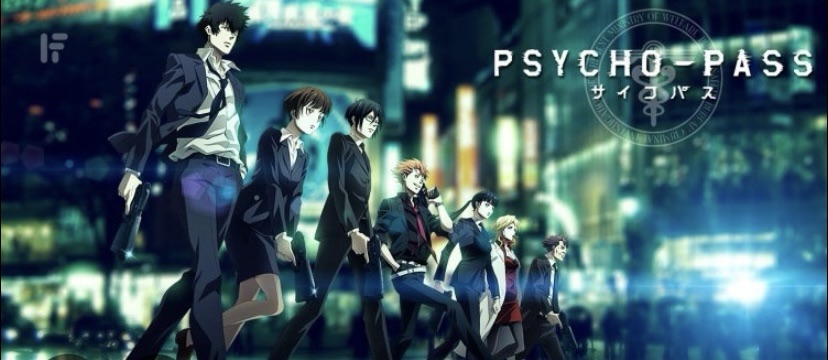
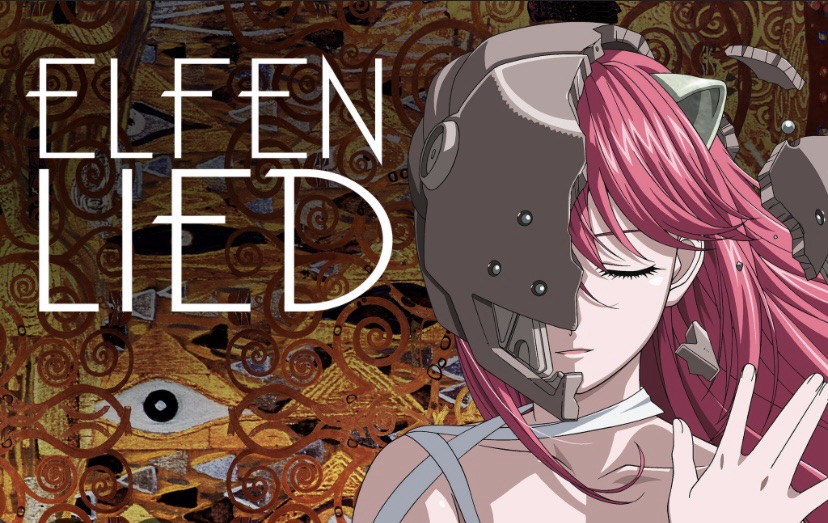
Even when anime goes heavy on abstract thought, as in Elfen Lied or Psycho-Pass, it rarely feels inaccessible. Instead, it creates atmospheres that encourage viewers to think, to question, to puzzle over what they have seen. It trusts the audience to wrestle with ideas rather than spoon feeding them solutions.
For me, Brotherhood is one of the clearest examples of why anime is so effective at engaging with philosophy. It takes lofty concepts and grounds them in human struggles. It blends spectacle with meaning. And most importantly, it never forgets to tell a compelling story while exploring those ideas.
Philosophy often begins with a simple question: what is the good life, and how should we live it? Anime answers that question in a thousand different ways. Sometimes through tragedy, sometimes through triumph, but always through stories that reflect our deepest hopes and fears. That is why a series like Brotherhood does not just entertain, it endures.
(All images and videos are owned by and courtesy of Youtube)

 The Screen Scribe
Leave a comment