There was a time when anime was difficult to find outside Japan. Western audiences relied on scattered VHS tapes, late night cable slots, and word of mouth to discover series like Dragon Ball Z, Escaflowne or Sailor Moon. If you wanted to go deeper, you often had to hunt down expensive imports or grainy fan-subtitled recordings. It was a niche interest, confined to the dedicated few who knew where to look. That world feels like ancient history now. Today, anime is one of the most accessible and profitable forms of entertainment on the planet, and the engine behind that transformation is streaming.
Streaming platforms like Crunchyroll, Netflix, and even Hulu have radically changed how anime reaches viewers. What once took months or even years to cross the ocean can now appear worldwide within hours of its Japanese release. The concept of simulcasting has reshaped the industry, ensuring that fans in Dublin, Los Angeles, or Tokyo can watch the same episode on the same day. That immediate access is more than convenient, it has broken down barriers of geography and turned anime into a truly global phenomenon.
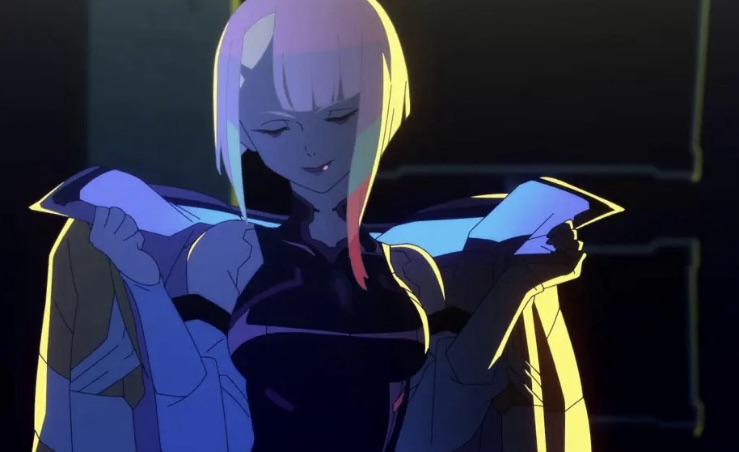

Take Cyberpunk: Edgerunners. Released directly onto Netflix, it bypassed the old gatekeeping model entirely. No waiting for local distributors to take a gamble. No obscure DVD box sets that would only appeal to hardcore fans. Instead, it was available instantly to millions of subscribers across dozens of countries. The result was explosive. Edgerunners not only boosted sales of the video game that inspired it, but also became a breakout cultural moment, introducing the cyberpunk aesthetic to viewers who might never have explored the genre, heard of Ghost in the Shell, or even watched anime before.
The success of Edgerunners is part of a larger trend. Anime is no longer a side offering for curious fans, it is a pillar of content strategy for streaming giants. Netflix has invested heavily in original anime productions, while Crunchyroll has built itself into a dominant hub for both casual viewers and purists who want the widest possible library. This level of accessibility has brought in new audiences, many of whom may have started with something mainstream like Attack on Titan before diving into lesser-known gems.
Streaming has also reshaped anime fandom itself. Online platforms allow for immediate conversation and community building. Social media amplifies memes, quotes, and emotional reactions within minutes of a new episode dropping. The culture of anime is no longer fragmented into small, isolated groups. It thrives in a global town square.


Of course, this transformation raises questions. Some worry that the dominance of large streaming companies risks flattening the diversity of anime. There is concern about overproduction, about series being rushed to meet demand rather than crafted with care. Others point to how licensing deals and exclusivity can still restrict access, just in different ways than before. Yet even with these complications, the overall impact is undeniable. Streaming has made anime not just popular, but mainstream.
For someone who grew up in the era of scratchy VHS tapes and late night Toonami marathons, this new reality is astonishing. What was once niche is now everywhere. You no longer need to be part of an insider community to find and enjoy anime. All it takes is a few clicks.
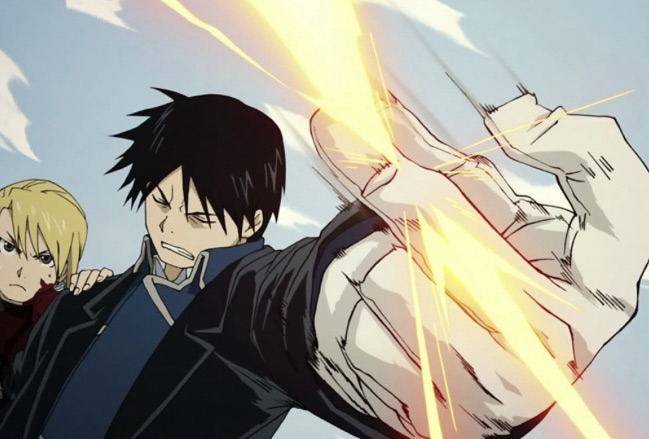
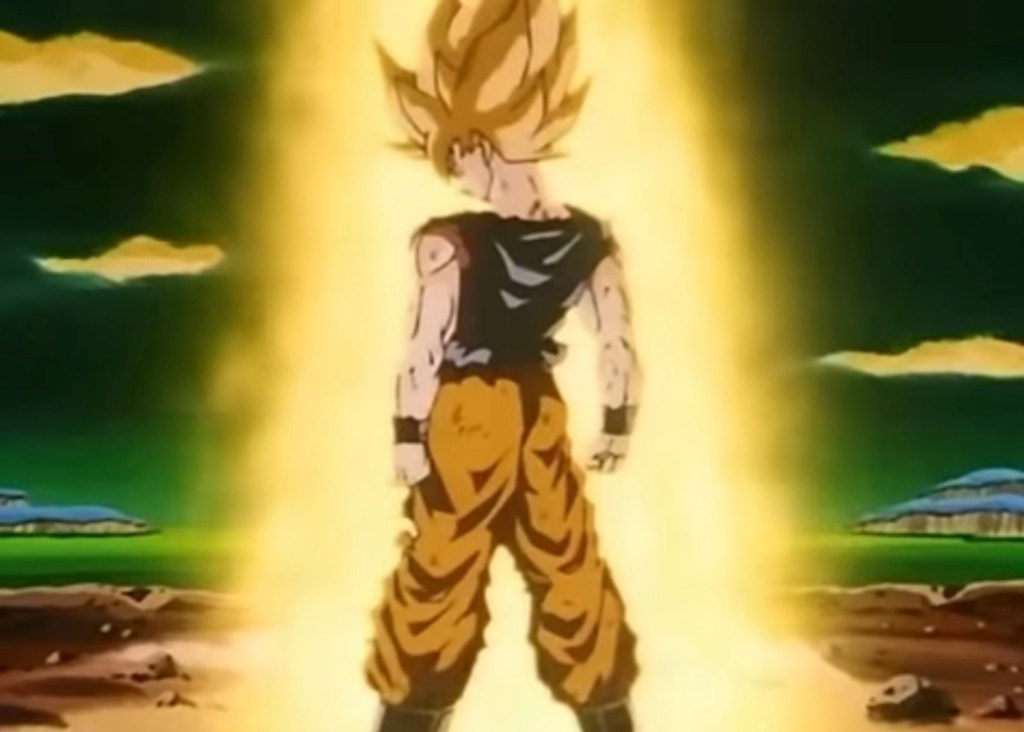
That accessibility is why anime is thriving in the 21st century. It has never been easier to explore the breadth of the medium, from the grounded morality of Fullmetal Alchemist: Brotherhood to the operatic spectacle of Gundam Wing to the neon drenched tragedy of Edgerunners and the bombastic, explosive transformations in Dragon Ball Z. Streaming has not just expanded anime’s reach, it has given it a permanence and a visibility that ensures it will continue to shape global culture for decades to come.
(All images are owned by and courtesy of Youtube)

 The Screen Scribe
Leave a comment