Cinema changed on September 12th, 2001. Maybe not visibly at first. Theatres were still full, the box office still ticking, the same posters hanging from the same marquees. But the tone was different. The optimism had a crack in it. The escapism came with an asterisk, and over time, the heroes we cheered for began to look more haunted.
The post-9/11 era of film ushered in a tonal shift that moved Hollywood away from invincible icons and toward reluctant protectors. Superheroes became brooding. Spies grew introspective. Villains weren’t just ‘bad’, they were ideological, unknowable, sometimes even invisible. James Bond traded in his gadgets for guilt. Batman went back to the shadows. Even Star Wars, once derided for childish Ewoks, returned with the Senate chambers and political corruption.
This wasn’t coincidence. This was culture reacting. The national mood had shifted. Trust in institutions eroded, and America’s sense of invulnerability collapsed with the towers. The lines between good and evil weren’t so clean anymore. Audiences didn’t want fantasy without consequence. They wanted their heroes to struggle. To doubt. To bleed.

Hollywood listened. The mid-2000s gave us darker franchises, grittier reboots, morally complex antiheroes. Sam Raimi’s Spider-Man swung into theatres in 2002 and carried the optimism of a neighbourhood hero, but even that trilogy darkened quickly, culminating in Peter Parker questioning his burden and lashing out. Christopher Nolan’s Batman Begins rebuilt the Dark Knight into a figure forged from fear and trauma, not just campy gadgetry, revisiting his darker roots. Daniel Craig’s Casino Royale stripped Bond of his tuxedo polish and made him bleed for every victory.
Outside the blockbusters, filmmakers tested how far they could go into the shadows. Children of Men imagined a future ravaged by terror and infertility, its handheld cameras and chaotic set-pieces a direct echo of wartime news footage. The Hurt Locker lived inside the suffocating tension of the Iraq conflict, where soldiers carried scars even heavier than their gear. United 93, released just five years after the attacks, recreated the day itself with unflinching realism, and audiences received it not as spectacle but as national ritual.
Even the popcorn films got bitter. The Dark Knight dared to ask whether surveillance, paranoia, and absolute power could ever be justified in the face of terror. Marvel’s early entries, Iron Man especially, built their foundations on war profiteering and Middle Eastern conflict zones. Collateral damage became a recurring theme in action cinema, reflecting real-world anxieties about civilian lives caught in the crossfire. Suddenly, explosions weren’t just fun. They carried weight.

For more than a decade, that tone held sway. The grey morality, the blurred lines, the reluctant hero, that became the language of popular film. The “endless war” outside the theatre seeped into the scripts inside it. Cinema mirrored a world that felt unstable, uncertain, and suspicious of easy victories.
But now, two decades on, we may be watching another tonal shift unfold. The creeping exhaustion isn’t just about the glut of superhero films or the franchise factory model. It’s about the mood. Viewers are tired of the endless cynicism, the constant deconstruction, the heroes who never stand tall without apology. The appetite is shifting toward sincerity. Toward joy. Not naivety. Not sugarcoating. But stories that uplift without pandering.
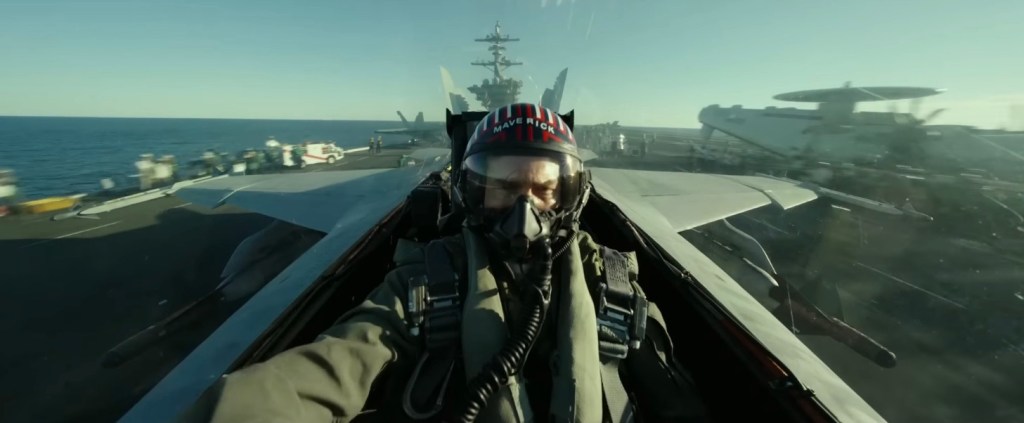
The box office speaks plainly. Top Gun: Maverick soared not only because it was loud and slick, but because it was earnest. It gave audiences clarity. Heroes who believed in something. Stakes that didn’t hide behind endless moral caveats. Even something like Everything Everywhere All at Once, chaotic and absurd as it is, ultimately lands on kindness as its thesis. The pendulum is swinging away from the murk.
That doesn’t mean post-9/11 cinema has nothing left to teach. Its embrace of nuance, its refusal to paint villains as cartoon caricatures, these were important evolutions. It forced Hollywood to mature, to take responsibility for the images it put on screen. But it also trapped us in a cycle of constant noise. Endless grey areas. Endless moral compromises. Somewhere along the way, the act of questioning everything turned into the inability to believe in anything.
Maybe now we’re ready for something new. Not a return to innocence. That’s impossible. The world changed too much. But perhaps a return to belief. A belief that sincerity still has a place on screen. That hope doesn’t have to mean shallow. That optimism doesn’t have to mean denial. Because in the end, stories still shape us. They don’t just reflect the world we live in; they help us imagine the one we want to live in, and sometimes, what we need most isn’t another dark reflection of our wounds. It’s a light to guide us through them.
(All images are owned by and courtesy of Youtube)

 The Screen Scribe
Leave a comment