
There’s a sound every Batman fan knows. Not the flutter of wings in a cave, not the roar of the Batmobile’s engine, but a voice. Deep, resonant, measured. A voice that could embody rage in one breath and compassion in the next. For an entire generation, that voice was Batman. Not Michael Keaton’s whisper, not Christian Bale’s growl, not Ben Affleck’s digitally enhanced snarl. Kevin Conroy’s.
He didn’t just play Batman, he defined him. And in doing so, he set a standard that no live-action cape and cowl could ever quite reach.
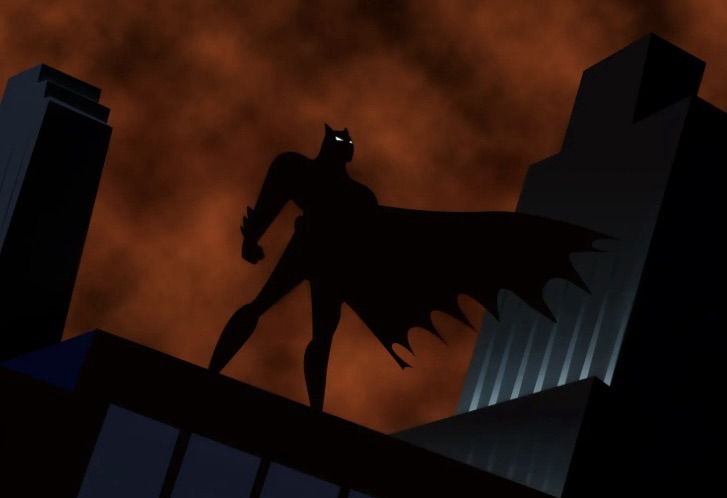
Conroy approached Batman with an insight so simple, yet so profound, it reshaped the character forever, Batman is real. Bruce Wayne is the mask. Where most actors treated Batman as the role and Bruce as the man, Conroy flipped the paradigm. His Bruce Wayne was light, smooth, carefully performed, a facade for the world. His Batman was stripped down, authentic, raw. When he said, “I am vengeance. I am the night. I am Batman,” it wasn’t bravado. It was truth.
That duality, that vocal performance, became the blueprint. Every Batman since has wrestled with Conroy’s standard, consciously or not. The early 1990s gave us Batman: The Animated Series, and with it, a reinvention of superhero storytelling. Its art deco-noir aesthetic was timeless, its stories darker and more complex than Saturday morning television had any right to be. It was animation as prestige drama, long before “prestige TV” was even a buzzword.
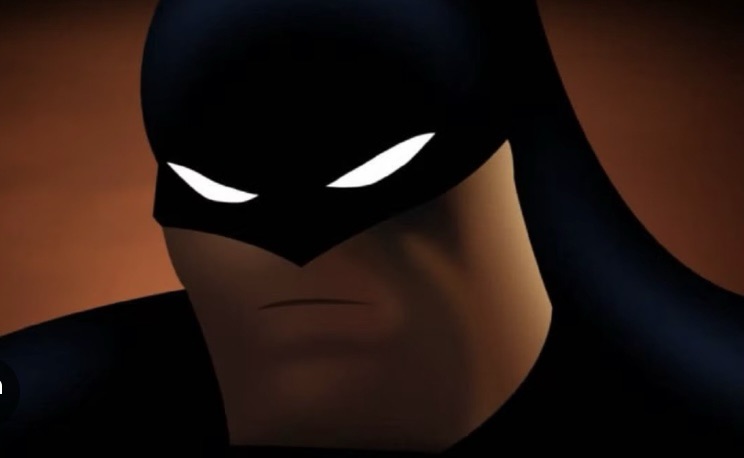
At the heart was Conroy’s Batman. He lent gravitas to a cartoon without ever tipping into camp. His performance gave weight to a rogues’ gallery of tragic figures and lent emotional heft to tales of morality, justice, and trauma. When paired with Shirley Walker’s thunderous score and that shadow-drenched cityscape, Conroy’s voice didn’t just narrate Gotham, it defined it. For countless kids, this was their first Batman. And for many adults, it remains their truest.
If Conroy was the voice of Batman, Mark Hamill became the laughter of madness. Their pairing was alchemy. Conroy’s stoic, wounded gravitas meeting Hamill’s manic glee created one of the greatest hero-villain dynamics ever recorded. Together, they redefined Batman and the Joker’s eternal struggle. It wasn’t just hero versus villain, it was yin and yang, tragedy and comedy, obsession and duty locked in a dance as old as myth.
Their impact went beyond the screen. To this day, when fans open a Batman comic, they don’t imagine any Hollywood actor delivering the lines. They hear Conroy as Batman. They hear Hamill as Joker. Their voices became the soundscape of Gotham, embedded into the very act of reading. It’s not just nostalgia, it’s cultural muscle memory.

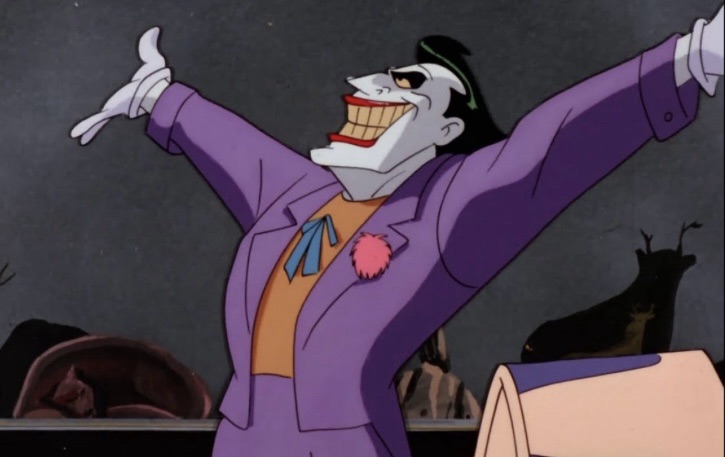


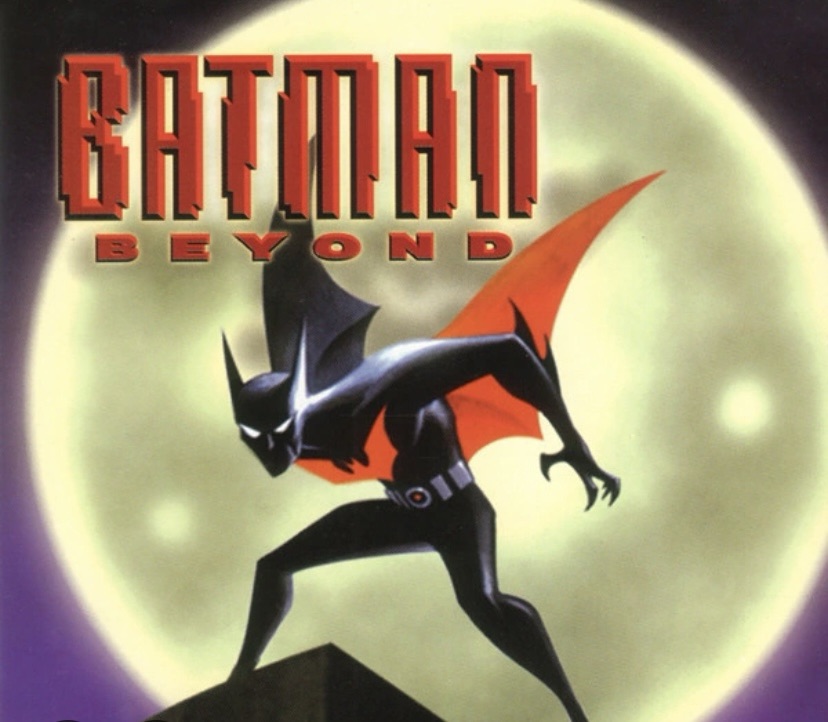
No other superhero pairing has so thoroughly fused with the collective imagination. Conroy’s reign didn’t end with the original series. He carried Batman through Justice League, Justice League Unlimited, and Batman Beyond, evolving the character while keeping his essence intact.
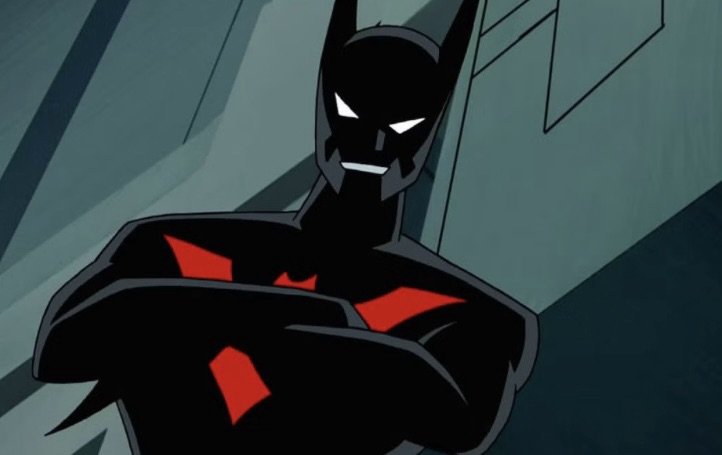
In Batman Beyond, he played an older, broken Bruce Wayne, brittle, haunted, but still unmistakably Batman. Few actors could age a performance like that while keeping it authentic. Conroy made it seamless.

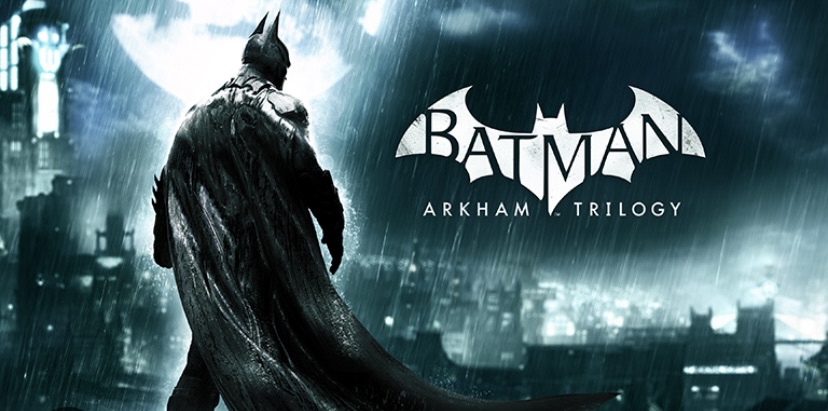
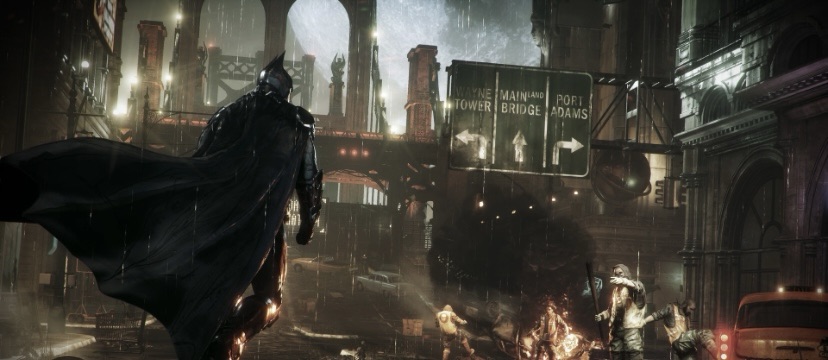
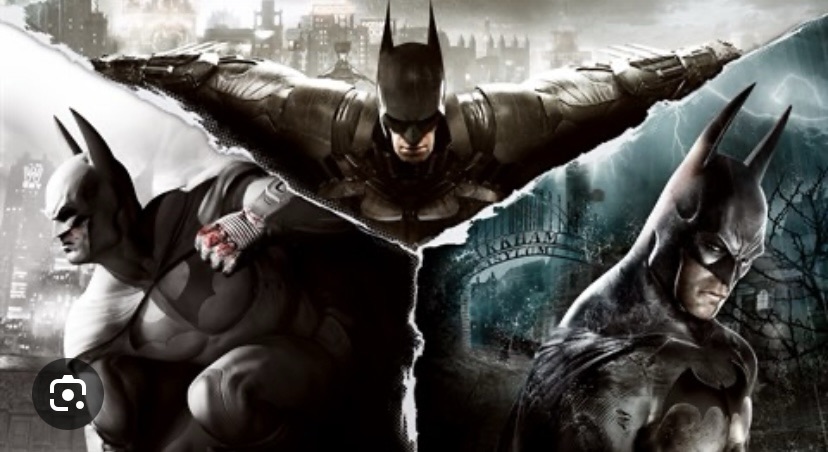
Then came the Arkham games. Brutal, atmospheric, and cinematic, they demanded a darker, more violent Batman. Conroy rose to the occasion, lending his voice to a version of the character both scarred and relentless. These games introduced him to a new generation, making him not just the Batman of the ‘90s, but the Batman of the 2000s and 2010s too.
And when DC finally brought him into live-action during Crisis on Infinite Earths, it wasn’t stunt casting. It was recognition. Even in a brief role, seeing Conroy in the flesh as an older, twisted Bruce felt like a strange form of justice. A nod to the man who had long since earned the mantle.
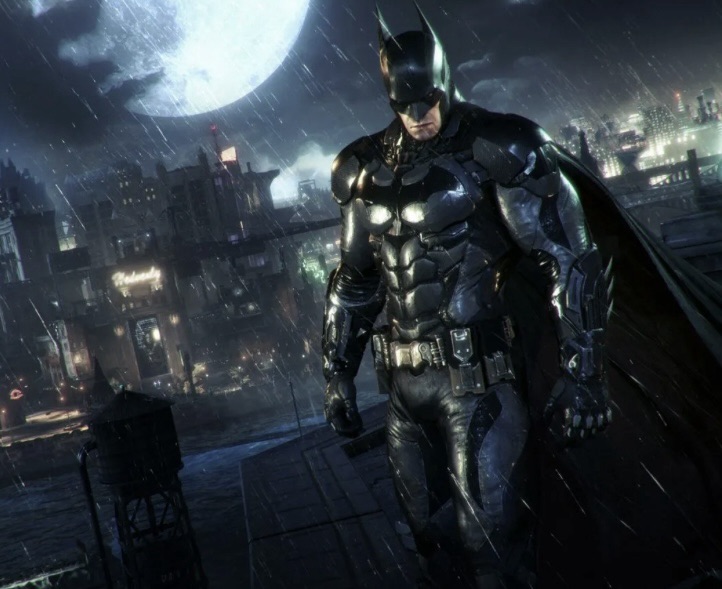
Why does Conroy loom so large compared to the revolving door of live-action Batmen? Because he was the constant. From 1992 to the 2020s, while actors in Hollywood cycled through the cape, Conroy was always there. His Batman was consistent, sincere, reliable. He embodied the tragedy of the character, the boy in the alley who never grew up, without ever letting him become one-dimensional.
Fans didn’t just accept Conroy as Batman; they trusted him. His voice carried moral authority. It could comfort Robin, terrify Scarecrow, or mourn over the grave of his parents with equal conviction. Where live-action Batmen often felt like actors putting on a role, Conroy felt like the role itself.
When Kevin Conroy passed in 2022, the outpouring of grief was immediate and immense. Not just from fans, but from colleagues, peers, and an entire industry. Mark Hamill described him as irreplaceable, the definitive partner in Gotham’s eternal dance.
What struck many was not just Conroy’s professional legacy, but his personal dignity. In later years, he spoke openly about his sexuality, about the struggles of being a gay man in Hollywood during the 1980s and 1990s. His honesty deepened the resonance of his Batman, a character defined by masks and dual lives. Conroy brought that authenticity not just to the role, but to his own story.
His death wasn’t just the loss of an actor. It felt like the silencing of a voice that had been with us for decades, the end of an era where Batman had a definitive sound. Kevin Conroy wasn’t just a Batman. He was the Batman. The voice in the dark that carried us from childhood into adulthood, from Saturday morning cartoons to late-night gaming sessions. The Batman whose every word felt weighted with truth. For a generation, Batman didn’t have a face. He had a voice. And that voice belonged to Kevin Conroy. And when we open a comic, decades from now, and read the words “I am Batman,” we won’t hear Bale, or Affleck, or Pattinson. We’ll hear Conroy. We’ll hear the voice of the Dark Knight himself.
(All images and videos are owned by and courtesy of Youtube)

 The Screen Scribe
Leave a comment