The world of The Boys has never been subtle. Blood, bile, and branding have always been its lingua franca. Gen V arrived as its clever younger sibling, fresher, funnier, and every bit as ruthless, a warped mirror of campus idealism. Season 2 keeps that swagger, but somewhere between the dissection and the detonation, the edge softens. It’s still stylish, sharp, and often fascinating, but it feels a little less dangerous than it used to.
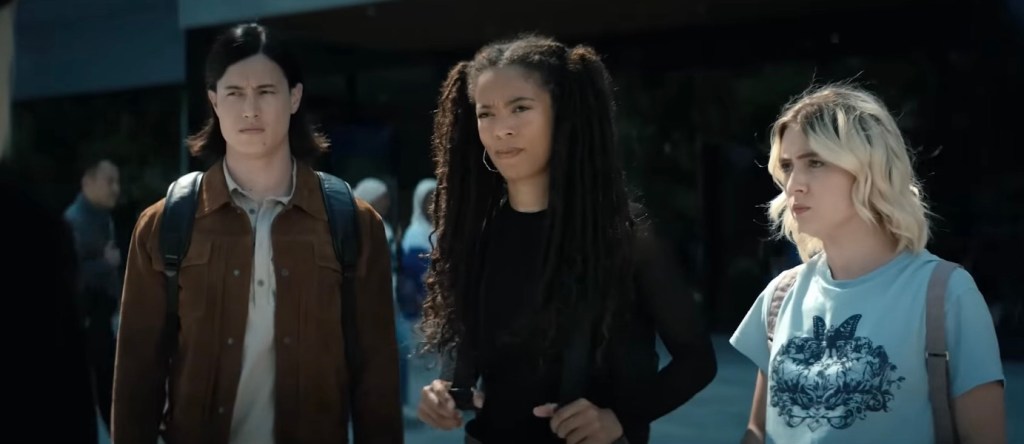
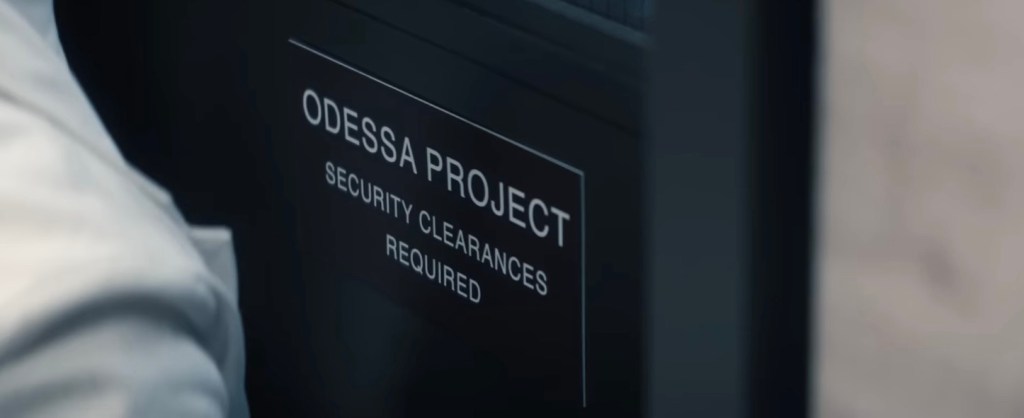
The season picks up at Godolkin University under new management, with the students reeling from last year’s carnage and the school’s PR department doing Olympic-level spin. The mystery of the new dean, Cipher, becomes the season’s heartbeat, a slick, composed figure promising reform while concealing more secrets than Vought’s legal team. Threaded through his arrival is the whisper of Project Odessa, an experimental program tied to the creation of Homelander and Marie Moreau’s blood-bending powers. Marie and her circle, still haunted by the violence of the first season, find themselves drawn into a web of conspiracies linking Godolkin’s corridors to Vought’s deepest vaults. It’s a mystery show at heart, just one where the investigations tend to explode.
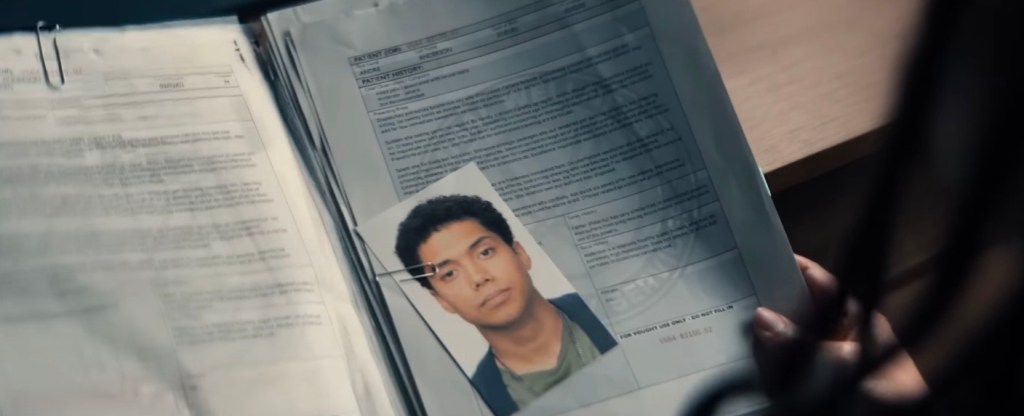
And for a while, it’s gripping. The first half hums with paranoia and purpose, the kind of storytelling that made Gen V feel vital in the first place. The “who is Cipher?” question is teased with just enough restraint, the Odessa connection sparking new implications for how far Vought’s experiments truly go. When the answers arrive, they make thematic sense, power as inheritance, trauma as legacy, even if the shock fades fast. By the midpoint, it becomes clear that Gen V Season 2 is less about solving a mystery than about rearranging the chessboard for the main series.
That shift is both its strength and its stumbling block. The plotting is tight, the production slick, but the sense of rebellion that once defined this show has been tempered by purpose. You can feel the hand of The Boys Season 5 steering events, the way a university suddenly becomes a staging ground for the apocalypse. It’s clever world-building, the timelines now running parallel, but it means Gen V spends a lot of its runtime preparing rather than detonating. The finale lands not with a bang but a baton-pass.
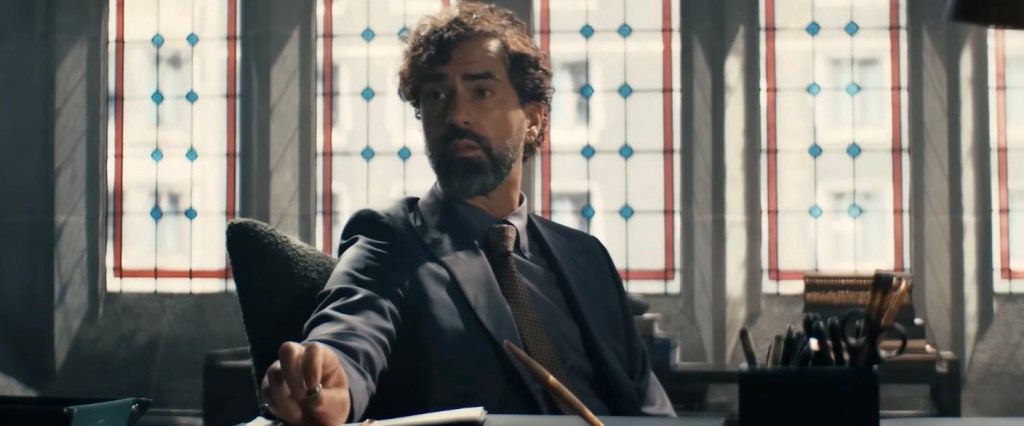
Still, there’s plenty to admire. The cast continues to carry the emotional weight. Jaz Sinclair gives Marie real gravitas, torn between conscience and complicity, trying to be a hero in a world that rewards monsters. Lizzie Broadway’s Emma remains the show’s soul, her mix of vulnerability and resolve grounding the absurdity around her. Hamish Linklater’s Cipher is magnetic in his calm menace, while guest turns from familiar Boys alumni remind you how interconnected this universe has become.
Visually, Gen V remains an achievement. The gore is gleefully inventive, but it’s the quieter flourishes, the neon gleam of a lab, the sterile terror of Vought’s technology, that linger. The direction walks a fine line between horror and satire, and when it clicks, the tone feels effortlessly confident. The soundtrack slaps, the humour still lands, and even when the narrative wobbles, the energy never fully drains.
Where the season falters is in momentum. After an exhilarating start, the middle stretch meanders. Subplots about student rivalries and romantic fallout drag when stacked against the political machinations behind them. The dialogue occasionally strains under its own self-importance, spelling out themes the audience already understands. And while the finale ties up key threads, it stops short of delivering a gut punch, leaving you intrigued but not shaken.
What’s interesting, though, is how much more overt the political commentary has become. The satire that once hid behind blood and sarcasm now stands front and centre, talking points about propaganda, nationalism, and weaponised celebrity hammered home with the subtlety of a sledgehammer. It’s bold, but not always elegant. The Boys has always thrived on excess, and Gen V follows suit; the difference now is that the chaos feels slightly more curated.
Even so, there’s something satisfying about how Gen V Season 2 embraces its role in the larger story. It’s no longer a spinoff scrambling for identity; it’s a crucial gear in the machine. It may have lost a little of its surprise, but it hasn’t lost its purpose. The writing still cuts, the performances still sting, and the show continues to prove that superhero storytelling works best when it bleeds. Stylish, provocative, and packed with sharp performances, Gen V Season 2 deepens the mythology of The Boys while losing some of its own unpredictability. It’s a confident, calculated sequel, less wild, more controlled, but still one hell of a ride.
3.5 / 5 ✨ from the Screen Scribe.
(All images and videos are courtesy of and owned by Youtube)

 The Screen Scribe
Leave a comment