
Few films capture the chaos of modern combat quite like Ridley Scott’s Black Hawk Down. Released in 2001 and based on the real events of the 1993 Battle of Mogadishu, it is an unflinching portrayal of what happens when a seemingly straightforward mission collapses into a brutal urban firefight. This isn’t a glossy war epic with sweeping speeches or romanticised heroism. Instead, it’s two and a half hours of relentless, nerve-shredding intensity that thrusts you into the middle of one of the most infamous operations in U.S. military history.
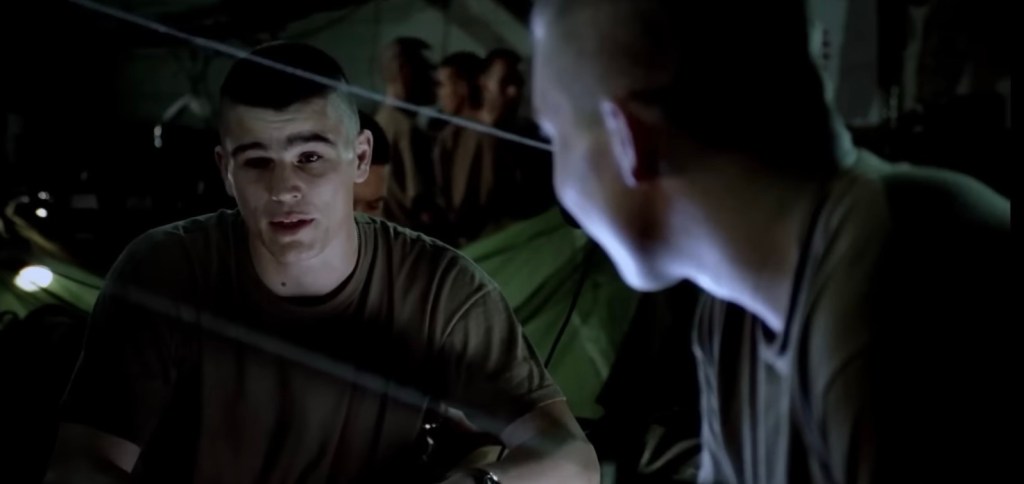
The film begins with American forces sent into Somalia to capture a warlord’s lieutenants, a mission meant to last no more than an hour. But when two Black Hawk helicopters are shot down, the soldiers find themselves surrounded in hostile territory, fighting to survive the night as reinforcements scramble to reach them. What follows is not a neat, tidy narrative but a depiction of the overwhelming confusion and terror of modern battle. Streets become deathtraps, objectives dissolve into survival, and every corner hides danger.
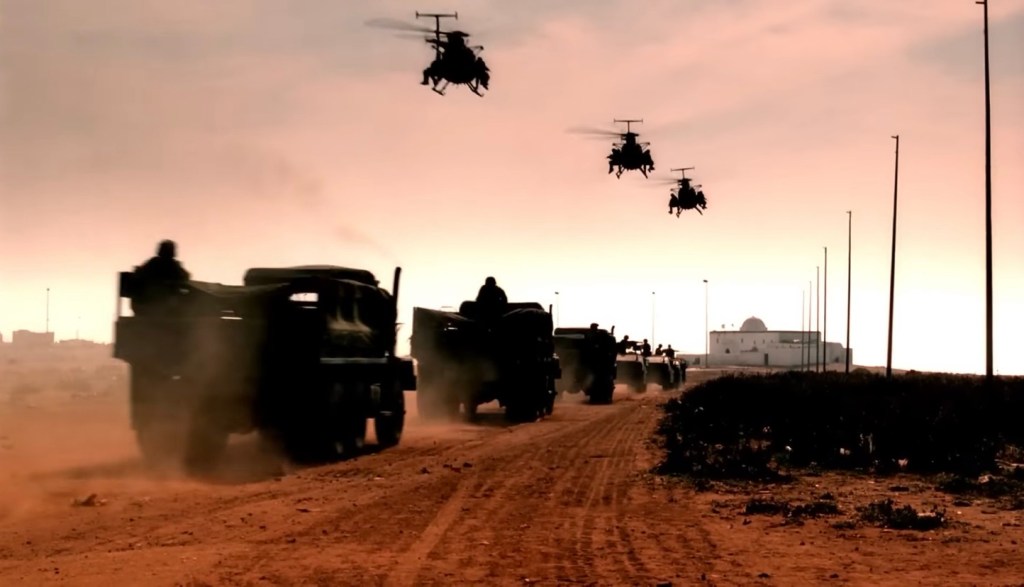
What makes Black Hawk Down unforgettable is its realism. Scott and his team worked closely with the U.S. military to capture not just the tactics but the sheer sensory overload of combat. The film’s sound design is punishing, gunfire rattles, explosions thunder, and helicopters roar overhead, leaving no room to breathe. The handheld camerawork and claustrophobic framing make you feel as if you’re right there in the dust and blood, ducking behind crumbling walls with the soldiers.
The ensemble cast adds to the immersion. Josh Hartnett anchors the story as a young officer suddenly thrust into leadership, while actors like Eric Bana, Ewan McGregor, and Tom Sizemore embody soldiers grappling with fear, duty, and exhaustion. There are no invincible action heroes here, just men trying to stay alive as the situation spirals out of control. Each character gets just enough screen time to feel distinct, but the focus remains on the collective struggle rather than any single protagonist.
Hans Zimmer’s score deserves special mention. Its pounding rhythms and haunting vocals create an atmosphere that is both urgent and mournful, reflecting the film’s blend of adrenaline and tragedy. Combined with Scott’s precise, unflinching direction, it drives home the reality that this is not entertainment, it is a recreation of real lives lost, and real sacrifices made.
But perhaps the film’s greatest strength is its refusal to editorialise. It doesn’t linger on political debates or justify the mission; it simply presents the experience of soldiers caught in a nightmare scenario. In doing so, it avoids glorification and instead honours the grit and resilience of those who fought. The cost is clear: 18 American soldiers dead, over 70 wounded, and hundreds of Somali lives lost. The film doesn’t shy away from the toll on either side, reminding us that in war, no one walks away untouched.

As part of our Military Month collection, Black Hawk Down is essential viewing. It’s a film that strips away Hollywood gloss to show war at its most chaotic and unforgiving. Not everyone will find it easy to watch, but that’s the point. It’s not meant to be easy. It’s meant to immerse you in the fog of battle and leave you with a deeper respect for those who endure it.
(All images and videos are owned by ad courtesy of Youtube)

 The Screen Scribe
Leave a comment