There is a quiet truth sitting beneath modern Hollywood storytelling, one that nobody wants to say out loud for fear of social media crucifixion. But here it is. Hollywood seems to hate heroic men. Not men as villains, not men as comedic foils or hapless sidekicks, but men as noble, aspirational heroes. The stoic leader. The brave protector. The righteous warrior. All archetypes once celebrated as pillars of storytelling, now often deconstructed, mocked, or written out entirely. Why?
This is not an incel lament for the loss of macho power fantasies. It is an observation of a cultural pendulum that has swung aggressively in recent years. Watch any major tentpole franchise today and you will notice the pattern. Male heroes are either absent, incompetent, morally compromised, or framed as relics to be replaced by younger, smarter, usually female successors.
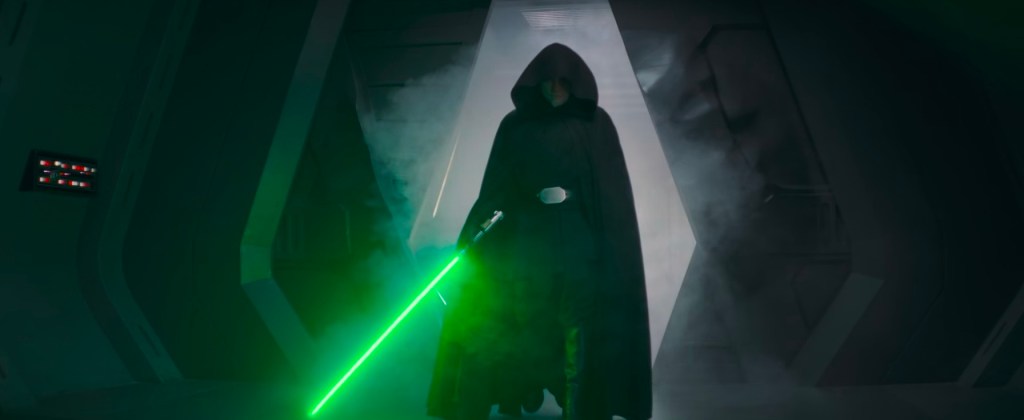
Look at Star Wars. Luke Skywalker, the farm boy turned galactic saviour, returned not as a beacon of hope but as a bitter old hermit filled with regret. Han Solo became a deadbeat dad undone by his failures. Even Indiana Jones, another Harrison Ford icon, returned as a broken man out of place in a modern world, his achievements forgotten.
Marvel has walked a similar path. Thor was once the noble God of Thunder, protector of realms and mortal allies. By Thor: Love and Thunder, he is a comedic oaf whose heroism is overshadowed by his female counterpart. Doctor Strange, once an arrogant but decisive protector of reality, becomes an incompetent multiverse babysitter outwitted by teenagers. Bruce Banner’s Hulk was once raw masculine rage tempered by loyalty and self-sacrifice. Now he is Smart Hulk, half joke, half guru, robbed of physical power and narrative relevance.
This is not to say modern female heroes are undeserving. Far from it. Characters like Furiosa, Wonder Woman, and Ripley remain some of cinema’s most compelling icons. The problem is not the rise of female heroes. It is the framing of male heroism as inherently toxic, obsolete, or comedic. Instead of coexistence, we see replacement. Instead of nuanced masculinity alongside feminine power, we see deliberate erasure or humiliation.
Why has this happened? Partly, it is ideological. Hollywood storytelling reflects broader cultural narratives, and in the current landscape, traditional masculinity is viewed with deep suspicion. Male strength is associated with aggression. Leadership becomes dominance. Protection becomes paternalism. This cultural critique has value, especially when deconstructing outdated macho stereotypes. But nuance has been lost. Hollywood writers, desperate to prove their progressive credentials, strip away heroic masculinity entirely rather than evolve it.
Another factor is market driven. Studios want younger demographics, particularly teenage girls and women who statistically drive box office sales in Western markets. The pivot to female leads is as much economic as it is ideological. The problem is that this pivot often comes at the expense of writing men as rounded, admirable figures. They become incompetent fathers, comedic losers, or moral obstacles to be overcome. This is not empowering representation. It is, quite simply, lazy fucking storytelling.
Then there is the psychological discomfort of modern screenwriters with classical heroism. Heroic male archetypes demand narrative sincerity. They require filmmakers to embrace ideals like sacrifice, honour, and selfless leadership without irony. But Hollywood today is deeply cynical. It is easier to deconstruct than to uphold. Easier to mock heroism than to explore its complexities. Easier to flatten masculinity into either mockery, villainy or irrelevance than to grapple with its potential for nobility.
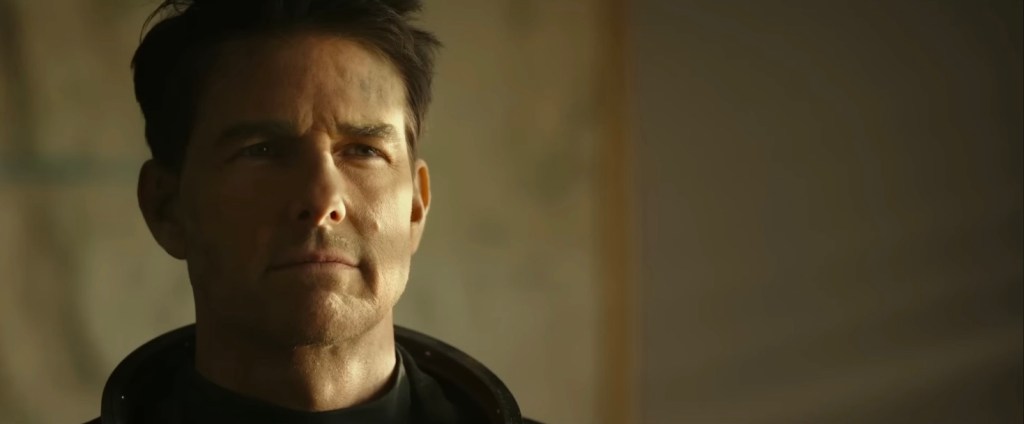
There are exceptions, of course. Top Gun: Maverick stands as a glowing rebuke of this trend. Maverick remains heroic, capable, and masculine in a way that is aspirational yet deeply human. He is not mocked for his age or masculinity. He is shown as a flawed leader, haunted by loss, but ultimately defined by courage, loyalty, and love. The film became the highest grossing of 2022, proving that audiences still crave heroic male leads when they are written with care and sincerity.
The Batman offered another recent example. Bruce Wayne is shown as obsessive and emotionally stunted, but his journey is framed as noble. His masculinity is not toxic by default, but flawed, with the potential for moral rebirth. It is proof that exploring male heroism critically does not require dismantling it entirely.
And then there is The Lord of the Rings, perhaps the finest cinematic testament to positive masculinity. Aragorn embodies selfless leadership and humility, a man who rejects power until duty demands he claim it. Samwise Gamgee, though small and unassuming, carries Frodo and the fate of Middle-earth on his back (quite literally) through sheer loyalty, courage, and love. Boromir, despite his flaws and temptations, dies protecting the hobbits, redeeming his moral weakness with selfless sacrifice. These men are warriors, leaders, and protectors, but they are also gentle, compassionate, and vulnerable. Their strength is never presented as oppressive, but as noble service to others. The Lord of the Rings shows us that true masculinity is not dominance or violence for its own sake. It is courage tempered with mercy, strength guided by wisdom, and honour bound to humility.
Ultimately, the problem is not that Hollywood tells stories about women. It’s that it tells stories at the expense of men. Heroic masculinity has become a narrative scapegoat, sacrificed on the altar of ideological safety. But stories need heroes of all kinds. Young and old. Male and female. Heroes inspire us because they show us what we can become. If you remove half the archetypes from your cultural imagination, you create an impoverished mythos. Because here is the truth. Masculinity, like femininity, carries both darkness and light. The best stories understand this duality. They critique without erasing. They deconstruct without leaving nothing behind. And if Hollywood wants to tell timeless stories again, it must remember that heroes come in many forms, including the ones who stand unbroken, sword in hand, ready to fight for those who cannot.
(All images are owned by and courtesy of Youtube)

 The Screen Scribe
Leave a comment