
Stack the VHS tapes high. Hit play on the crackling logo. Hear the synths hum through tinny speakers and the reel begin to spin. For many, that sound is the heartbeat of a golden age. The 1980s are often remembered as the era when cinema became spectacle, when stories leaped from film reels to toy shelves, when heroes and monsters became myth.
But nostalgia is a powerful drug. We remember the glow, not the grime. For every classic, there were a dozen forgettable pretenders. So how good was 80s cinema really? Was it truly the decade that defined modern film, or have we just convinced ourselves it was?
The 80s began with the aftershocks of two revolutions: Jaws and Star Wars. Spielberg and Lucas had turned movies into events, and Hollywood spent the next decade chasing that high. The auteur era of the 70s gave way to the spectacle era of the 80s, where filmmakers dreamed bigger, louder, and brighter.

Yet it was not just about money. These were visionaries building mythology out of popcorn. Raiders of the Lost Ark felt like pulp adventure carved in marble. E.T. made us believe in kindness as a cosmic force. Back to the Future bent time to nostalgia’s will. These films mixed craftsmanship with wonder, engineering with emotion.
Still, the change was clear. Studios no longer wanted small stories about broken people. They wanted universes. The 80s didn’t just make blockbusters. It invented the system that still defines the modern film economy. If the 70s gave us rebels and dreamers, the 80s gave us icons. Indiana Jones, Ellen Ripley, John McClane, Sarah Connor, Axel Foley, Marty McFly, the Ghostbusters. They were characters who could outlive their films.
The 80s created the idea of the cinematic franchise, a cultural loop where film, television, toys, and video games fed each other. It was capitalism in surround sound, but it was also mythmaking. Kids did not just watch their heroes. They collected them. Of course, this had consequences. The market began to flood with sequels and spin-offs that mistook repetition for storytelling. By the end of the decade, even giants like Superman had crashed under the weight of diminishing returns. The 80s gave us timeless legends, but it also gave birth to the franchise fatigue that still haunts Hollywood.

The 80s were a decade of glorious inconsistency. It was a time when a sci-fi noir like Blade Runner could flop on release but become sacred text decades later, when The Breakfast Club could define an entire generation of teens while The Terminator redefined action. Horror thrived, from the nightmare logic of A Nightmare on Elm Street to the cosmic terror of The Thing.
Comedies found their own rhythm. Ghostbusters, Beverly Hills Cop, and Ferris Bueller’s Day Off were not just funny. They were cultural tone setters, shaping how movies would talk, dress, and move for years to come. The brilliance of 80s cinema was its variety. It was an era where sincerity could sit beside absurdity, where art and commerce occasionally shook hands instead of fighting to the death.
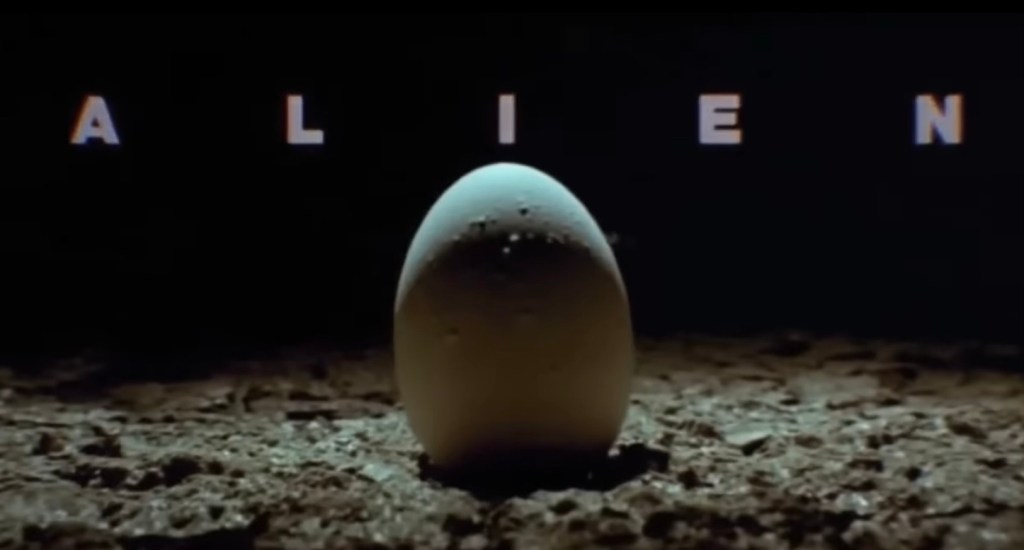
Here is the problem, nostalgia edits memory. We remember Die Hard, Aliens, and The Princess Bride, but forget Howard the Duck, Supergirl, and countless sequels no one asked for. The 80s have been airbrushed into perfection by decades of affectionate tribute. Part of that is our fault. We like to remember the moments that made us feel alive. The VHS glow, the adventure, the sense that movies still had mystery. But beneath the magic was an industry learning to commodify emotion. The 80s perfected the art of selling dreams back to the audience.
Yet even in that, there was something honest. The era was not cynical about its commercialism. It wanted to entertain you, and it did not apologize for it.
Beneath the gloss and bombast, the 80s were built on craftsmanship. Before CGI, everything was tangible. Matte paintings, animatronics, stop motion, real explosions. When you watch Aliens or The Empire Strikes Back, you can feel the texture of the world. Sets were built, not rendered. Effects were solved, not simulated. Limitations became the engine of invention. Directors and crews had to work miracles with physical tools, and that effort shows. Modern blockbusters may be bigger, but few feel as real. The 80s remind us that imperfection can be beautiful.
Modern Hollywood still lives in the 80s’ shadow. Every reboot, every synth-infused trailer, every comic book movie owes a debt to that decade. Filmmakers like J. J. Abrams, James Gunn, and the Duffer Brothers treat 80s cinema as sacred scripture. But this devotion comes with a price. When nostalgia becomes a business model, creativity starts to shrink. The 80s thrived because its creators were experimenting. Today’s reboots mimic the aesthetic but rarely the spirit. The decade survives not because every film was great, but because it believed that movies could mean something to everyone.
That faith built an empire.
So, how good was 80s cinema really? Not perfect, not even close. For every classic, there were a dozen films that vanished with the credits. But greatness was never the point. The 80s were about sincerity, ambition, and scale. They were about filmmakers who swung for the fences and occasionally hit the moon. The 80s taught Hollywood how to dream big, and taught audiences how to believe again. Maybe that is why the era refuses to die. Its films did not just entertain. They dared to matter. Maybe 80s cinema was not always great. But it believed it could be. And that belief changed everything.
(All images are owned by and courtesy of Youtube)

 The Screen Scribe
Leave a comment