There are films you expect to enjoy, and there are films that remind you why cinema exists in the first place. Guillermo del Toro’s Frankenstein falls into the latter category, even if its cinematic release was strangely brief. It is rare for an adaptation of a literary classic to feel both reverent and revitalised, but del Toro manages exactly that. He treats Mary Shelley’s novel not as dusty material to be modernised, but as a living, breathing tragedy that still has something to say about grief, genius and the terrible ache of creation. The result is one of the most faithful and emotionally charged Frankenstein films ever made. Hollywood, take note.
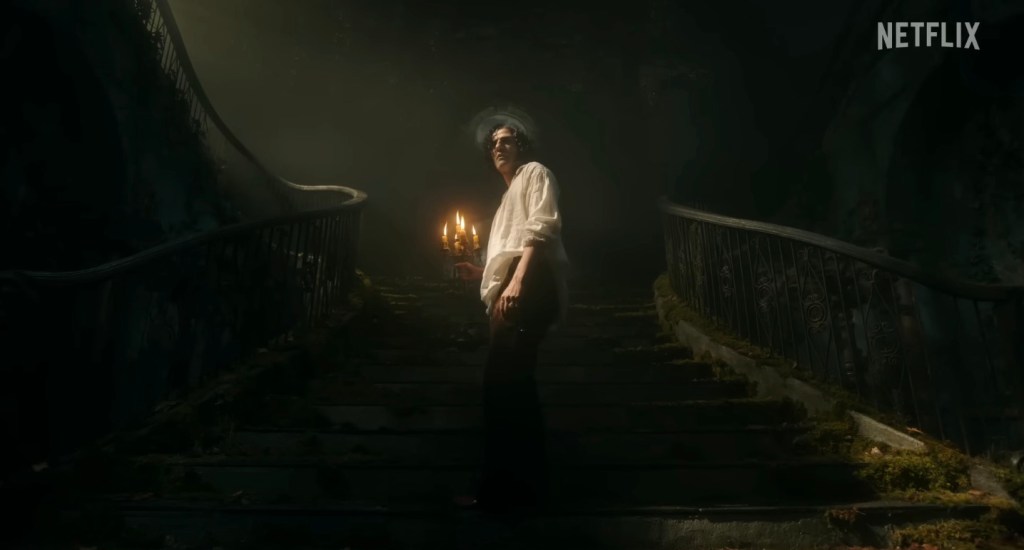
The story needs little introduction, but del Toro reshapes its spine with clear affection for the original text. Victor Frankenstein, a brilliant young scientist driven by grief and an almost fevered obsession with the boundaries of life and death, succeeds in animating a being stitched together from the remnants of the dead. Horrified by his own success, he abandons the Creature, who begins a lonely journey of discovery, yearning and inevitable anger.
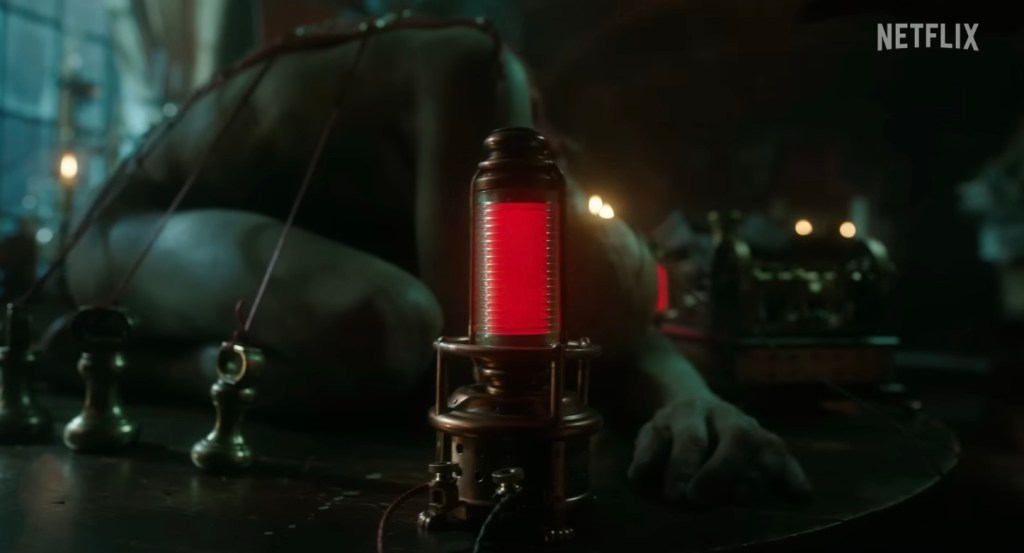
Del Toro keeps the narrative grounded in the relationship between creator and creation. Instead of spectacle for its own sake, he focuses on the moral and emotional devastation that flows from one catastrophic act of arrogance. Oscar Isaac delivers a superb performance as Victor. It is a reminder, yet again, that Disney squandered one of the great actors of this generation in every franchise they cast him in. Here, freed from corporate blandness, Isaac fully inhabits Victor’s volatile nature. He plays him as a brilliant but fragile intellect, someone whose mind moves faster than his conscience. His moments of scientific fanaticism feel electric, while his moments of despair carry genuine weight. It is theatrical, raw and entirely fitting for a character defined by the clash between ambition and guilt.
Jacob Elordi is equally impressive. His portrayal of the Creature is gentle, wounded and painfully innocent in the early sequences. He moves with the curiosity of a child, studying the world he never asked to enter. As the film transitions into its present day framing, Elordi shifts gears completely. The pain hardens. The longing collapses into rage. His sense of betrayal becomes sharp and articulate. It is a performance that balances sorrow and fury in equal measure, and it is easily one of the greatest screen interpretations of the Creature to date. It is certainly my favourite.
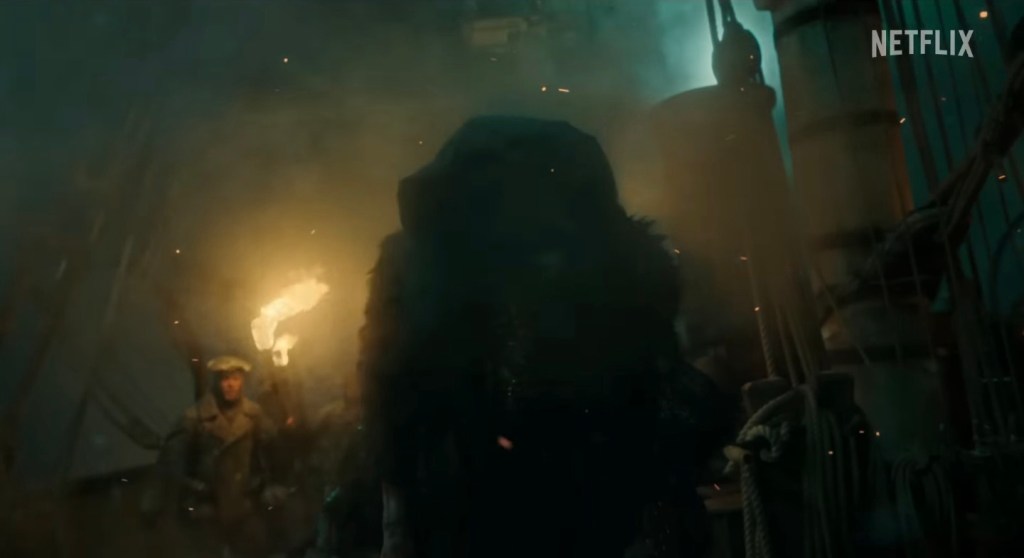
The supporting cast round out the world with a sense of cohesion and authenticity. Each character feels carefully positioned, each performance deliberate. There is no cheap melodrama, no unnecessary exaggeration. Every role feeds into the tragic tapestry del Toro assembles. Mia Goth and Christopher Waltz in particular deliver heartfelt and eager performances that enhance the story and lead actors.
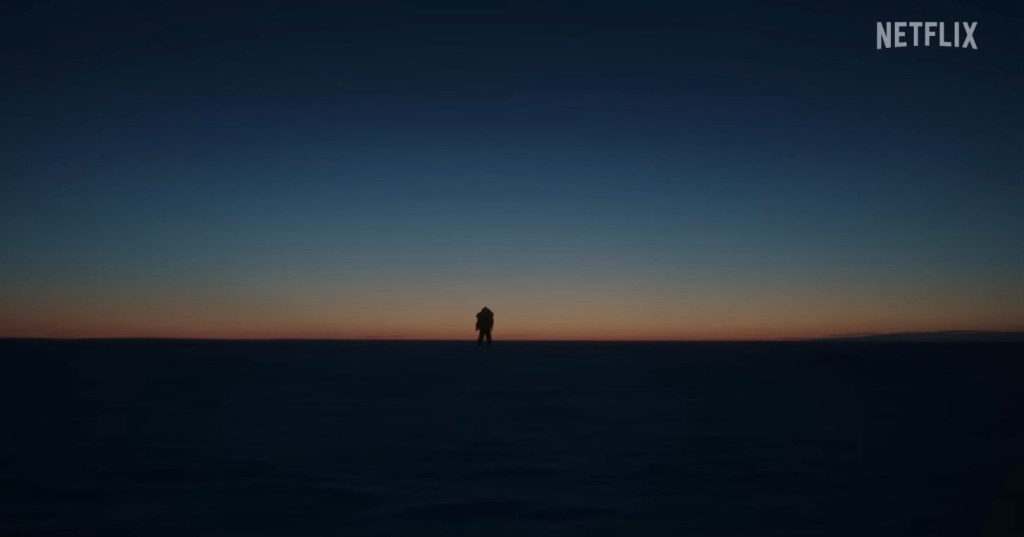
Visually, the film is breathtaking. Del Toro has long been the master of monsters, but this may be his most focused and mature work yet. Every frame feels sculpted. Laboratories glow with eerie beauty. Forests shiver with cold silence. Snow covered landscapes linger with melancholy instead of shock. The production design embraces the Gothic without drowning in self parody. It is a world that feels lived in, haunted and strangely beautiful. The Creature’s design is particularly striking. Practical effects blended with subtle enhancements create a figure that is expressive without losing the uncanny qualities that define him.
The music complements the visuals perfectly. The score swells with tragic elegance, amplifying the Creature’s journey without overwhelming it. It adds emotional resonance to quiet scenes and underscores the growing tension between Victor and his creation.
The film is not without flaws. The middle act struggles with pacing. At nearly two and a half hours, the story occasionally lingers too long on its emotional table setting. It is not boring, but the momentum dips. Conversely, the ending arrives with surprising speed. After such a deliberate buildup, the resolution feels compressed. It is still powerful, but it could have benefited from a more evenly distributed structure.
Even with these issues, Frankenstein remains a triumph. It is a work of genuine craftsmanship by a director entirely in his element. Del Toro’s passion for Shelley’s source material shines through in every scene. The cast rise to meet the challenge with career defining performances. The themes feel timeless rather than old fashioned, and the tragedy lands with a force that lingers long after the credits fade. A superb piece of filmmaking. Guillermo del Toro delivers a definitive Frankenstein, rich with emotion, artistry and reverence for Mary Shelley’s vision.
A rare 5 / 5 ✨ from the Screen Scribe.
(All images and videos are owned by and courtesy of Youtube and Netflix)

 The Screen Scribe
Leave a comment