Once upon a time, a small-town story about missing kids, flickering lights, and a girl with a shaved head dropped quietly on Netflix. No one expected it to rewrite pop culture. But Stranger Things didn’t just become a show, it became the show. A cultural earthquake that shook the streaming age, resurrected the 1980s, and reminded the world that sincerity, friendship, and monster-fighting bicycles still mattered.
It wasn’t supposed to be this big. Created by two brothers who had been rejected across Hollywood, starring a cast of mostly unknowns, and filmed like an ‘80s love letter on a shoestring budget, Stranger Things emerged not as a calculated hit but as a phenomenon born of heart. And in doing so, it proved something the entertainment industry had forgotten, nostalgia alone doesn’t move the world, emotion does.
From the moment those glowing red letters burned onto a black screen, audiences knew they were watching something special. The title sequence alone was a time machine, the font borrowed from Stephen King paperbacks, the synth score pulsing like John Carpenter’s heart monitor, and the tone equal parts E.T., The Goonies, and Firestarter.
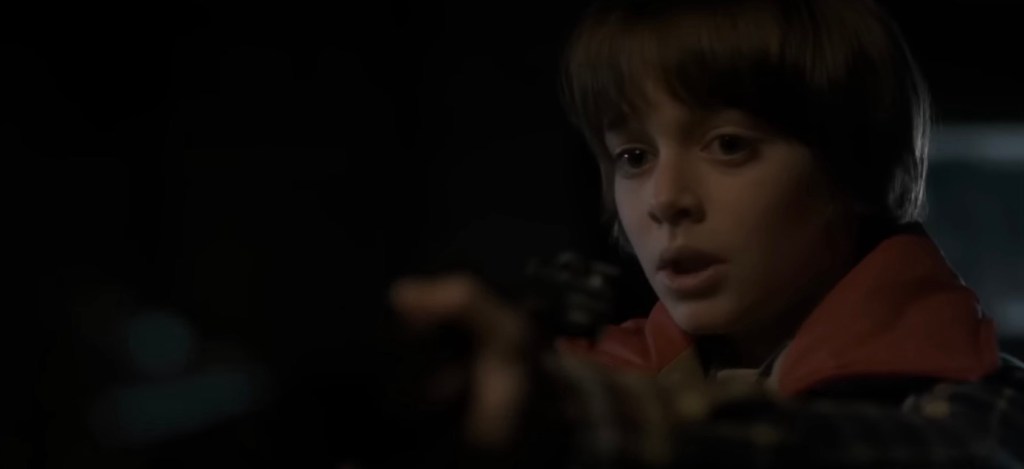
But nostalgia is easy. Everyone can mimic the ‘80s, but few can make it matter. The Duffers didn’t recreate the decade, they resurrected its spirit. They understood that the ‘80s weren’t just neon lights and VHS fuzz. They understood the fear, wonder, innocence under threat. The show captured the feeling of being a kid in a world too big and too strange to understand.
For older viewers, it was a return to a time when adventure felt possible. For younger viewers, it was discovery, the emotional texture of a past they’d only seen through their parents’ mixtapes. The show bridged generations by transforming nostalgia into empathy. Underneath the monsters and mayhem, Stranger Things was always about people. The supernatural was never the point; it was the mirror. Eleven’s psychic trauma, Will’s disappearance, Joyce’s frantic hope, Hopper’s redemption, each thread of the story spoke to something deeply human.
The Duffers understood that friendship under fire is the beating heart of any great fantasy. When the kids pedal through the rain with flashlights and fear, we aren’t watching horror. We’re watching childhood itself, brave, reckless, desperate to believe the world can be saved by loyalty.
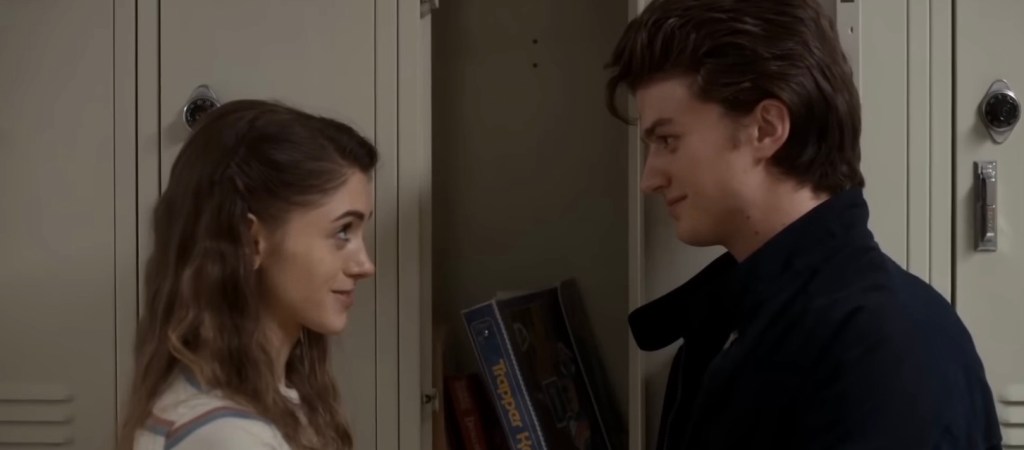
And that’s the secret of Stranger Things. It weaponized emotion. It gave every viewer a place in its story, the grieving parent, the lonely outcast, the angry teenager, the child who wanted to believe in something impossible. When Stranger Things arrived in 2016, Netflix was still a novelty. Binge-watching was a guilty pleasure, not a global ritual. Then came Hawkins, Indiana, and suddenly, Netflix wasn’t just a service. It was a stage.
The show exploded. Word of mouth turned into word of world. Suddenly, everyone, from teenagers to critics to grandparents, was talking about Demogorgons and Dungeons & Dragons. Memes went viral. Merchandise flooded shelves. Halloween became a Stranger Things convention. This was the moment Netflix proved streaming could rival broadcast television and beat it at its own game. Stranger Things became the Game of Thrones of the digital era, the one show everyone watched, discussed, and dissected together.
It was more than content. It was community.
No other show since Mad Men has shaped visual culture so profoundly. Stranger Things reignited an entire aesthetic movement: synthwave soundtracks, mall-core fashion, analogue horror, neon nostalgia. Kate Bush’s Running Up That Hill topped charts 37 years after release. The Cure, Joy Division, and Echo & the Bunnymen returned to playlists. Teenagers who weren’t alive in 1985 started dressing like extras from The Breakfast Club.
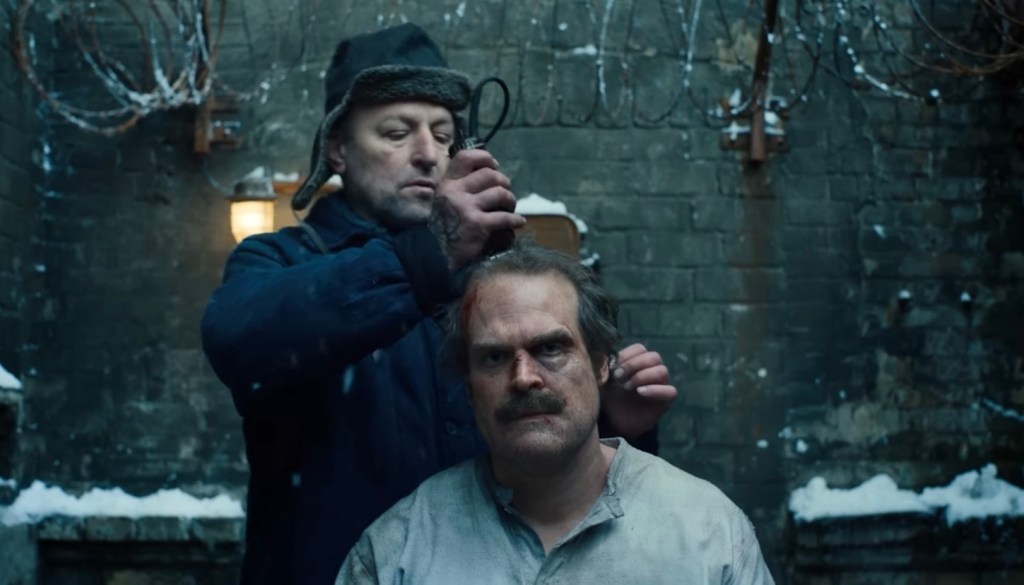
It wasn’t irony, it was affection. The series taught a new generation to love what their parents once did, and that intergenerational bridge is something few franchises ever achieve.
So why did Stranger Things succeed where so many nostalgia-driven projects failed? Why did it thrive while Ready Player One and Ghostbusters: Afterlife felt hollow by comparison? Because Stranger Things wasn’t about the past, it was about how the past feels. It understood that nostalgia isn’t aesthetic, it’s emotional. It’s the ache of growing up. The fear of losing childhood. The need to believe that friendship can still save the day, even when the monsters are real. Every frame drips with sincerity, and sincerity is the rarest commodity in modern entertainment. The Duffers didn’t wink at the audience. They believed in their story, and the world believed with them. That’s the difference between homage and heart.
By the time Season 4 rolled out, Stranger Things wasn’t a show, it was an ecosystem. Stage plays, novels, Funko Pops, video games, even a Stranger Things experience touring major cities. Hawkins became more than a town; it became a cultural address. Netflix’s most bankable property, the series transcended the binge model that birthed it. It inspired fan theories, reaction videos, TikTok trends, and an entire aesthetic lexicon. It turned “running up that hill” into shorthand for resilience, and Hellfire Club shirts into global fashion statements.
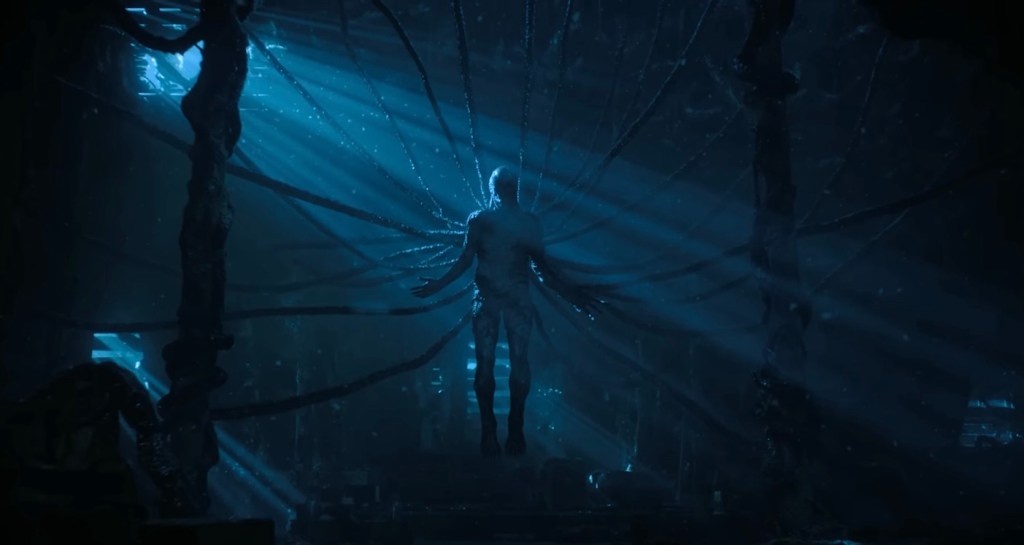
And for Netflix, it proved something existential, that streaming could produce not just hits, but legends. Stranger Things didn’t conquer the world through marketing or nostalgia. It conquered it through memory. It reminded us what stories were for, to make us feel seen, frightened, and hopeful all at once. It re-taught audiences how to care, how to gather around a single story in a fractured digital age.
It began as a love letter to the past, but in the end, Stranger Things became something rarer, a generational myth. A story about monsters, yes, but also about growing up, letting go, and finding light in the dark. And maybe that’s why it matters so much now. Because in a world that often feels like the Upside Down, chaotic, cruel, unrecognizable, Stranger Things dared to believe that friendship, courage, and love could still flip it back over.
It didn’t just remind us of who we were. It reminded us of who we could still be.
(All images and videos are owned by and courtesy of Youtube)

 The Screen Scribe
Leave a comment