
In this month’s recommendations, I alluded to the fact that romcoms were basically relics of the Hollywood cinemascape. After some consideration, I decided to unpack this a little more. Dive a little deeper into the details, the history, and the eventual decline of one of the greatest cinema staples, the romantic comedy. The romcom has its evolutionary roots in Ancient Greek comedy, medieval comedy and the vast array of romance and comedies from 1950s Hollywood. But it probably owes more to one particular man than any cultural or historical movement, and that man is William Shakespeare. Many modern romcoms have our good William to thank for the conceptual basis of their plots, such as 10 Things I hate About You, She’s The Man, Anyone But You, Romeo + Juliet (1996) and Warm Bodies.
He certainly had a way with words did dear William.
But it was the 1990s that really saw the golden age of cinematic romantic comedies emerge, beginning with the effervescent and eternally endearing When Harry Met Sally just before that in 1989. While romcoms had been present in Hollywood for decades, When Harry Met Sally rebooted the genre with modern sensibilities. It proved that a romantic comedy written with surgical precision, grounded in real conversations and exploring the nature of slow burn love and the natural evolution of friendship to something more, could succeed and become a cultural icon. It made love feel both inevitable and impossible. When Harry Met Sally didn’t invent the genre, but it certainly injected it with a much needed dose of adrenaline and audience demand. For the next two decades, romantic comedies became essential pop culture currency. They were essential viewing, box office darlings, starmakers, and endlessly quotable.
And for a while, the hits just kept coming.
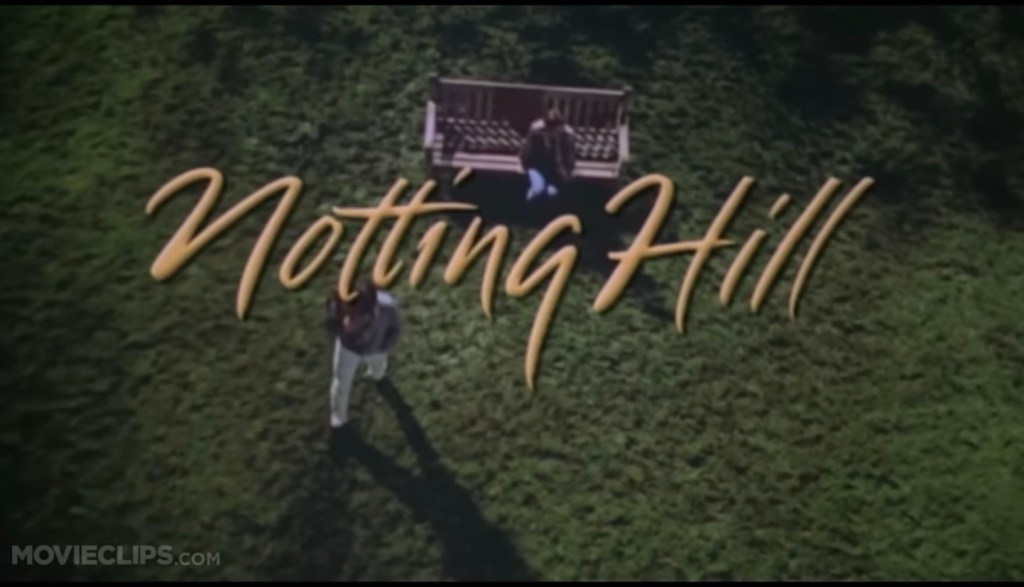
Pretty Woman. Groundhog Day. Sleepless in Seattle. Four Weddings and a Funeral. Jerry Maguire. Fools Rush In. There’s Something About Mary. The Wedding Singer. Notting Hill. The list is extensive, and they are all classics, endlessly rewatchable, infinitely quotable. They established some of the biggest stars of the era such as Julia Roberts, Hugh Grant and Cameron Diaz. These 90s hits established the romantic comedy in several different lanes: a gateway for aspiring leading actors and actresses, financial and critical hits that studios craved, proven credentials for directors and writers. Notting Hill in particular sticks as a cult favourite, giving the genre one of its most enduring fairy tales. It took the fantasy of love between a famous woman and an average man and made it disarmingly sincere, with Julia Roberts at the peak of her powers and Hugh Grant doing peak floppy-haired stammering. It was sweet, yes, but also melancholy. There was a sadness under the smiles, a sense that fame isolates, that love across worlds costs something. It worked not because it was perfect, but because it understood that vulnerability is the real romance. The beauty of a romcom done correctly is it allows the film and characters to explore deeper, meaningly themes alongside the romance, mirroring real life and not just portraying pure fantasy escapism.
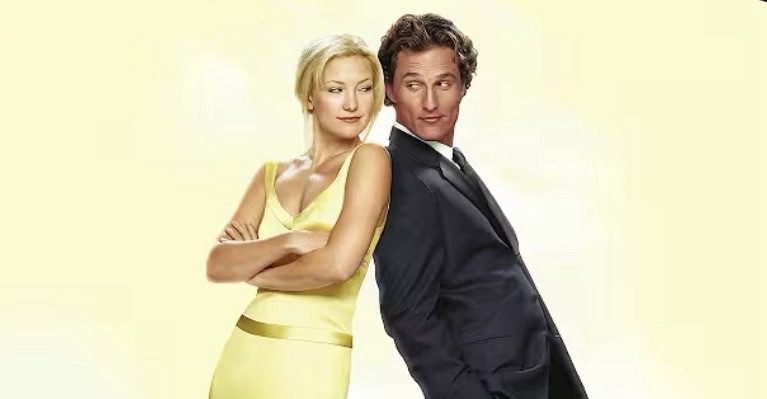
The hits continued into the 00s but with a touch less sincerity and a tad more screwball energy, such as the bonkers Shallow Hal, Legally Blonde, Sweet Home Alabama, The Wedding Planner, and the classic Bridget Jones’ Diary. And then came the big one, How to Lose a Guy in 10 Days, and we’re in the middle of the genre’s most indulgent (and financially successful) phase. Here, the romantic comedy leans hard into high-concept territory. Magazine bets, makeover montages, sabotage schemes, it’s frothy, flashy, and totally self-aware. But it works. Why? Because it’s carried by undeniable chemistry. Kate Hudson and Matthew McConaughey bounce off each other like champagne and dynamite. The premise may be outlandish, but the emotions are not.
And that’s the secret. Chemistry. If you look back at all the most successful romantic comedies and strip away the writing, the direction and the setting, and what is the essential ingredient that makes the others work? Chemistry. Without that, the lead actors are just reciting lines to one another. Chemistry is essential. I remember watching one a few years back, called Can You Keep a Secret, starring Tyler Hoechlin and Alexandra Daddario. Both fine actors, both attractive and likeable. But they had absolutely no chemistry. The narrative was middling, the dialogue often cringe inducing, but a charming and sincere pair of leads can carry that. They unfortunately did not. It is the most essential ingredient to the genre.
But the 2010s saw the eventual decline and abandonment of the romcom as the superhero genre took centre stage and studios began chasing big budget money makers and franchise IPs. Streaming services like Netflix and Amazon Prime grew and established themselves, and this is where the once lauded genre of Hollywood found itself languishing in obscurity for nigh on a decade. There were the occasional hits, like La La Land and Set It Up, but the genre had seemingly died away, not with a bang but with an overnight assassination. So what happened you might ask my dear reader? In short, Hollywood underwent a strict regimented diet of risk aversion therapy. Unfortunately, romcoms don’t sell toys, they don’t build cinematic universes, they don’t generate billion dollar single film juggernauts. And they don’t easily translate to global markets the way action spectacles or legacy IP do. Hollywood didn’t fall out of love with love. It just fell in love with franchises and the cash that came with them. But here’s the thing, the demand never vanished. Audiences didn’t moved on. They were just waiting, because after all, everyone loves a good romance story.
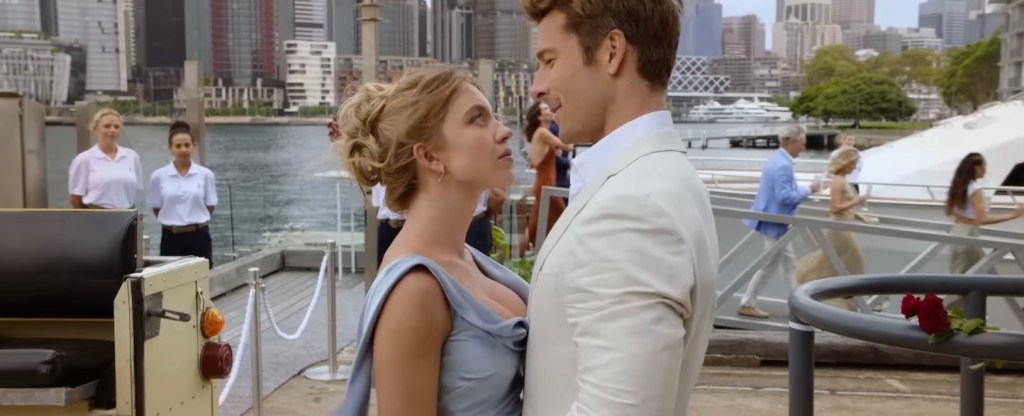
Fast forward to 2023 and the first sparks of revival. No Hard Feelings and Anyone But You led by Jennifer Lawrence and Sydney Sweeney, respectively, became critical and financial hits just when superhero fatigue had reached its apex. It was proof that the appetite is still there. That small, mid-budget films still had a place in the cinematic spectrum. But for a romcom comeback to stick, studios need to stop treating it like a guilty pleasure and start treating it like what it actually is: one of cinema’s most enduring, adaptable, and emotionally honest genres. A good romantic comedy doesn’t just sell tickets. It sticks. It becomes a comfort film, a shared language, a cultural touchstone. People don’t quote Ant-Man and the Wasp over dinner. They quote Notting Hill, Bridget Jones and How to Lose a Guy in 10 Days.
Romcoms will come back. They have to. Maybe not in multiplexes right away, but they’ll seep in through smart indie dramas, charming Netflix originals, or left-field sleeper hits that remind people what it feels like to see something true and tender on screen. The world hasn’t gotten any less chaotic. If anything, the need for stories about connection, vulnerability, and ridiculous, sincere love has only grown in the wake of the morally ambiguous and nihilistic late 2010s. So maybe the genre isn’t dead. Maybe it’s just waiting for its perfect third act, and when it comes, it probably won’t be loud. It’ll be quiet. Earnest. Maybe it’ll start in a bookshop. Or a diner. And this time, we’ll know to pay attention.
(All images and videos are owned by and courtesy of Youtube)

 The Screen Scribe
Leave a comment