There was a time when Zack Snyder stood poised to reshape the superhero genre forever. In 2013, Man of Steel launched DC’s cinematic universe with operatic ambition. Snyder envisioned a mythic, heavy, almost biblical tapestry of gods among men, telling stories of power, guilt, and existential alienation. Yet a decade later, the DCEU lies in ruins, rebooted under James Gunn after years of tonal whiplash, studio interference, and cultural division. So what went wrong? Was it simply Snyder’s relentless seriousness in an era of colourful Marvel quips, or was his vision always destined to alienate mainstream audiences?
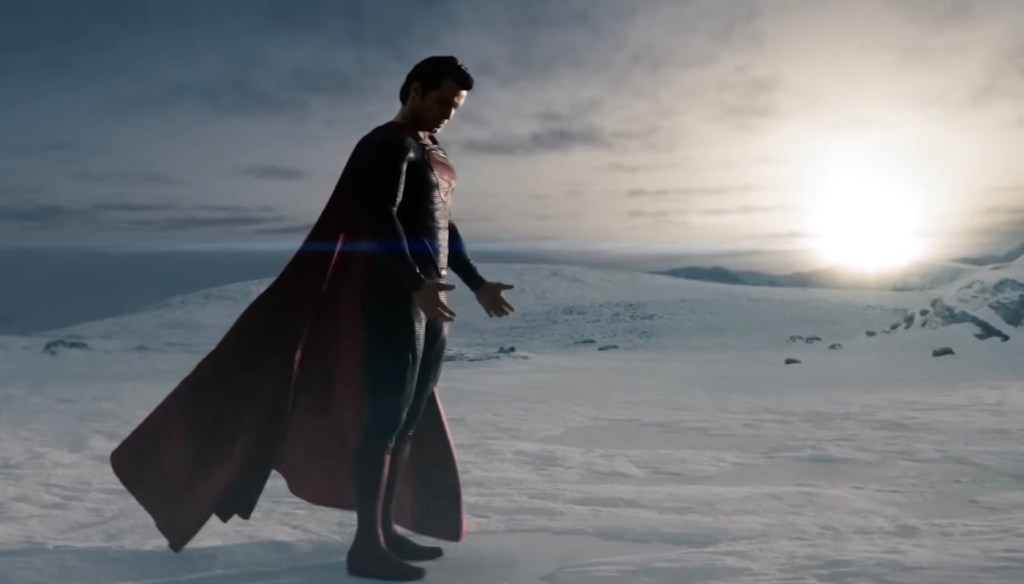
The first point is undeniable. Snyder’s approach to DC was radically different from Marvel’s. Where the MCU built itself on bright banter, human relatability, and narrative accessibility, Snyder crafted the DCEU with Wagnerian bombast. Man of Steel asked audiences to consider Superman as a Christ figure navigating moral paradoxes rather than a sunny Kansas farm boy saving kittens. Batman v Superman doubled down, showing two broken men torn apart by trauma, vengeance, and their own flawed philosophies, culminating in operatic violence and a bleak climax. There were no shawarma jokes, no comedic supporting characters to lighten the mood. For Snyder, these heroes were gods burdened by humanity, not humans granted godhood.
This seriousness was both his greatest strength and his fatal flaw. On one hand, it allowed moments of genuine power. The opening of Batman v Superman, showing Bruce Wayne racing through the dust and terror of Metropolis as Superman battles Zod, remains one of the most grounded and viscerally emotional superhero sequences ever filmed. Snyder treated his characters with mythic reverence, offering fans something closer to Greek tragedy than Saturday morning cartoon. For die-hard comic readers who see Batman and Superman as modern epics, it was thrilling.
But herein lies the problem. Cinema in the 2010s was dominated by Marvel’s brand of comedic action-adventure. Audiences had been conditioned to expect witty heroes, fast pacing, and moral clarity. Snyder gave them none of that. His Superman brooded in isolation, his Batman branded criminals and drank bourbon at dawn, while Wonder Woman’s debut was overshadowed by grimness. This tonal dissonance alienated casual viewers who came seeking escapist heroics rather than moral ambiguity and philosophical treatises on power.
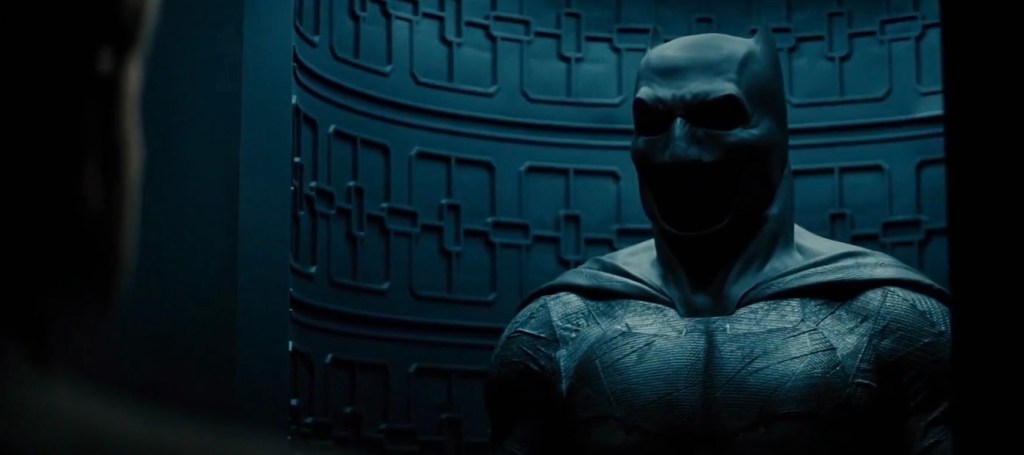
Timing was everything. If Snyder’s DCEU had emerged after a decade of Marvel fatigue, perhaps it would have been embraced as a bold counterpoint. But releasing Batman v Superman in 2016, sandwiched between Civil War and Doctor Strange, made it feel ponderous and outdated. Marvel was offering light-footed complexity while Snyder was offering relentless darkness without narrative levity.
Studio interference compounded the problem. Warner Bros panicked after critical backlash to Batman v Superman, slashing Justice League into a quip-filled Frankenstein under Joss Whedon’s reshoots. The tonal whiplash was jarring. Fans wanted Snyder’s mythic finale but got a bland pastiche that pleased no one. Suicide Squad suffered similarly, re-edited into a colourful mess after trailers emphasised the wrong tone. Instead of standing by a singular vision, the studio tried to please everyone and satisfied no one.
Then came the Snyder Cut. Released in 2021 after an unprecedented fan campaign, Zack Snyder’s Justice League was hailed as vindication by his loyal base. It restored his intended four-hour narrative, giving Cyborg depth, Steppenwolf menace, and Superman dignity. For a moment, it felt like the DCEU’s salvation, a glimpse of what could have been if Snyder had been allowed to complete his vision without interference. But while the Snyder Cut proved his artistic consistency, it also underlined why the DCEU struggled. Even at its best, Snyder’s universe remained relentlessly grim, narratively dense, and lacking the broad accessibility studios crave. The Snyder Cut was celebrated by fans, but it did not expand the franchise’s appeal. It became a monument to what Snyder’s DC could have been – a mythic saga beloved by a devoted minority but unlikely to capture mainstream hearts in a genre dominated by lighter, breezier fare.
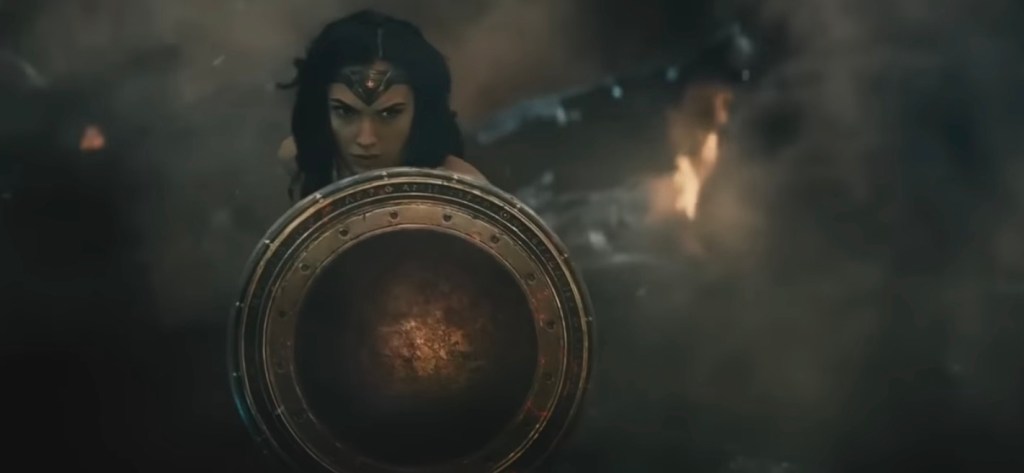
Yet it would be unfair to blame tone and timing alone. Snyder’s vision had flaws beyond its seriousness. His writing often leaned into melodrama without emotional payoff. Character motivations were occasionally undercooked, relying on visual grandeur rather than narrative clarity. Batman v Superman is a film where Lex Luthor’s motivations remain opaque despite endless monologues, and where Superman himself feels more like an icon than a living man. Snyder’s fetishistic approach to violence and destruction, while thematically consistent, also alienated audiences seeking heroism without collateral slaughter.
Finally, Snyder’s adaptation philosophy clashed with casual expectations. He treated DC heroes not as aspirational figures but as metaphors for moral failure, power corruption, and divine isolation. For comic readers familiar with deconstructionist works like Kingdom Come, Injustice: Gods Among Us, or The Dark Knight Returns, this was thrilling territory. For general viewers who saw Superman as hope and Batman as a gritty protector, it was unsettling. Snyder was making films for a niche within a niche, but blockbusters demand universal appeal.
In the end, the failure of the DCEU under Snyder was not because it was serious. Serious superhero stories can succeed when built with narrative clarity and human relatability, as seen in The Dark Knight, The Batman, Constantine, or Logan. It failed because it was serious without balance, released at a time when audiences craved lightness, and undermined by a studio that lost faith in its own product.

Perhaps, years from now, Snyder’s DCEU will be viewed with kinder eyes, as a brave, flawed, mythic experiment in a genre that too often favours formula over vision. But in its own time, it was a tragedy of ambition meeting commercial reality, a Greek epic about gods who fell, not because they were bad, but because the world did not know what to do with them.
(All images and videos are owned by and courtesy of Youtube)


 The Screen Scribe
Leave a reply to Side Notes: The Death of the Witcher – The Screen Scribe Cancel reply