
There are certain cultural milestones that are impossible to ignore, and for anime, one of the biggest arrived with Dragon Ball Z. For many Western fans, myself included, it was the gateway. The moment anime stopped being some niche import and became something kids across the globe rushed home after school to watch. And while Dragon Ball Z may not have been the very first anime to cross borders, its influence on how anime was consumed and understood outside Japan cannot be overstated.

Anime’s presence in the West before Dragon Ball Z was fragmented. Shows like Astro Boy, Speed Racer, and Voltron had their followings, but they often felt like oddities tucked away in the corners of television. They were dubbed with little fanfare, stripped of much of their Japanese identity, and presented as if they were just another Saturday morning cartoon. What Dragon Ball Z achieved in the late 90s and early 2000s was different. It was unapologetically Japanese, full of sprawling arcs, long-form storytelling, and character depth that contrasted sharply with the self-contained, episodic cartoons dominating Western airwaves.
At the heart of this was its sense of scale. Battles weren’t over in a single episode. They built up across weeks, sometimes months, dragging out in ways that frustrated and thrilled audiences in equal measure. For kids raised on Scooby-Doo mysteries neatly solved in twenty minutes, or superheroes resetting their adventures every Saturday, Dragon Ball Z felt monumental. These characters changed, grew stronger, and carried the scars of their past battles into the next. There was a genuine sense of continuity that hooked audiences.
Accessibility played a huge role too. The rise of Cartoon Network’s Toonami block gave anime a dedicated platform, and Dragon Ball Z was its crown jewel. Airing after school in an accessible time slot, it reached kids who otherwise would never have encountered Japanese animation. The dubbed versions, for all their imperfections, gave characters voices that became iconic in their own right. Vegeta, my favourite character, became a cult figure for many fans with his relentless drive, stubborn pride, and gradual transformation into a surprisingly complex anti-hero.
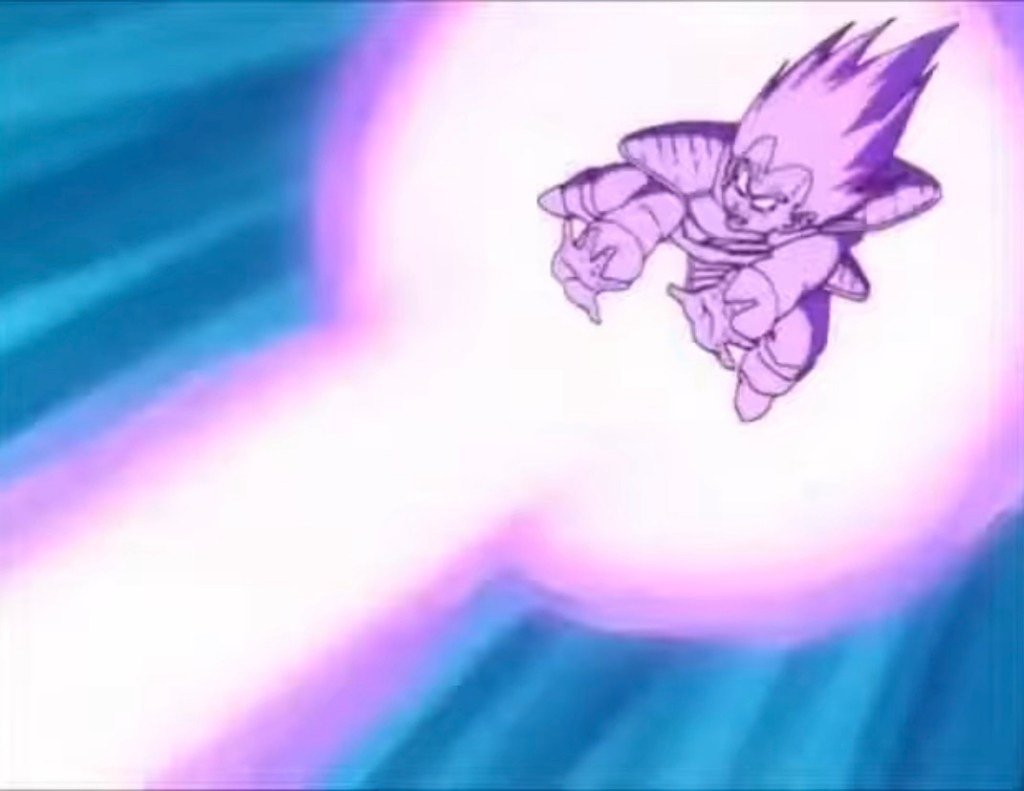
The success of Dragon Ball Z did more than just cement the franchise itself. It opened the door for other anime. Sailor Moon, Yu Yu Hakusho, Pokémon, and later Naruto all found international audiences thanks to the trail blazed by Goku and company. Suddenly, anime wasn’t an oddity. It was a movement. Kids were talking about power levels at lunch, sketching characters in the margins of their notebooks, and imitating the Kamehameha in playgrounds.
This explosion dovetailed with the growing accessibility of the internet. Fan communities began to form in chat rooms and early forums, swapping VHS tapes of subbed episodes not yet released in the West. The dedication was staggering. Anime was no longer just something you stumbled upon by chance. It was something you sought out, hunted down, and shared with others. Dragon Ball Z was the match that lit that fire for countless fans, myself among them.
Looking back, it is easy to take for granted how global anime is today. Streaming platforms pump out simulcasts within hours of Japanese broadcasts. Merchandise fills store shelves, and conventions celebrate the medium with mainstream attention. But without that early wave, without shows like Dragon Ball Z proving there was a hungry audience outside Japan, it is difficult to imagine anime being the cultural juggernaut it is now.
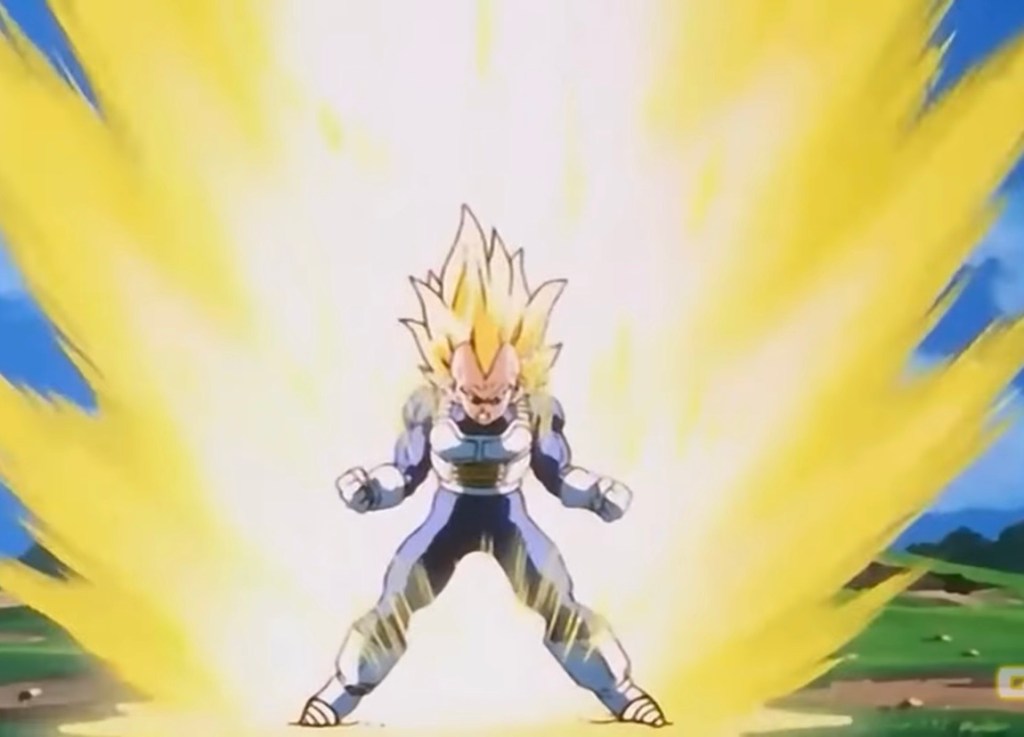
In many ways, Dragon Ball Z is more than a nostalgic favourite. It is a cultural ambassador that bridged continents and redefined what animation could be in the West. Its legacy is not just in its endless battles or over the top transformations. It lies in the generations of fans it created, the communities it inspired, and the doors it opened for everything that followed.
(All images and videos are owned by and courtesy of Youtube)



 The Screen Scribe
Leave a reply to Jason Cancel reply