It is hard to overstate what Stranger Things meant when it arrived in 2016. It was not just a hit show. It was a cultural moment. A lightning strike of nostalgia, mystery, and character-driven storytelling that reminded audiences how powerful television could be when it trusted atmosphere and patience. Created by the Duffer Brothers, Stranger Things captured the spirit of 1980s cinema and filtered it through something fresh, frightening, and emotionally sincere. For nearly a decade, the Upside Down has held us in its grip. Now, at last, the story is over.
Season 5 had an impossible task. It had to follow the towering highs of Season 4, a season that delivered genuine horror, devastating character loss, and emotional moments that landed like body blows. I have no shame in admitting I wept during Eddie and Max’s climactic scenes. This final chapter did not just need to end the story, it needed to earn its place alongside those powerful moments, and while it does stick the landing, it does so cautiously. Perhaps too cautiously.
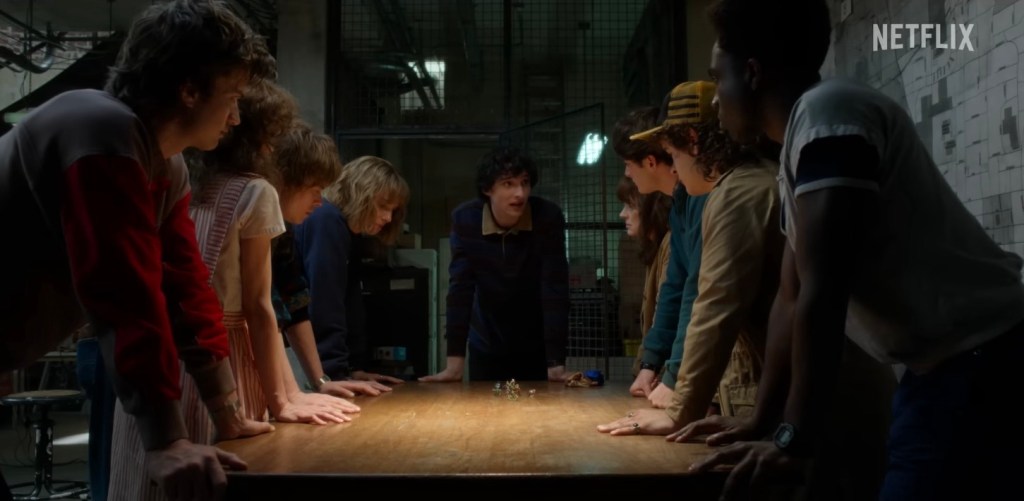
The final season is structured across multiple volumes, each with a distinct purpose. Volume 1 is, without question, the strongest. It does exactly what an opening act should do. It re-establishes the threat, reminds us of the stakes, and allows the consequences of Season 4 to breathe. There is tension here. There is dread. There is emotion. The Upside Down feels dangerous again. The show remembers that horror works best when it is felt, not explained.
As the season progresses, however, momentum begins to slip. Volume 2 is where the cracks start to show. What should have been a steady escalation instead slows to a crawl (see what I did there? Yeah you did). Exposition dominates. Characters talk about plans rather than execute them. The pacing drops from a sprint to a jog, and the sense of impending catastrophe dulls rather than sharpens. Weeks later, I still struggle to justify the inclusion of Linda Hamilton’s character and the expanded role of the military. Neither meaningfully advances the story. Both feel like padding, contrived obstacles introduced to fill time rather than deepen the narrative beyond Eleven’s divisive ending.
Then comes Volume 3 and the final episode. At two hours of runtime, and nearly an entire hour devoted to epilogue, it felt rushed, hollow, and very much like it was missing an hour of tape left on the editing room floor. This is where the disappointment truly sets in. After a decade of existential horror, interdimensional mystery, and creeping dread, the resolution feels oddly restrained. Underwhelming. Anti-climactic. The show wraps its threads neatly. Vecna, the Mind Flayer, the nature of the Upside Down, Eleven’s fate. It all connects. It all makes sense. It all clicks into place. But it never truly shocks. It feels more like a mandatory connecting of the dots. It never dares to go as dark or as strange as the mythology promised. It’s decidedly less dark than season four.
This sense of safety permeates the season. It feels as though the Duffer Brothers were terrified of upsetting the fanbase. That fear is understandable, but it is also limiting. Great finales take risks. This one plays to expectation. The Steve fake-out is the clearest example. Not funny, lads. Not funny at all. Emotional manipulation only works when it is earned, not when it winks at the audience.
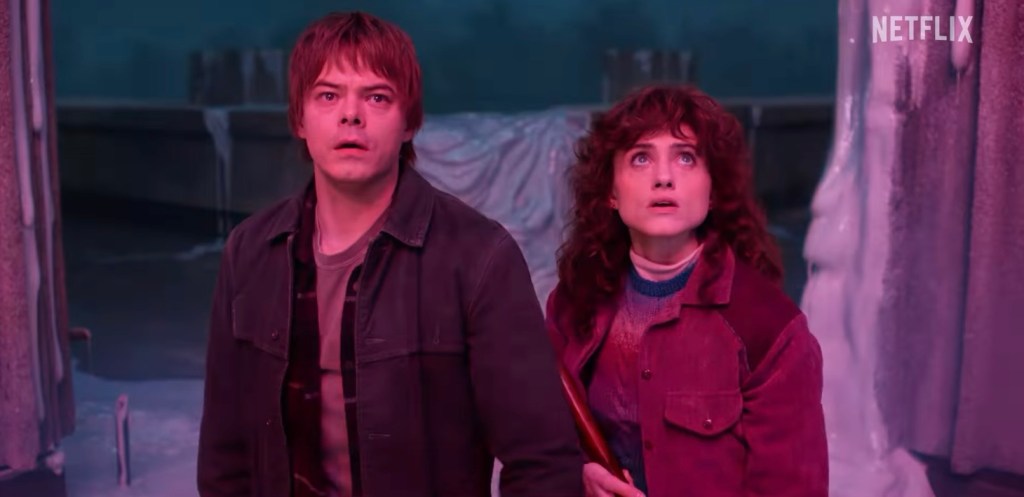
And yet, despite these frustrations, it is impossible to dismiss what the show achieves. The performances remain excellent across the board. The core cast still feels like family. The production design and music are impeccable. The show never forgets its roots, even when it hesitates to transcend them. There is genuine warmth in the final moments, even if they linger too long.
The truth is that Stranger Things did not fail. It simply chose comfort over audacity. It chose closure over confrontation. And while that choice leaves something on the table, it does not erase what came before. This was never going to be another Game of Thrones style implosion. Thankfully, it avoids that fate entirely.
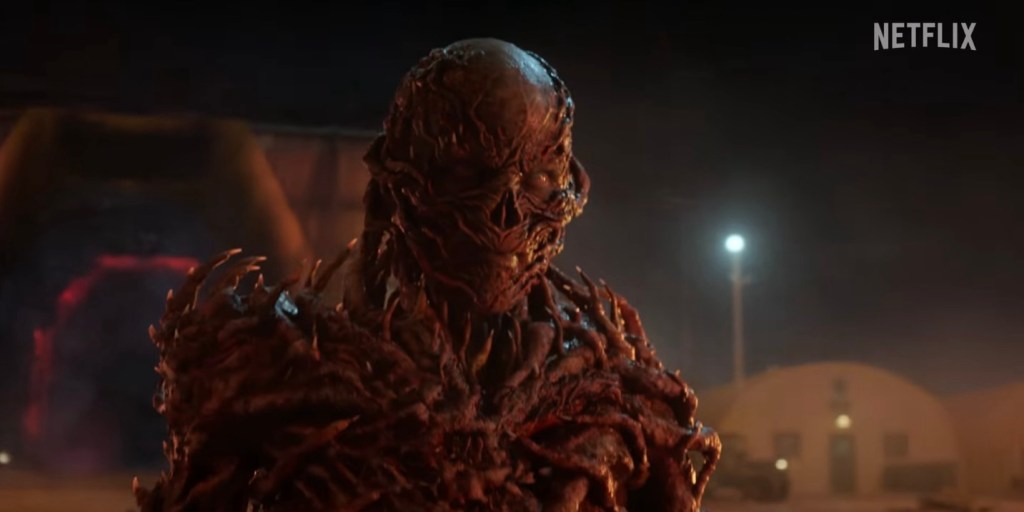
Season 5 is not the show’s strongest chapter, nor is it the definitive finale many hoped for. But it is thoughtful, sincere, and respectful of its characters. Stranger Things ends not with a roar, but with a sigh. A safe one, perhaps, but an honest one. A satisfying but cautious farewell. Stranger Things remains a generational television icon, even if its final chapter lacked the daring its legacy deserved.
3 / 5 ✨ from the Screen Scribe.
(All images and videos are owned by and courtesy of Youtube and Netflix)



 The Screen Scribe
Leave a reply to Jonathan Ryan Cancel reply